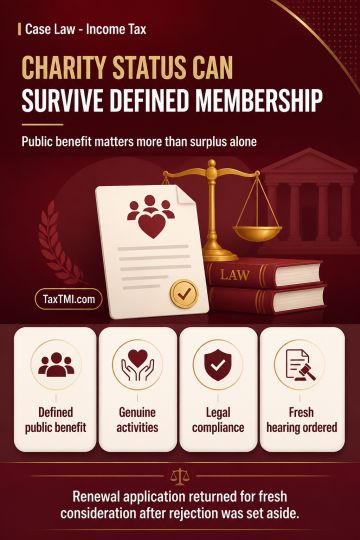
Defined public benefit can retain charitable character; registration renewal requires examining genuine activities and legal compliance, not surplus a...
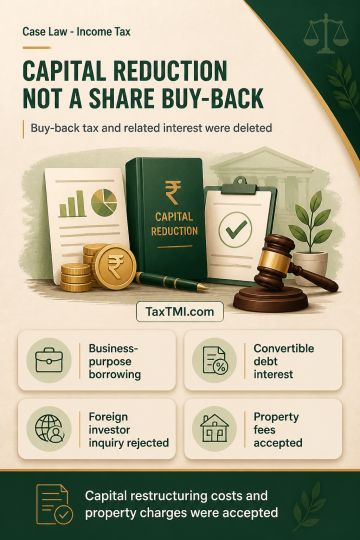
Capital reduction is distinct from share buy-back, preventing buy-back tax; restructuring interest and related business deductions also survive scruti...
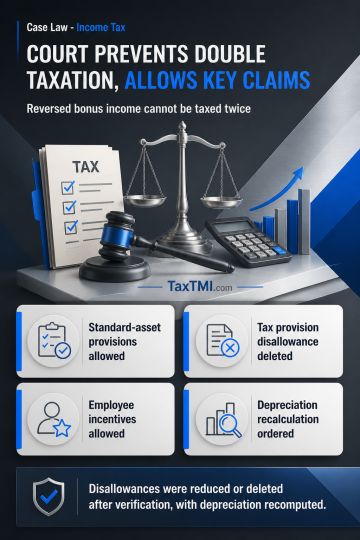
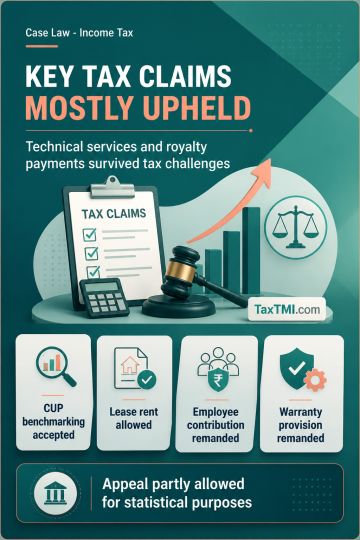
Transfer pricing and tax deductions upheld on established principles, while employee contributions and warranty provisions returned for fresh examinat...
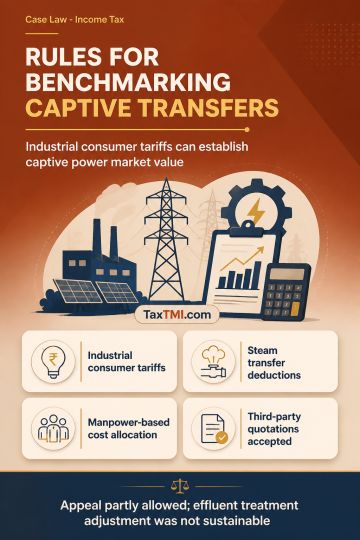
Captive transfer pricing relies on industrial consumer tariffs, while genuine quotations can benchmark effluent treatment transfers under the Other Me...
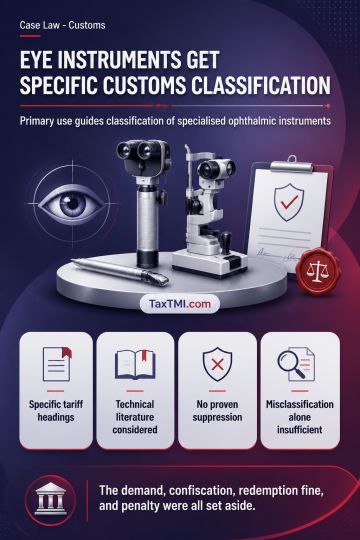
Specific tariff classification for ophthalmic instruments and extended limitation principles determine the treatment of duty demands, confiscation, an...
The Customs, Excise and Service Tax Appellate Tribunal (CESTAT) allowed the appeal and set aside the impugned order revoking the customs broker's license, forfeiting the security deposit, and imposing penalty. The Tribunal held that the alleged breaches of regulations 10(d), 10(e), 10(f), and 10(n) of the Customs Brokers Licensing Regulations, 2018, were not established. The allegations pertained to the export of overvalued goods to claim ineligible drawback, supported by fake bills from purported buyers instead of actual suppliers. However, the Tribunal ruled that the customs broker's actions before filing the shipping bill did not fall within the purview of the licensed activities. Additionally, there was no evidence of providing incorrect information leading to the exporter's breach or failure to verify the client's credentials as alleged.
The Customs, Excise and Service Tax Appellate Tribunal (CESTAT) allowed the appeal and set aside the impugned order revoking the customs broker's license, forfeiting the security deposit, and imposing penalty. The Tribunal held that the alleged breaches of regulations 10(d), 10(e), 10(f), and 10(n) of the Customs Brokers Licensing Regulations, 2018, were not established. The allegations pertained to the export of overvalued goods to claim ineligible drawback, supported by fake bills from purported buyers instead of actual suppliers. However, the Tribunal ruled that the customs broker's actions before filing the shipping bill did not fall within the purview of the licensed activities. Additionally, there was no evidence of providing incorrect information leading to the exporter's breach or failure to verify the client's credentials as alleged.
Note: It is a system-generated summary and is for quick reference only.
 TaxTMI
 of 4805



 Join Channel


 TaxTMI