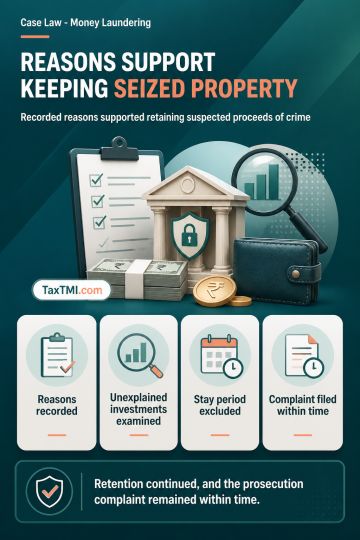
Retention of seized property survives where recorded reasons support proceeds of crime, while stayed investigation periods are excluded from limitatio...
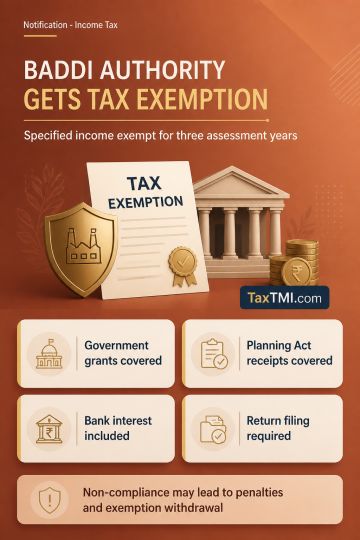
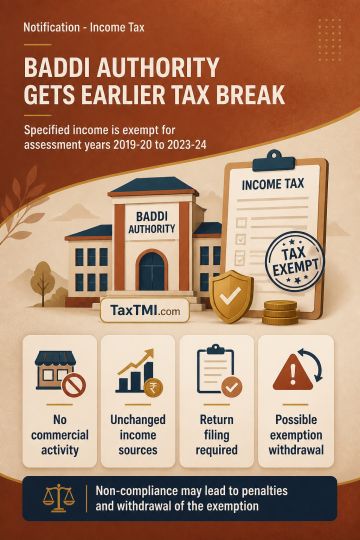
Specified income of Baddi Barotiwala Nalagarh Development Authority receives conditional tax exemption, retrospectively covering its designated assess...
Specified development authority income receives retrospective tax exemption, subject to non-commercial activity, unchanged income sources, and return-...
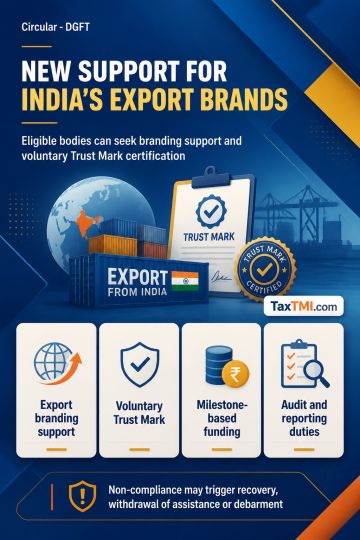
Unified Brand India framework introduces voluntary Trust Mark certification and funding support for export branding, packaging and global promotional ...
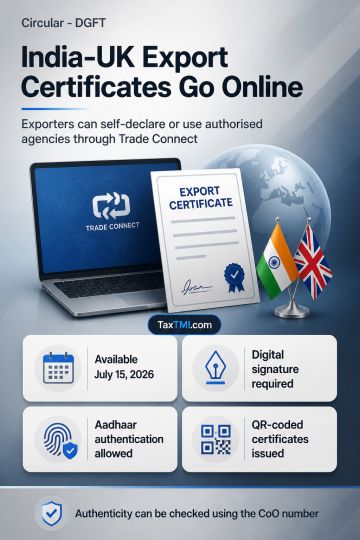
Origin Declaration authentication governs preferential tariff claims under India-UK CETA, requiring a validated reference number before import clearan...
Separate assessment orders for different years remain valid when distinct notices and hearing opportunities prevent prejudice from combined proceeding...
The Customs, Excise and Service Tax Appellate Tribunal (CESTAT) allowed the appeal and set aside the impugned order revoking the customs broker's license, forfeiting the security deposit, and imposing penalty. The Tribunal held that the alleged breaches of regulations 10(d), 10(e), 10(f), and 10(n) of the Customs Brokers Licensing Regulations, 2018, were not established. The allegations pertained to the export of overvalued goods to claim ineligible drawback, supported by fake bills from purported buyers instead of actual suppliers. However, the Tribunal ruled that the customs broker's actions before filing the shipping bill did not fall within the purview of the licensed activities. Additionally, there was no evidence of providing incorrect information leading to the exporter's breach or failure to verify the client's credentials as alleged.
The Customs, Excise and Service Tax Appellate Tribunal (CESTAT) allowed the appeal and set aside the impugned order revoking the customs broker's license, forfeiting the security deposit, and imposing penalty. The Tribunal held that the alleged breaches of regulations 10(d), 10(e), 10(f), and 10(n) of the Customs Brokers Licensing Regulations, 2018, were not established. The allegations pertained to the export of overvalued goods to claim ineligible drawback, supported by fake bills from purported buyers instead of actual suppliers. However, the Tribunal ruled that the customs broker's actions before filing the shipping bill did not fall within the purview of the licensed activities. Additionally, there was no evidence of providing incorrect information leading to the exporter's breach or failure to verify the client's credentials as alleged.
Note: It is a system-generated summary and is for quick reference only.
 TaxTMI
 of 4805










 Join Channel


 TaxTMI
