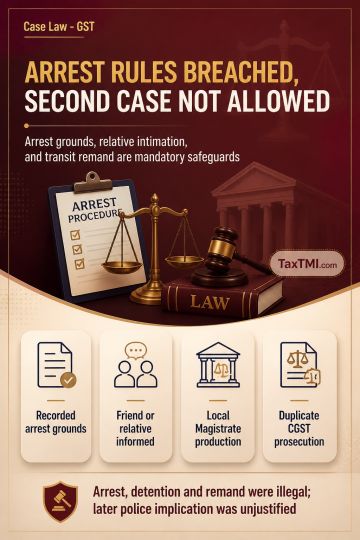
Arrest safeguards require disclosed grounds, relative intimation and transit remand, while duplicate prosecution under the CGST framework is unsustain...
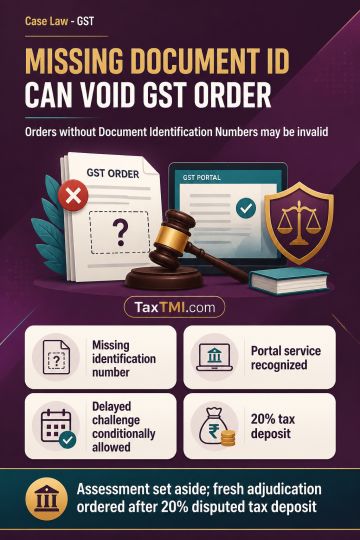
Document Identification Number defects can invalidate GST assessments, with delayed challenges entertained conditionally where patent irregularities e...
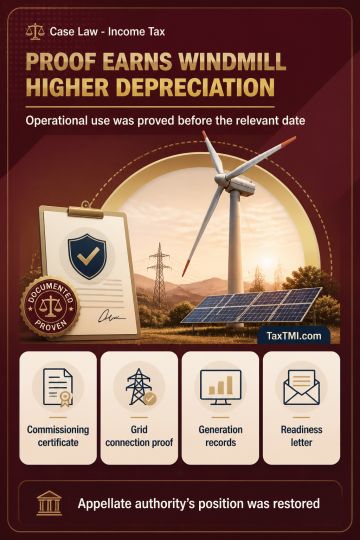
Windmill commissioning evidence supported higher depreciation where grid connection and electricity generation proved operational use before the relev...
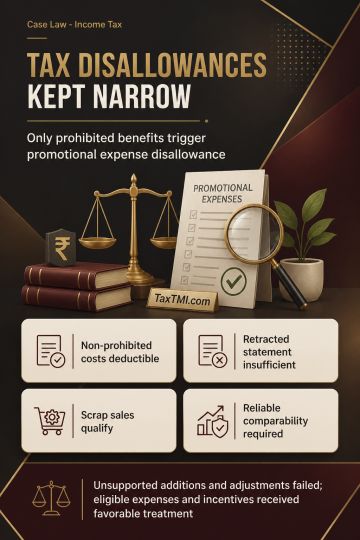
Pharmaceutical promotion and transfer-pricing comparability principles limited disallowances, while uncorroborated search allegations and unsupported ...
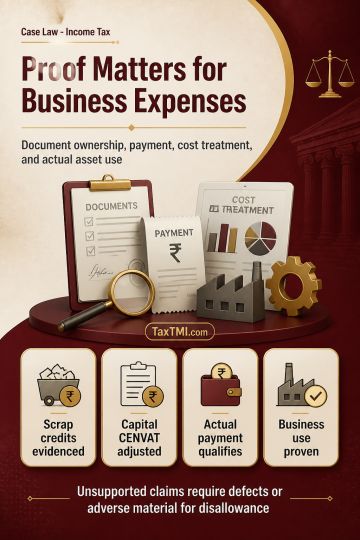
Business expenditure substantiation supports scrap credits, statutory payments and expense claims, while depreciation requires proof of actual busines...
The Customs, Excise and Service Tax Appellate Tribunal (CESTAT) allowed the appeals by remanding the matter back to the original authority. The Tribunal held that the assessing officer's insistence on the importer conforming to the classification proposed by the investigating agency was inappropriate and contrary to the self-assessment procedure u/ss 17, 36, and 48 of the Customs Act, 1962. The Tribunal observed that enforced conformity was evident from the immediate challenge to the assessment by the importer. The Tribunal found the lack of a 'speaking order' as required u/s 17(5) of the Act vitiated the impugned orders with illegality. Consequently, the Tribunal set aside the orders and remanded the bills of entry to the original authority for compliance with the statutory procedure, particularly Section 17(5).
The Customs, Excise and Service Tax Appellate Tribunal (CESTAT) allowed the appeals by remanding the matter back to the original authority. The Tribunal held that the assessing officer's insistence on the importer conforming to the classification proposed by the investigating agency was inappropriate and contrary to the self-assessment procedure u/ss 17, 36, and 48 of the Customs Act, 1962. The Tribunal observed that enforced conformity was evident from the immediate challenge to the assessment by the importer. The Tribunal found the lack of a 'speaking order' as required u/s 17(5) of the Act vitiated the impugned orders with illegality. Consequently, the Tribunal set aside the orders and remanded the bills of entry to the original authority for compliance with the statutory procedure, particularly Section 17(5).
Note: It is a system-generated summary and is for quick reference only.
 TaxTMI
 of 4805






 Join Channel


 TaxTMI