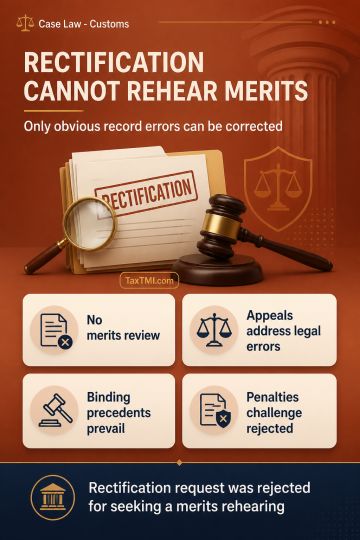
Rectification of mistake remains limited to self-evident record errors, preventing merits review through miscellaneous applications and preserving fin...
Tender creditworthiness conditions may extend to de facto Promoter Directors, with post-participation challenges generally barred absent arbitrariness...
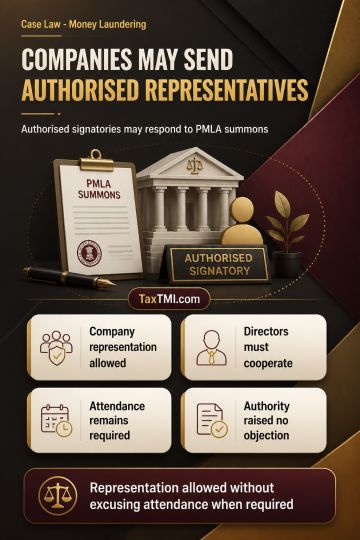
Corporate representation in PMLA summons proceedings permitted through an authorised signatory, subject to directors' continuing cooperation and atten...
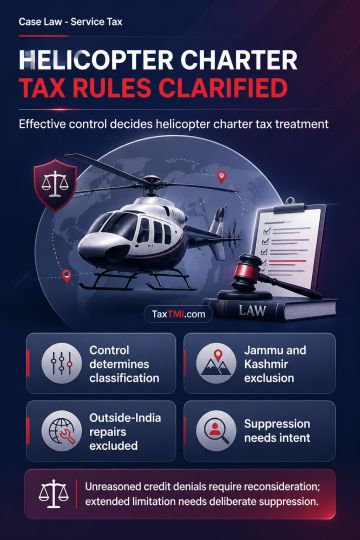
Helicopter charter classification requires effective control analysis, while territorial performance, reasoned credit orders and wilful suppression de...
Specified fund definition expands PAN exemption eligibility for registered alternative investment funds and qualifying International Financial Service...
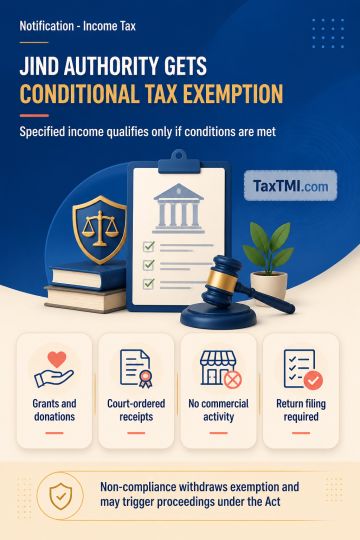
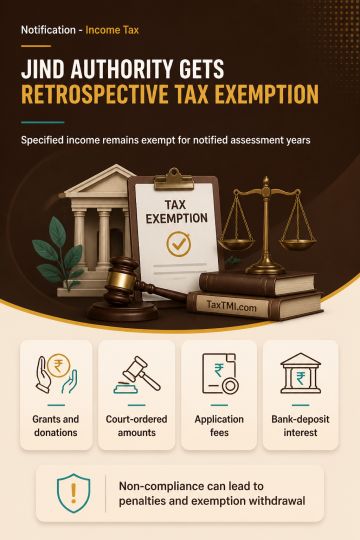
Tax exemption for specified legal-services authority income applies retrospectively, subject to non-commercial activity, unchanged income sources, and...
The High Court dismissed the writ petition challenging the show cause notice issued for wrongful availment of input tax credit by the petitioners. The Court held that the show cause notice u/s 74 of the CGST/WBGST Acts is merely initiation of adjudication and does not warrant judicial interference unless issued wholly without jurisdiction or ex-facie perverse. Relying on Supreme Court's decision in Mohd. Ghulam Ghouse case, the Court ruled that writ jurisdiction can be invoked only when the notice lacks jurisdiction, and interim relief cannot be granted bypassing the statutory adjudication mechanism. The Court found no jurisdictional error or procedural impropriety in issuing the notice and emphasized that procedural grievances can be effectively addressed during adjudication u/s 74(9). The statutory framework provides sufficient opportunity for taxpayers to raise defenses, and premature judicial intervention is impermissible.
The High Court dismissed the writ petition challenging the show cause notice issued for wrongful availment of input tax credit by the petitioners. The Court held that the show cause notice u/s 74 of the CGST/WBGST Acts is merely initiation of adjudication and does not warrant judicial interference unless issued wholly without jurisdiction or ex-facie perverse. Relying on Supreme Court's decision in Mohd. Ghulam Ghouse case, the Court ruled that writ jurisdiction can be invoked only when the notice lacks jurisdiction, and interim relief cannot be granted bypassing the statutory adjudication mechanism. The Court found no jurisdictional error or procedural impropriety in issuing the notice and emphasized that procedural grievances can be effectively addressed during adjudication u/s 74(9). The statutory framework provides sufficient opportunity for taxpayers to raise defenses, and premature judicial intervention is impermissible.
Note: It is a system-generated summary and is for quick reference only.
 TaxTMI
 of 4805









 Join Channel


 TaxTMI