CENVAT credit for trading requires reversal, while taxable-service rental credit remains proportionately available and limitation issues await resolut...
Vicarious liability for dishonoured company cheques may extend to non-signatory directors where complaints contain foundational responsibility avermen...
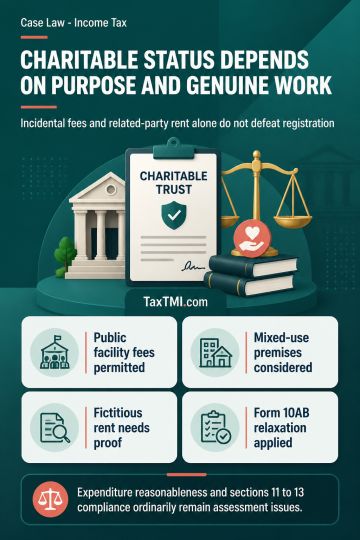
Charitable registration turns on predominant purpose and genuine activities, while incidental fees and related-party rent require supporting adverse m...
MAT book-profit adjustments exclude disallowances for exempt-income expenditure and demerger expenditure unless expressly listed under the statutory c...
Page of 4809
Press 'Enter' after typing page number.
421 to 440 of 96174 Results
❮
❯
❯❯
0 / 200
Expand Note
Add to Folder
No Folders have been created
+
Are you sure you want to delete "My most important" ?
The assessing officer (AO) is empowered u/s 275(1A) to revise the penalty order by giving a reasonable opportunity of hearing to the assessee within six months from the receipt of an appellate or revision order modifying the assessment. In the event the order passed by the Tribunal is modified by the High Court, the AO is required to give effect to the High Court's judgment by invoking Section 275(1A) and revise the penalty order accordingly. The CIT(A) correctly followed the Coordinate Bench decision and deleted the proportionate penalty levied by the AO to the extent of additions not confirmed by the Appellate Tribunal. The Revenue failed to demonstrate any stay order issued by the High Court against the Tribunal's order. Hence, the CIT(A)'s order confirming the penalty to the extent of additions confirmed by the Appellate Tribunal is upheld, and the Revenue's ground is dismissed.
The assessing officer (AO) is empowered u/s 275(1A) to revise the penalty order by giving a reasonable opportunity of hearing to the assessee within six months from the receipt of an appellate or revision order modifying the assessment. In the event the order passed by the Tribunal is modified by the High Court, the AO is required to give effect to the High Court's judgment by invoking Section 275(1A) and revise the penalty order accordingly. The CIT(A) correctly followed the Coordinate Bench decision and deleted the proportionate penalty levied by the AO to the extent of additions not confirmed by the Appellate Tribunal. The Revenue failed to demonstrate any stay order issued by the High Court against the Tribunal's order. Hence, the CIT(A)'s order confirming the penalty to the extent of additions confirmed by the Appellate Tribunal is upheld, and the Revenue's ground is dismissed.
Note: It is a system-generated summary and is for quick reference only.
 TaxTMI
  TaxTMI
 of 4809







 Join Channel