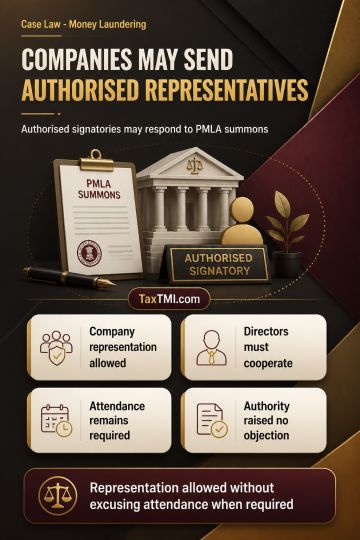
Corporate representation in PMLA summons proceedings permitted through an authorised signatory, subject to directors' continuing cooperation and atten...
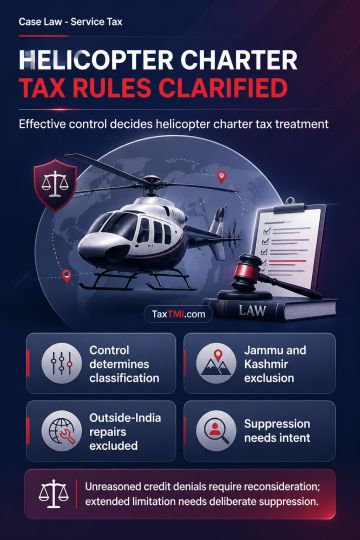
Helicopter charter classification requires effective control analysis, while territorial performance, reasoned credit orders and wilful suppression de...
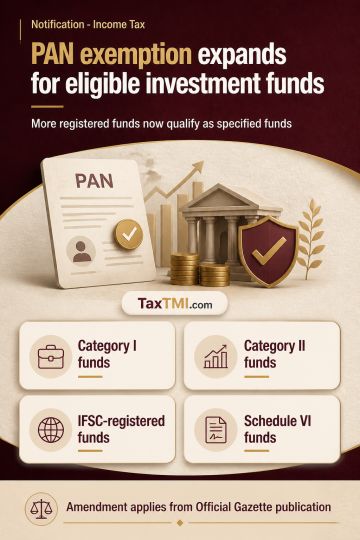
Specified fund definition expands PAN exemption eligibility for registered alternative investment funds and qualifying International Financial Service...
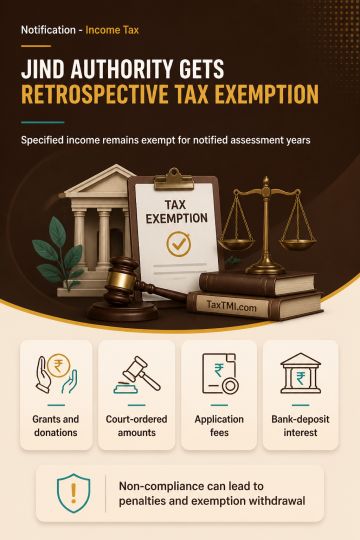
Tax exemption for specified legal-services authority income applies retrospectively, subject to non-commercial activity, unchanged income sources, and...
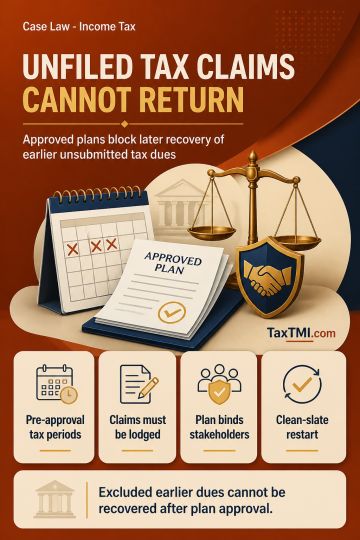
Approved resolution plans extinguish unsubmitted pre-approval tax claims, preventing later recovery outside the insolvency process and preserving a cl...
The Income Tax Appellate Tribunal (ITAT) held that the assessee's transactions involving purchases and sales on a High Seas Sales (HSS) basis did not constitute speculative transactions. The ITAT observed that under the Act, the term "speculation" focuses on whether the transactions involve actual delivery, transfer, or settlement. In the assessee's case, the entire transaction involved a process where delivery of goods took place, evidenced by documents like the Bill of Lading, which was not disputed by the revenue authorities. The ITAT found that the assessee physically purchased goods from a foreign seller, sold them to an importer while on high seas, and the ultimate buyer took delivery by filing the bill of entry and complying with customs formalities. Since the factual sequence of events and documentary evidence regarding the ultimate delivery were not disputed, the ITAT concluded that the transactions did not amount to speculation. Consequently, the assessee's appeal was allowed.
The Income Tax Appellate Tribunal (ITAT) held that the assessee's transactions involving purchases and sales on a High Seas Sales (HSS) basis did not constitute speculative transactions. The ITAT observed that under the Act, the term "speculation" focuses on whether the transactions involve actual delivery, transfer, or settlement. In the assessee's case, the entire transaction involved a process where delivery of goods took place, evidenced by documents like the Bill of Lading, which was not disputed by the revenue authorities. The ITAT found that the assessee physically purchased goods from a foreign seller, sold them to an importer while on high seas, and the ultimate buyer took delivery by filing the bill of entry and complying with customs formalities. Since the factual sequence of events and documentary evidence regarding the ultimate delivery were not disputed, the ITAT concluded that the transactions did not amount to speculation. Consequently, the assessee's appeal was allowed.
Note: It is a system-generated summary and is for quick reference only.
 TaxTMI
  TaxTMI
 of 4814




 Join Channel


