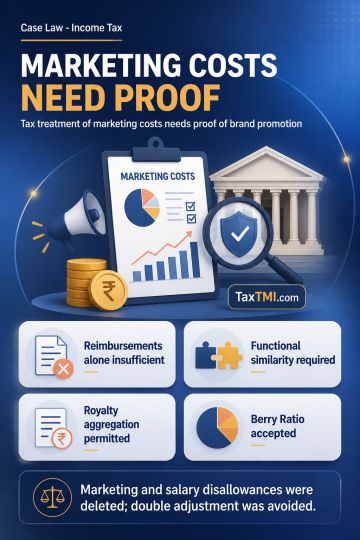
Transfer pricing requires evidence for AMP transactions, functionally reliable comparables, and appropriate aggregation or Berry Ratio benchmarking me...
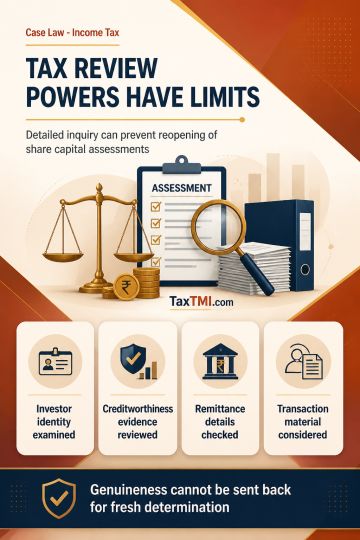
Revisionary jurisdiction cannot reopen share capital assessments where adequate inquiry supports a permissible view and no independent error is establ...
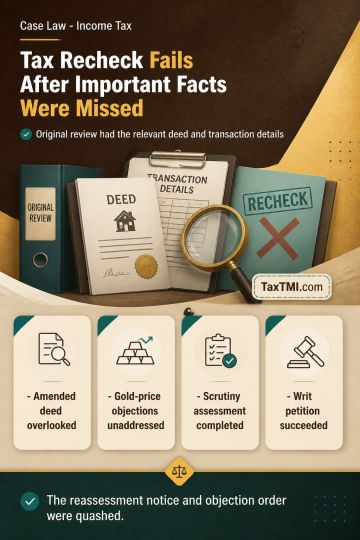
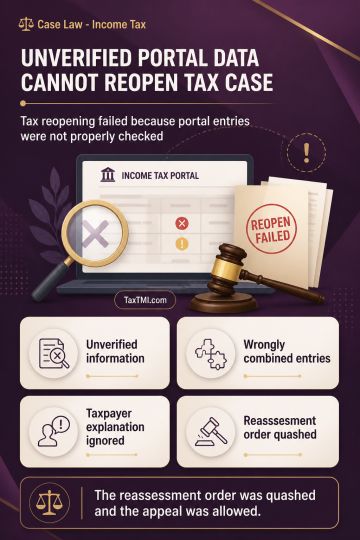
Reassessment jurisdiction fails where unverified portal information is aggregated without examining the taxpayer's explanation or relevance of entries...
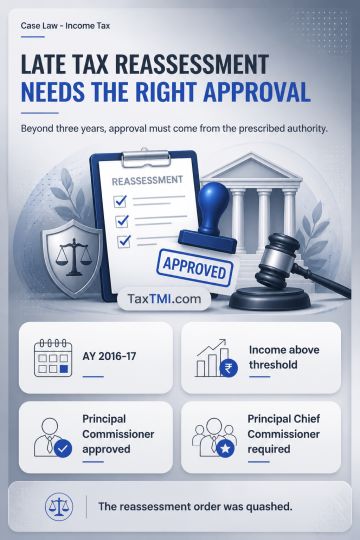
Statutory sanction for delayed reassessment requires approval from the prescribed authority; approval by an inferior authority invalidates jurisdictio...
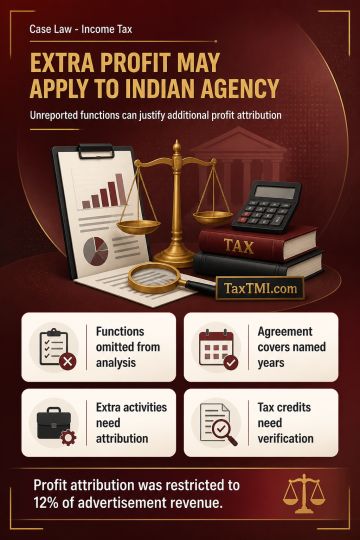
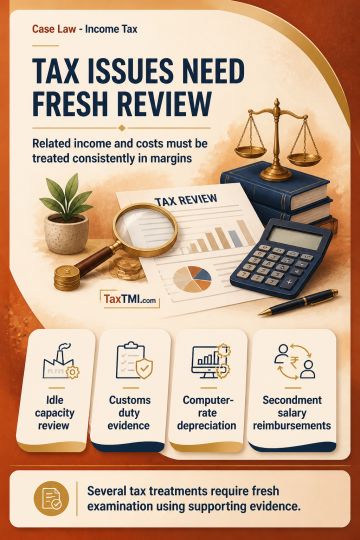
Transfer pricing margin adjustments require matching treatment of non-operating income and related costs, with comparability issues reconsidered on ev...
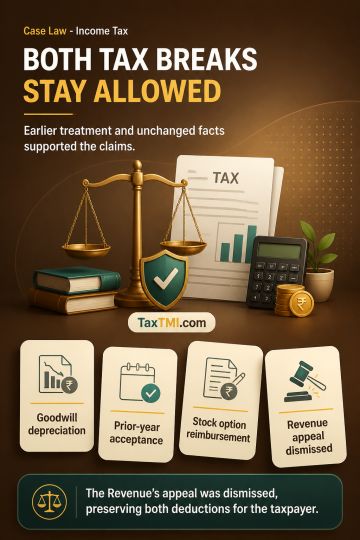
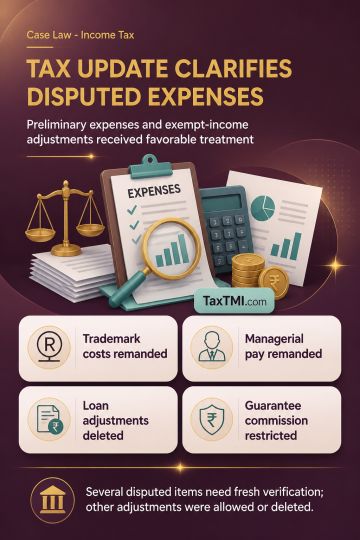
Preliminary-expense amortisation and MAT exempt-income adjustments prevailed, while trademark costs and managerial remuneration require fresh verifica...
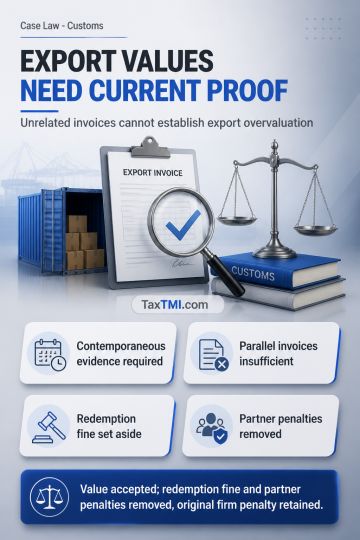
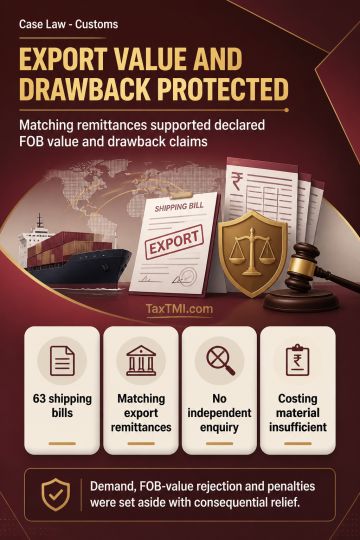
Export valuation requires contemporaneous evidence; unrelated invoices cannot prove overvaluation, and dual penalties on firm and partner are impermis...
The CESTAT held that the demand of Rs.80,61,111/- (including Education Cess and Secondary and Higher Education Cess) raised on the ground of difference between the taxable value recorded in Service Tax returns and the income shown in the Balance Sheet and Profit & Loss Account is not sustainable. The appellant had not suppressed any information from the Department, and there was no mala fide intent or intention to evade payment of tax established. Invoking the extended period of limitation was not justified as per the Supreme Court's judgment in Nirlon Ltd. case. The entire demand of Service Tax for the financial years 2007-08 to 2010-11 was set aside on the ground of limitation. The demand of Rs.46,931/- on advances received from customers was also set aside as these were refundable security deposits not liable to Service Tax. However, the appellant was eligible to avail the CENVAT Credit of Rs.69,73,243/- as the input invoices met the requirements under the CENVAT Credit Rules. Consequently, the penalties imposed u/s 78 of the Finance Act and Rule 15(2) of the CENVAT Credit Rules were also set aside.
The CESTAT held that the demand of Rs.80,61,111/- (including Education Cess and Secondary and Higher Education Cess) raised on the ground of difference between the taxable value recorded in Service Tax returns and the income shown in the Balance Sheet and Profit & Loss Account is not sustainable. The appellant had not suppressed any information from the Department, and there was no mala fide intent or intention to evade payment of tax established. Invoking the extended period of limitation was not justified as per the Supreme Court's judgment in Nirlon Ltd. case. The entire demand of Service Tax for the financial years 2007-08 to 2010-11 was set aside on the ground of limitation. The demand of Rs.46,931/- on advances received from customers was also set aside as these were refundable security deposits not liable to Service Tax. However, the appellant was eligible to avail the CENVAT Credit of Rs.69,73,243/- as the input invoices met the requirements under the CENVAT Credit Rules. Consequently, the penalties imposed u/s 78 of the Finance Act and Rule 15(2) of the CENVAT Credit Rules were also set aside.
Note: It is a system-generated summary and is for quick reference only.
 TaxTMI
 of 4805




 Join Channel


 TaxTMI
