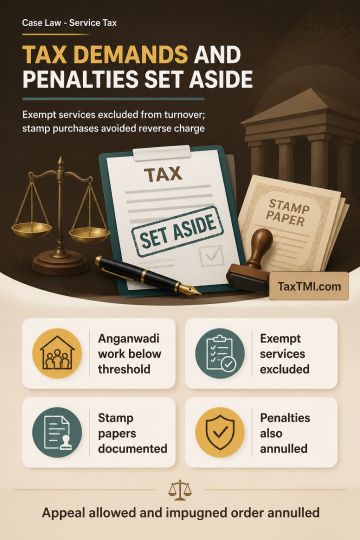
Threshold exemption excludes exempt services, while stamp-paper purchases avoid reverse charge; consequential service tax penalties were also set asid...
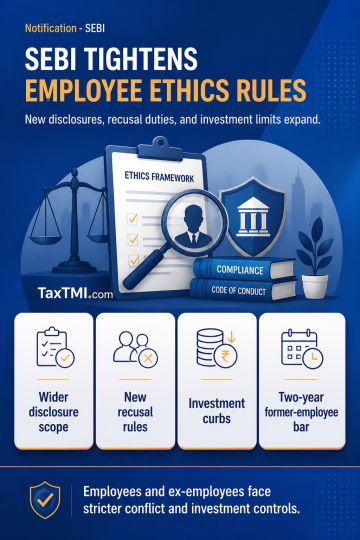
Employee conflict disclosures and investment restrictions expand with new recusal duties, post-employment limits, and compliance reporting requirement...
The High Court dismissed the appeal and upheld the CESTAT order in M/s Bright Clearing [2022 (11) TMI 935 - CESTAT NEW DELHI]. The court held that under Regulation 10(n) of CBLR, 2018, the customs broker is not required to physically verify the address of the exporter/importer. The burden on the customs broker is liberal, and the potential misuse cannot be attributed to them. The customs broker's responsibility ends with fulfilling the obligation under Regulation 10. In this case, the exporters/importers had produced valid GSTIN and IEC certificates issued by the competent authorities, and the department had not doubted their identities. Therefore, the customs broker cannot be faulted for processing the export papers based on the documents provided.
The High Court dismissed the appeal and upheld the CESTAT order in M/s Bright Clearing [2022 (11) TMI 935 - CESTAT NEW DELHI]. The court held that under Regulation 10(n) of CBLR, 2018, the customs broker is not required to physically verify the address of the exporter/importer. The burden on the customs broker is liberal, and the potential misuse cannot be attributed to them. The customs broker's responsibility ends with fulfilling the obligation under Regulation 10. In this case, the exporters/importers had produced valid GSTIN and IEC certificates issued by the competent authorities, and the department had not doubted their identities. Therefore, the customs broker cannot be faulted for processing the export papers based on the documents provided.
Note: It is a system-generated summary and is for quick reference only.
 TaxTMI
 of 4807







 Join Channel


 TaxTMI
