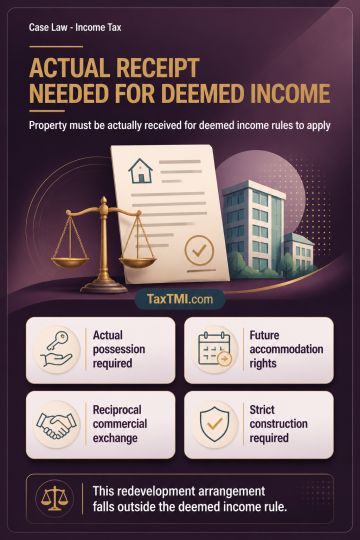
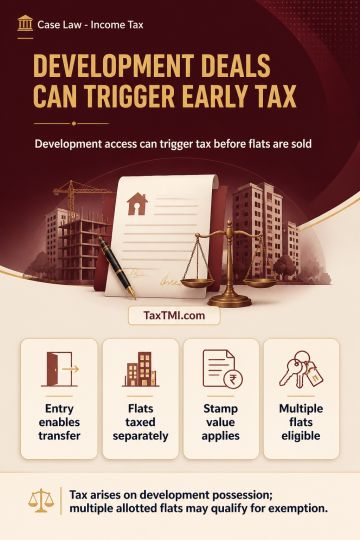
Receipt of immovable property requires actual possession or enjoyment; redevelopment allotments exchanged for tenancy rights fall outside deemed incom...
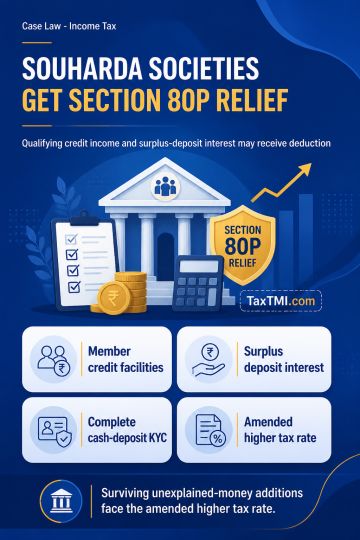
Section 80P deduction covers Souharda credit societies, including qualifying surplus-deposit interest, subject to member KYC verification for cash dep...
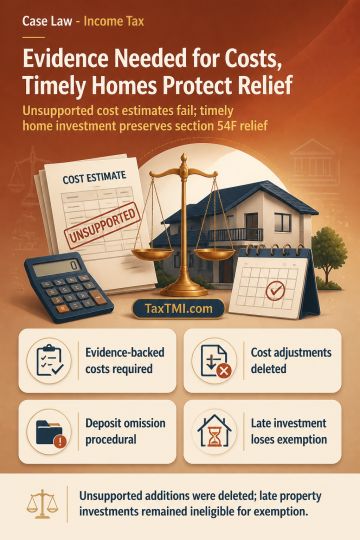
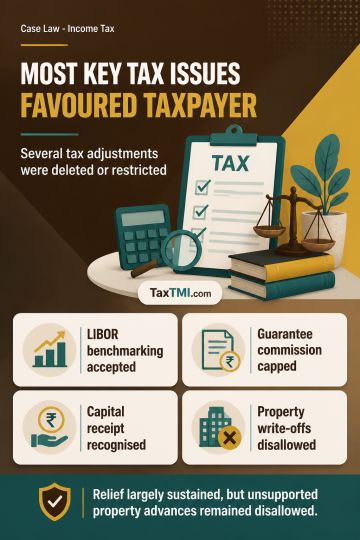
Transfer-pricing benchmarking and capital-receipt principles sustained taxpayer relief, while unsupported property-advance write-offs remained disallo...
The appellant was charged with evasion of central excise duty on the quantity of SKO cleared from the refinery intended for public distribution system. The CESTAT held that there was no willful suppression or misdeclaration of facts to defraud the exchequer. Following the Supreme Court's judgment in Nizam Sugar Factory, the CESTAT ruled that the subsequent show cause notices did not involve suppression of facts already known to the authorities. Since the goods were intended for public distribution system without any end-use condition, and intermixing was inevitable, the CESTAT relied on the Dalmia Dadri Cement Ltd. case to allow full exemption from duty after clearance. Consequently, the appeal against recovery of central excise duty was allowed.
The appellant was charged with evasion of central excise duty on the quantity of SKO cleared from the refinery intended for public distribution system. The CESTAT held that there was no willful suppression or misdeclaration of facts to defraud the exchequer. Following the Supreme Court's judgment in Nizam Sugar Factory, the CESTAT ruled that the subsequent show cause notices did not involve suppression of facts already known to the authorities. Since the goods were intended for public distribution system without any end-use condition, and intermixing was inevitable, the CESTAT relied on the Dalmia Dadri Cement Ltd. case to allow full exemption from duty after clearance. Consequently, the appeal against recovery of central excise duty was allowed.
Note: It is a system-generated summary and is for quick reference only.
 TaxTMI
 of 4805








 Join Channel


 TaxTMI
