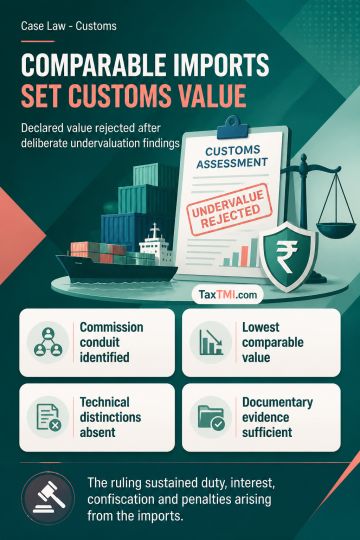
Transaction value rejection requires reliable corroboration; refundable VAT is excluded and temporary registration does not defeat new-vehicle exempti...
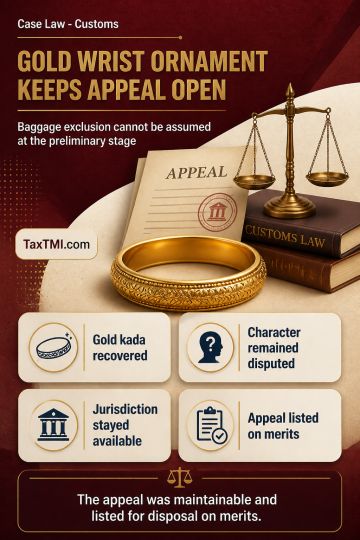
Appellate jurisdiction remains available where a wrist-worn gold ornament cannot conclusively be characterised as imported baggage at the preliminary ...
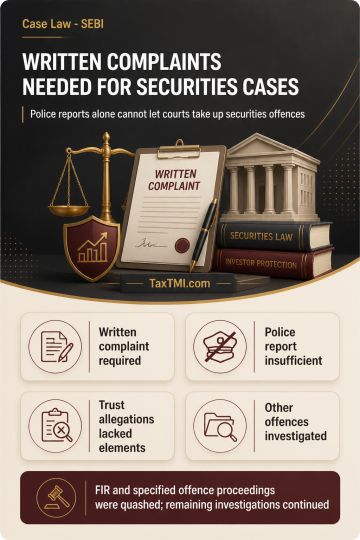
Written complaint requirement bars cognizance on police reports for securities offences, while unsupported breach of trust and cheating allegations fa...
Risk-based postal import clearance standardises electronic assessment, document requests, duty realisation and delivery controls at Foreign Post Offic...
Customs Cargo Service Provider appointment extends custodianship to additional terminal land, subject to cargo-control, security and licence condition...
The appellant was charged with evasion of central excise duty on the quantity of SKO cleared from the refinery intended for public distribution system. The CESTAT held that there was no willful suppression or misdeclaration of facts to defraud the exchequer. Following the Supreme Court's judgment in Nizam Sugar Factory, the CESTAT ruled that the subsequent show cause notices did not involve suppression of facts already known to the authorities. Since the goods were intended for public distribution system without any end-use condition, and intermixing was inevitable, the CESTAT relied on the Dalmia Dadri Cement Ltd. case to allow full exemption from duty after clearance. Consequently, the appeal against recovery of central excise duty was allowed.
The appellant was charged with evasion of central excise duty on the quantity of SKO cleared from the refinery intended for public distribution system. The CESTAT held that there was no willful suppression or misdeclaration of facts to defraud the exchequer. Following the Supreme Court's judgment in Nizam Sugar Factory, the CESTAT ruled that the subsequent show cause notices did not involve suppression of facts already known to the authorities. Since the goods were intended for public distribution system without any end-use condition, and intermixing was inevitable, the CESTAT relied on the Dalmia Dadri Cement Ltd. case to allow full exemption from duty after clearance. Consequently, the appeal against recovery of central excise duty was allowed.
Note: It is a system-generated summary and is for quick reference only.
 TaxTMI
 of 4805








 Join Channel


 TaxTMI