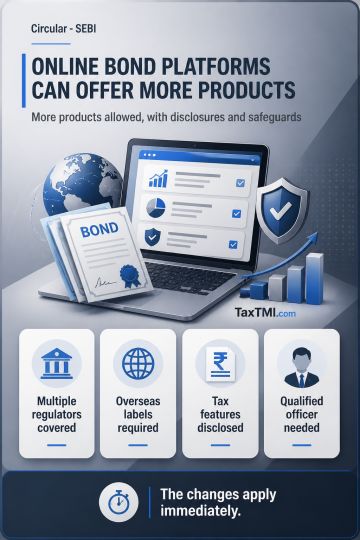
Online bond platforms may offer overseas-regulated products and tax-specific bonds subject to disclosures, compliance safeguards and revised complianc...
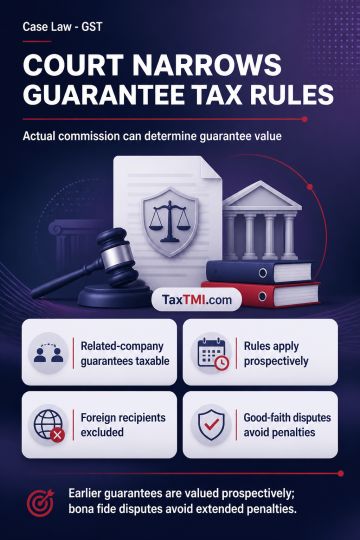
Corporate guarantee valuation permits actual ascertainable commission while barring retroactive application and extended-period penalties for bona fid...
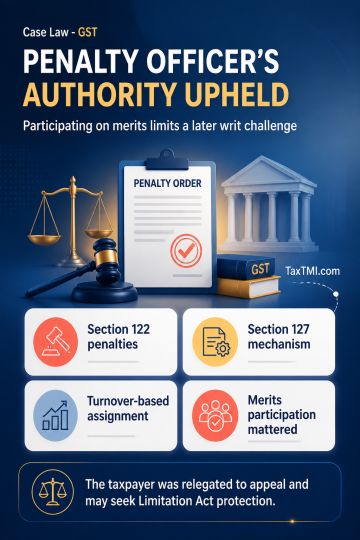
Proper-officer jurisdiction under UPGST penalty provisions upheld; participation on merits prevents bypassing the statutory appellate remedy through w...
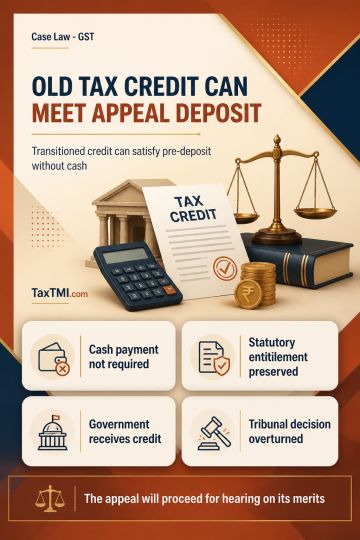
Transitioned CENVAT credit may validly satisfy mandatory pre-deposit requirements for legacy service tax appeals through Electronic Credit Ledger debi...
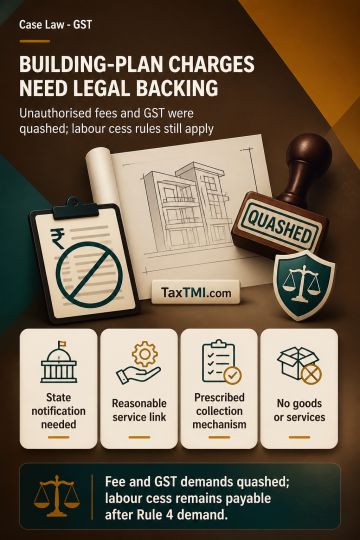
Building-plan sanction charges require statutory authority; unauthorised fees and GST were quashed, while labour cess must follow prescribed collectio...
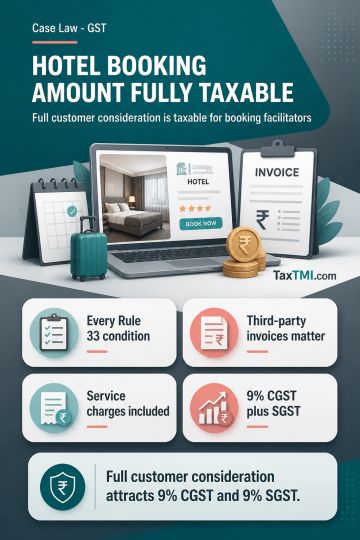
Pure-agent exclusion fails where hotel booking facilitators receive third-party services themselves, making entire customer consideration taxable as r...
The appellant failed to prove the genuineness of the purchase transactions, and the goods were received from parties other than those from whom they were shown to have been purchased. The appellant deposited the input tax credit availed on the invoices from two entities, indicating that the goods were not received from those entities. The appellant inflated the expenditure by showing higher purchase prices through fictitious invoices from bogus suppliers. Since no sale can occur without purchase, and the appellant indulged in bogus purchases, a percentage of the bogus purchases can be added to arrive at the net income. The matter was remanded to the Assessing Officer for recalculations regarding the percentage of bogus purchases and/or gross profit, after providing an opportunity to the appellant to produce relevant and admissible material, in accordance with the law.
The appellant failed to prove the genuineness of the purchase transactions, and the goods were received from parties other than those from whom they were shown to have been purchased. The appellant deposited the input tax credit availed on the invoices from two entities, indicating that the goods were not received from those entities. The appellant inflated the expenditure by showing higher purchase prices through fictitious invoices from bogus suppliers. Since no sale can occur without purchase, and the appellant indulged in bogus purchases, a percentage of the bogus purchases can be added to arrive at the net income. The matter was remanded to the Assessing Officer for recalculations regarding the percentage of bogus purchases and/or gross profit, after providing an opportunity to the appellant to produce relevant and admissible material, in accordance with the law.
Note: It is a system-generated summary and is for quick reference only.
 TaxTMI
 of 4800



 Join Channel


 TaxTMI