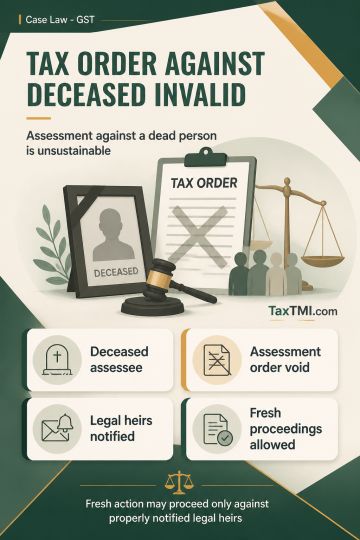
Mutual fund maturity rules require proper rollover, redemption, disclosure, and due diligence; investor gains cannot excuse regulatory breaches or pen...
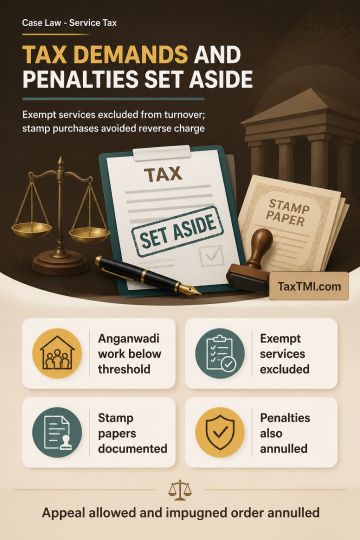
Threshold exemption excludes exempt services, while stamp-paper purchases avoid reverse charge; consequential service tax penalties were also set asid...
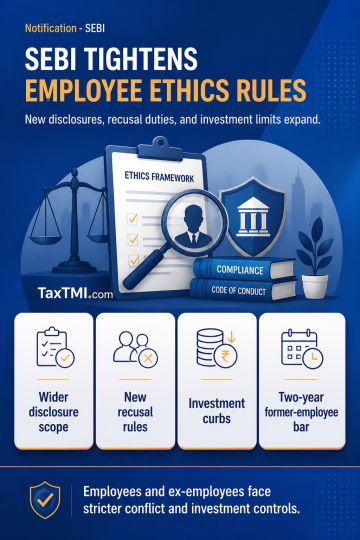
Employee conflict disclosures and investment restrictions expand with new recusal duties, post-employment limits, and compliance reporting requirement...
The appellant failed to prove the genuineness of the purchase transactions, and the goods were received from parties other than those from whom they were shown to have been purchased. The appellant deposited the input tax credit availed on the invoices from two entities, indicating that the goods were not received from those entities. The appellant inflated the expenditure by showing higher purchase prices through fictitious invoices from bogus suppliers. Since no sale can occur without purchase, and the appellant indulged in bogus purchases, a percentage of the bogus purchases can be added to arrive at the net income. The matter was remanded to the Assessing Officer for recalculations regarding the percentage of bogus purchases and/or gross profit, after providing an opportunity to the appellant to produce relevant and admissible material, in accordance with the law.
The appellant failed to prove the genuineness of the purchase transactions, and the goods were received from parties other than those from whom they were shown to have been purchased. The appellant deposited the input tax credit availed on the invoices from two entities, indicating that the goods were not received from those entities. The appellant inflated the expenditure by showing higher purchase prices through fictitious invoices from bogus suppliers. Since no sale can occur without purchase, and the appellant indulged in bogus purchases, a percentage of the bogus purchases can be added to arrive at the net income. The matter was remanded to the Assessing Officer for recalculations regarding the percentage of bogus purchases and/or gross profit, after providing an opportunity to the appellant to produce relevant and admissible material, in accordance with the law.
Note: It is a system-generated summary and is for quick reference only.
 TaxTMI
 of 4805




 Join Channel


 TaxTMI