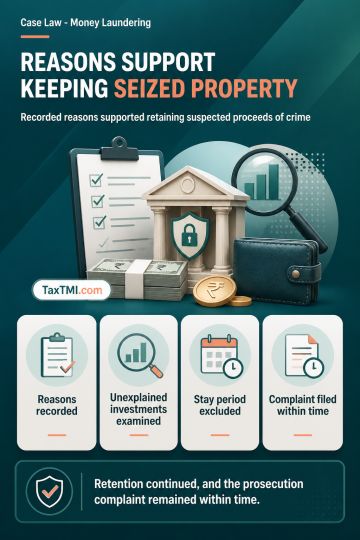
Retention of seized property survives where recorded reasons support proceeds of crime, while stayed investigation periods are excluded from limitatio...
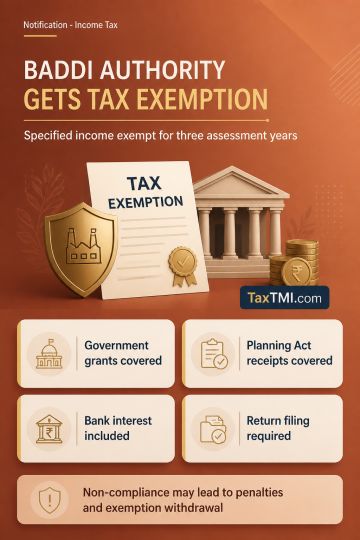
Specified income of Baddi Barotiwala Nalagarh Development Authority receives conditional tax exemption, retrospectively covering its designated assess...
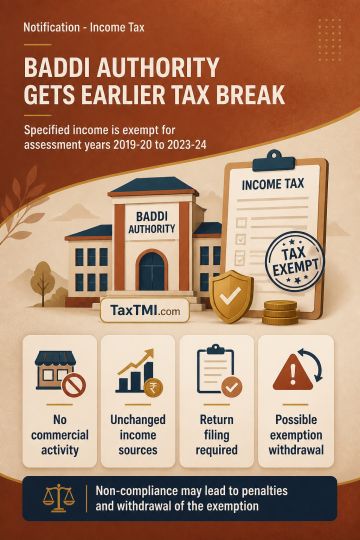
Specified development authority income receives retrospective tax exemption, subject to non-commercial activity, unchanged income sources, and return-...
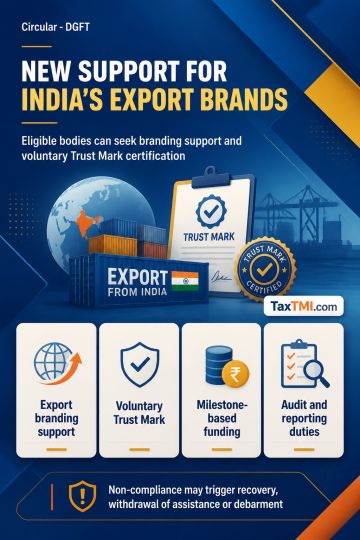
Unified Brand India framework introduces voluntary Trust Mark certification and funding support for export branding, packaging and global promotional ...
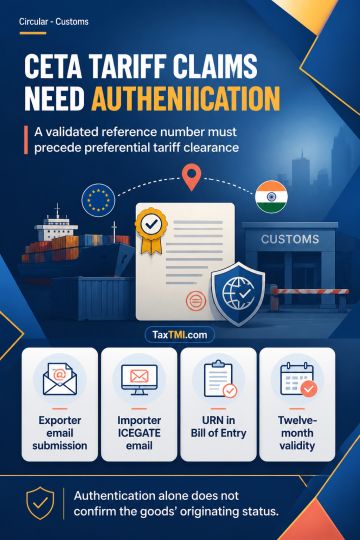
Origin Declaration authentication governs preferential tariff claims under India-UK CETA, requiring a validated reference number before import clearan...
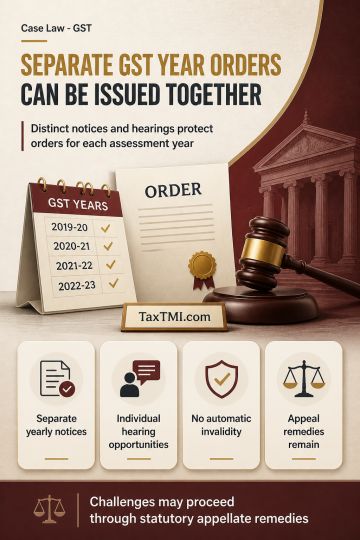
Separate assessment orders for different years remain valid when distinct notices and hearing opportunities prevent prejudice from combined proceeding...
The appellant failed to prove the genuineness of the purchase transactions, and the goods were received from parties other than those from whom they were shown to have been purchased. The appellant deposited the input tax credit availed on the invoices from two entities, indicating that the goods were not received from those entities. The appellant inflated the expenditure by showing higher purchase prices through fictitious invoices from bogus suppliers. Since no sale can occur without purchase, and the appellant indulged in bogus purchases, a percentage of the bogus purchases can be added to arrive at the net income. The matter was remanded to the Assessing Officer for recalculations regarding the percentage of bogus purchases and/or gross profit, after providing an opportunity to the appellant to produce relevant and admissible material, in accordance with the law.
The appellant failed to prove the genuineness of the purchase transactions, and the goods were received from parties other than those from whom they were shown to have been purchased. The appellant deposited the input tax credit availed on the invoices from two entities, indicating that the goods were not received from those entities. The appellant inflated the expenditure by showing higher purchase prices through fictitious invoices from bogus suppliers. Since no sale can occur without purchase, and the appellant indulged in bogus purchases, a percentage of the bogus purchases can be added to arrive at the net income. The matter was remanded to the Assessing Officer for recalculations regarding the percentage of bogus purchases and/or gross profit, after providing an opportunity to the appellant to produce relevant and admissible material, in accordance with the law.
Note: It is a system-generated summary and is for quick reference only.
 TaxTMI
 of 4805






 Join Channel


 TaxTMI
