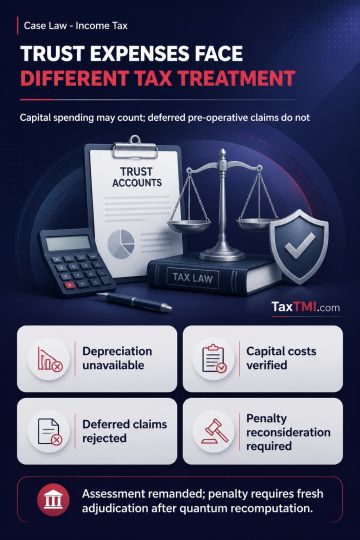
Charitable trust income application permits verified capital expenditure but rejects deferred pre-operative claims and requires reconsideration of con...
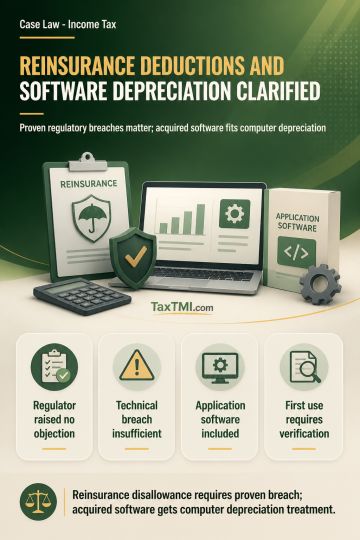
Reinsurance premium deductions require established regulatory breaches, while independently acquired software qualifies within the computer depreciati...
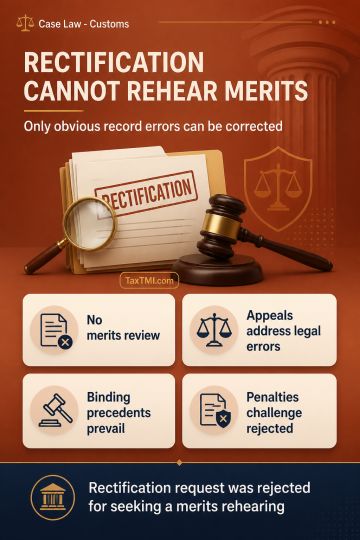
Rectification of mistake remains limited to self-evident record errors, preventing merits review through miscellaneous applications and preserving fin...
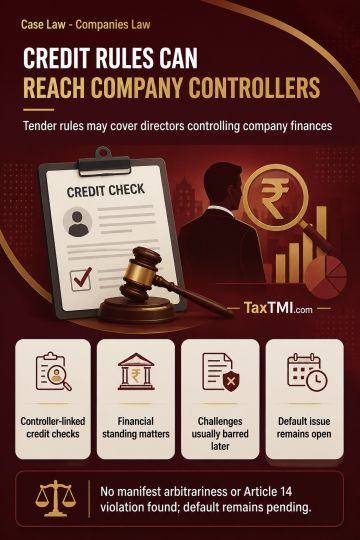
Tender creditworthiness conditions may extend to de facto Promoter Directors, with post-participation challenges generally barred absent arbitrariness...
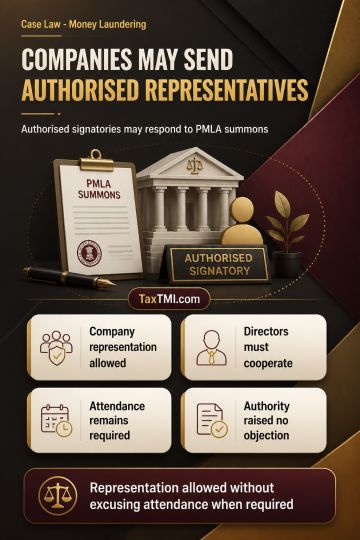
Corporate representation in PMLA summons proceedings permitted through an authorised signatory, subject to directors' continuing cooperation and atten...
The appellant failed to prove the genuineness of the purchase transactions, and the goods were received from parties other than those from whom they were shown to have been purchased. The appellant deposited the input tax credit availed on the invoices from two entities, indicating that the goods were not received from those entities. The appellant inflated the expenditure by showing higher purchase prices through fictitious invoices from bogus suppliers. Since no sale can occur without purchase, and the appellant indulged in bogus purchases, a percentage of the bogus purchases can be added to arrive at the net income. The matter was remanded to the Assessing Officer for recalculations regarding the percentage of bogus purchases and/or gross profit, after providing an opportunity to the appellant to produce relevant and admissible material, in accordance with the law.
The appellant failed to prove the genuineness of the purchase transactions, and the goods were received from parties other than those from whom they were shown to have been purchased. The appellant deposited the input tax credit availed on the invoices from two entities, indicating that the goods were not received from those entities. The appellant inflated the expenditure by showing higher purchase prices through fictitious invoices from bogus suppliers. Since no sale can occur without purchase, and the appellant indulged in bogus purchases, a percentage of the bogus purchases can be added to arrive at the net income. The matter was remanded to the Assessing Officer for recalculations regarding the percentage of bogus purchases and/or gross profit, after providing an opportunity to the appellant to produce relevant and admissible material, in accordance with the law.
Note: It is a system-generated summary and is for quick reference only.
 TaxTMI
 of 4805



 Join Channel


 TaxTMI
