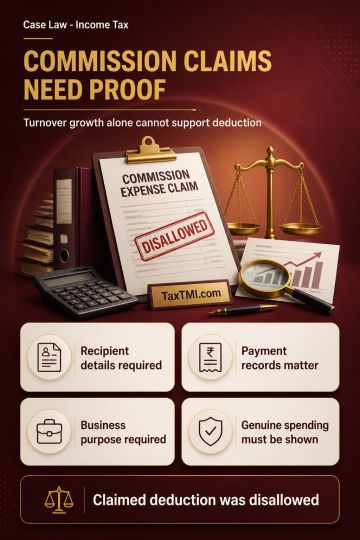
Business expenditure deduction requires proof of genuine commission payments and commercial allowability; turnover growth alone cannot validate the cl...
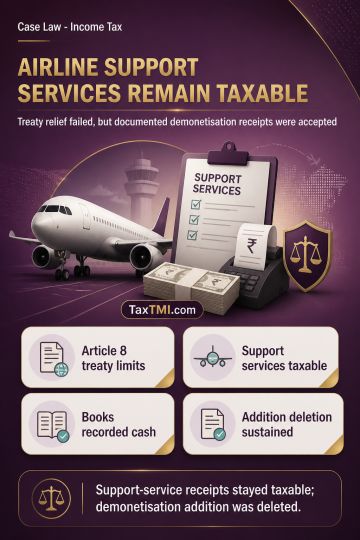
Article 8 treaty coverage excluded third-party airline support services, while documented demonetisation cash receipts remained accepted business inco...
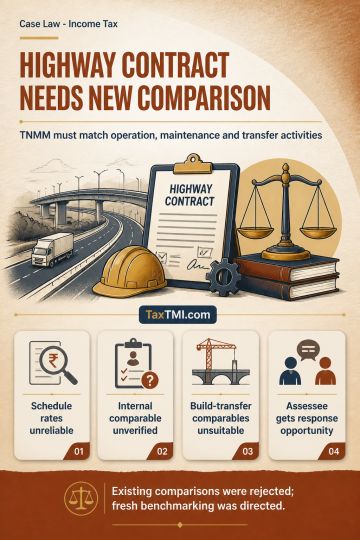
Functional comparability under TNMM requires highway contract benchmarks to reflect operation, maintenance and transfer activities, requiring fresh be...
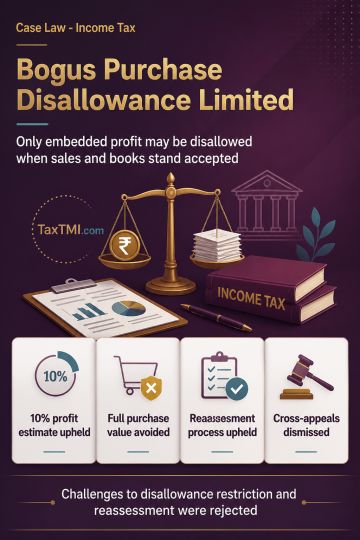
The appellant failed to prove the genuineness of the purchase transactions, and the goods were received from parties other than those from whom they were shown to have been purchased. The appellant deposited the input tax credit availed on the invoices from two entities, indicating that the goods were not received from those entities. The appellant inflated the expenditure by showing higher purchase prices through fictitious invoices from bogus suppliers. Since no sale can occur without purchase, and the appellant indulged in bogus purchases, a percentage of the bogus purchases can be added to arrive at the net income. The matter was remanded to the Assessing Officer for recalculations regarding the percentage of bogus purchases and/or gross profit, after providing an opportunity to the appellant to produce relevant and admissible material, in accordance with the law.
The appellant failed to prove the genuineness of the purchase transactions, and the goods were received from parties other than those from whom they were shown to have been purchased. The appellant deposited the input tax credit availed on the invoices from two entities, indicating that the goods were not received from those entities. The appellant inflated the expenditure by showing higher purchase prices through fictitious invoices from bogus suppliers. Since no sale can occur without purchase, and the appellant indulged in bogus purchases, a percentage of the bogus purchases can be added to arrive at the net income. The matter was remanded to the Assessing Officer for recalculations regarding the percentage of bogus purchases and/or gross profit, after providing an opportunity to the appellant to produce relevant and admissible material, in accordance with the law.
Note: It is a system-generated summary and is for quick reference only.
 TaxTMI
 of 4803



 Join Channel


 TaxTMI