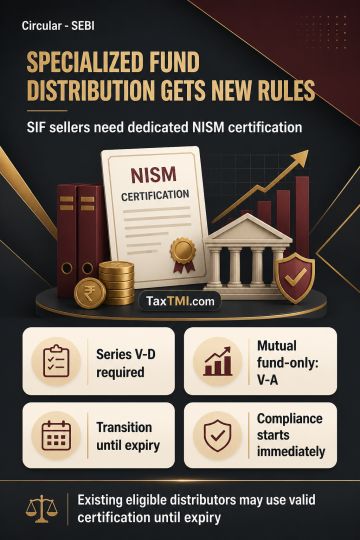
Specialized Investment Fund distribution now requires dedicated certification, while transitional recognition preserves existing qualified distributor...
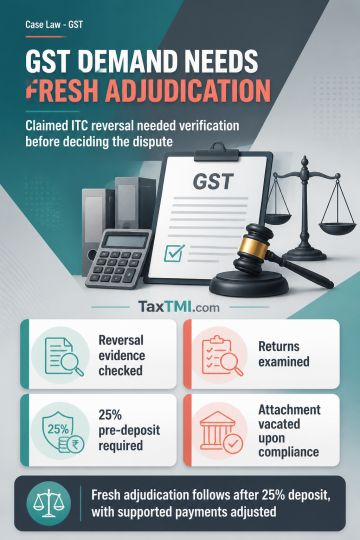
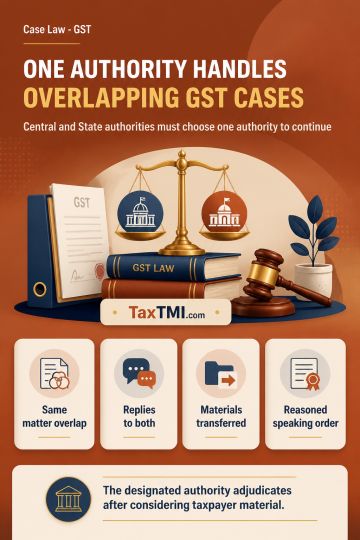
Overlapping GST proceedings require Central and State authorities to designate one competent authority for coordinated adjudication of the same matter...
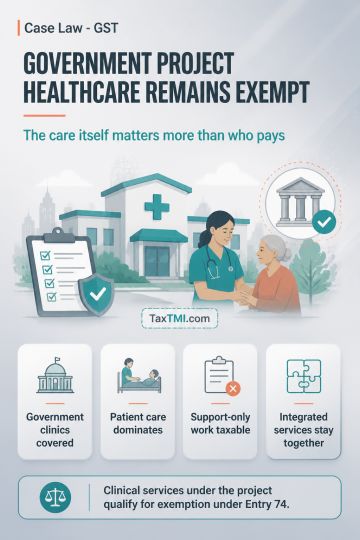
Composite healthcare supplies retain exemption when patient care is the contract's essential character, despite payment through an implementing agency...
The Supreme Court held that the appellant was neither the importer nor the owner of the imported car in question under the Customs Act, 1962 and the Motor Vehicles Act, 1988 respectively. The original importer remained the legal owner as the vehicle was not registered in the appellant's name. Consequently, the initiation of proceedings against the appellant by issuing a show cause notice, seizing, and confiscating the vehicle was unlawful. The Supreme Court quashed the impugned judgments, show cause notices, and other proceedings against the appellant, and restored the order of the Appellate Tribunal.
The Supreme Court held that the appellant was neither the importer nor the owner of the imported car in question under the Customs Act, 1962 and the Motor Vehicles Act, 1988 respectively. The original importer remained the legal owner as the vehicle was not registered in the appellant's name. Consequently, the initiation of proceedings against the appellant by issuing a show cause notice, seizing, and confiscating the vehicle was unlawful. The Supreme Court quashed the impugned judgments, show cause notices, and other proceedings against the appellant, and restored the order of the Appellate Tribunal.
Note: It is a system-generated summary and is for quick reference only.
 TaxTMI
 of 4805






 Join Channel


 TaxTMI