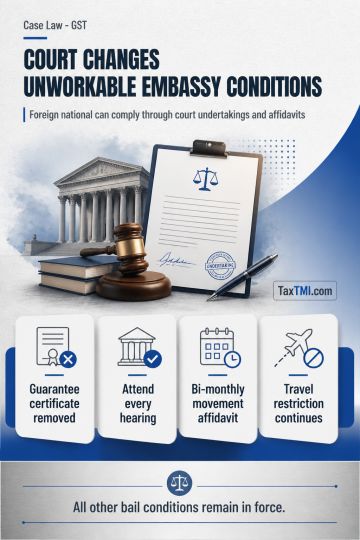
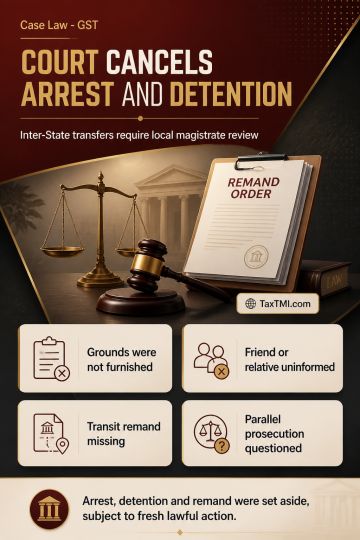
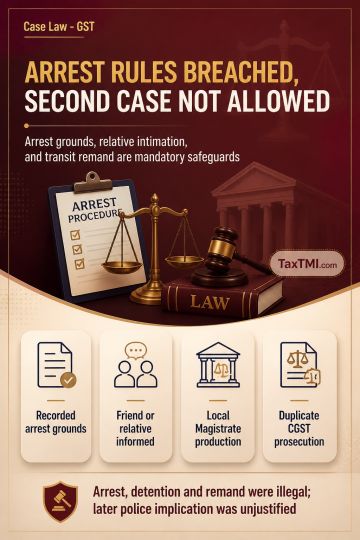
Arrest safeguards and transit remand requirements invalidated detention following inter-State transfer without communicated grounds or magistrate auth...
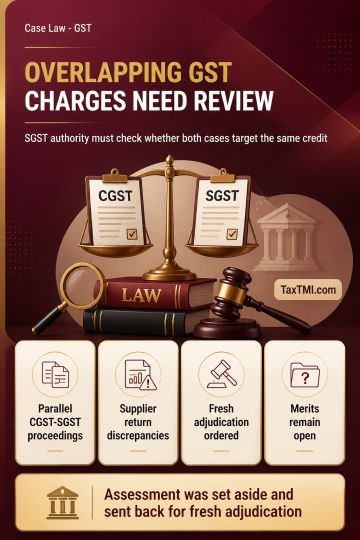
Arrest safeguards require disclosed grounds, relative intimation and transit remand, while duplicate prosecution under the CGST framework is unsustain...
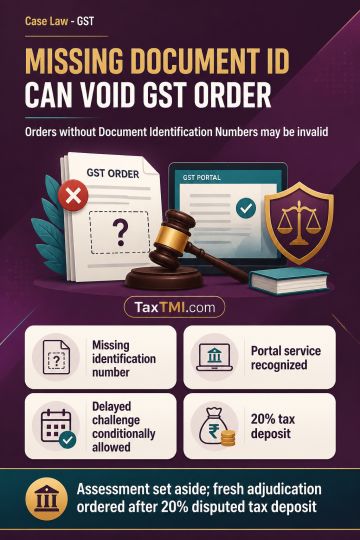
Document Identification Number defects can invalidate GST assessments, with delayed challenges entertained conditionally where patent irregularities e...
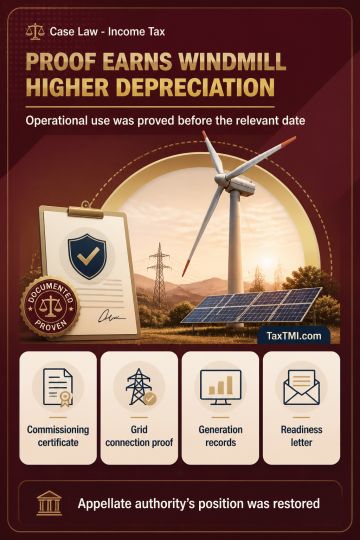
Windmill commissioning evidence supported higher depreciation where grid connection and electricity generation proved operational use before the relev...
The Supreme Court held that the appellant was neither the importer nor the owner of the imported car in question under the Customs Act, 1962 and the Motor Vehicles Act, 1988 respectively. The original importer remained the legal owner as the vehicle was not registered in the appellant's name. Consequently, the initiation of proceedings against the appellant by issuing a show cause notice, seizing, and confiscating the vehicle was unlawful. The Supreme Court quashed the impugned judgments, show cause notices, and other proceedings against the appellant, and restored the order of the Appellate Tribunal.
The Supreme Court held that the appellant was neither the importer nor the owner of the imported car in question under the Customs Act, 1962 and the Motor Vehicles Act, 1988 respectively. The original importer remained the legal owner as the vehicle was not registered in the appellant's name. Consequently, the initiation of proceedings against the appellant by issuing a show cause notice, seizing, and confiscating the vehicle was unlawful. The Supreme Court quashed the impugned judgments, show cause notices, and other proceedings against the appellant, and restored the order of the Appellate Tribunal.
Note: It is a system-generated summary and is for quick reference only.
 TaxTMI
 of 4805









 Join Channel


 TaxTMI
