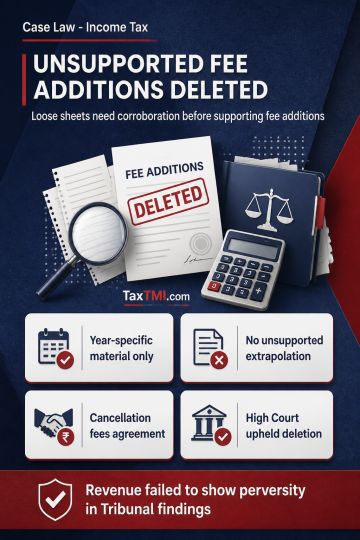
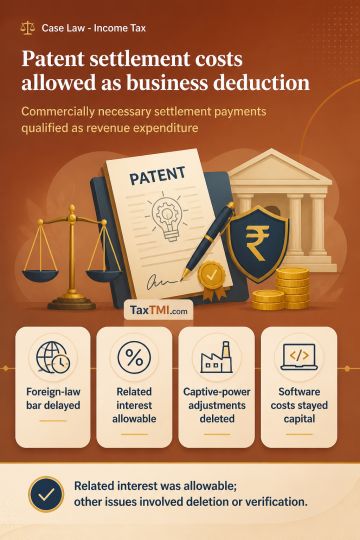
Patent-settlement expenditure treated as commercially expedient revenue outlay, with foreign-law restrictions inapplicable before the prospective amen...
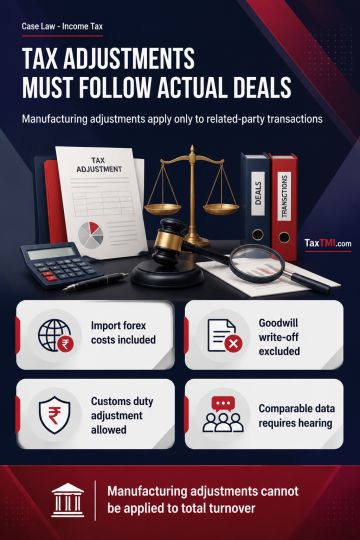
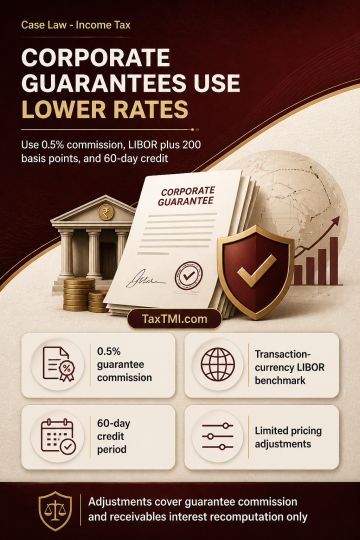
International transaction benchmarking restricts transfer pricing adjustments to associated-enterprise dealings, while functional comparability govern...
Joint development agreements defer taxable transfer where possession lacks part performance, while completed flats determine consideration and exempti...
The Supreme Court held that the appellant was neither the importer nor the owner of the imported car in question under the Customs Act, 1962 and the Motor Vehicles Act, 1988 respectively. The original importer remained the legal owner as the vehicle was not registered in the appellant's name. Consequently, the initiation of proceedings against the appellant by issuing a show cause notice, seizing, and confiscating the vehicle was unlawful. The Supreme Court quashed the impugned judgments, show cause notices, and other proceedings against the appellant, and restored the order of the Appellate Tribunal.
The Supreme Court held that the appellant was neither the importer nor the owner of the imported car in question under the Customs Act, 1962 and the Motor Vehicles Act, 1988 respectively. The original importer remained the legal owner as the vehicle was not registered in the appellant's name. Consequently, the initiation of proceedings against the appellant by issuing a show cause notice, seizing, and confiscating the vehicle was unlawful. The Supreme Court quashed the impugned judgments, show cause notices, and other proceedings against the appellant, and restored the order of the Appellate Tribunal.
Note: It is a system-generated summary and is for quick reference only.
 TaxTMI
 of 4803



 Join Channel


 TaxTMI
