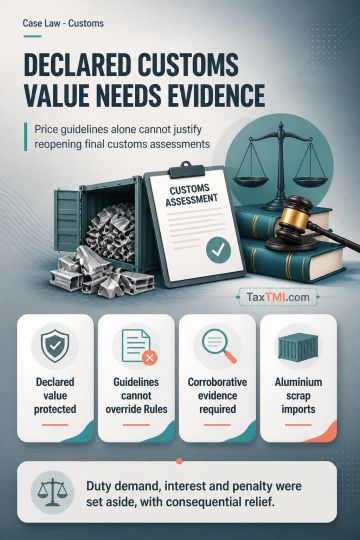
Transaction value cannot be rejected solely on non-statutory valuation guidelines without corroborative evidence supporting reassessment of final cust...
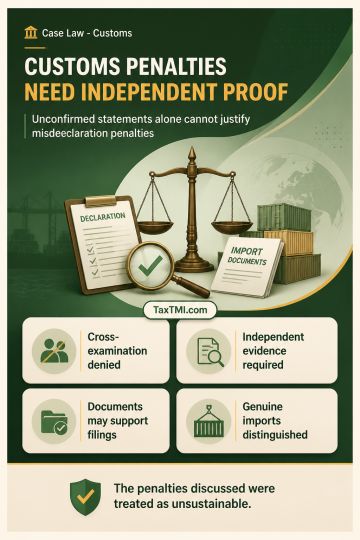
Cross-examination rights and corroborated evidence limit customs penalties for misdeclaration in genuine import transactions involving documented clea...
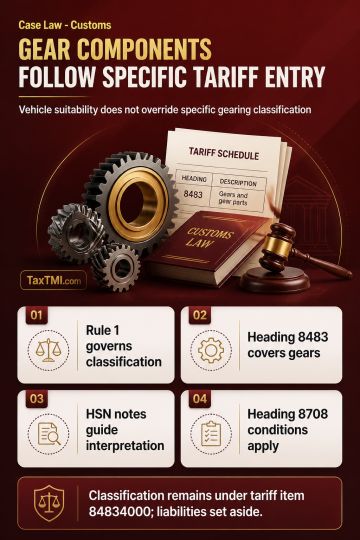
Tariff classification of vehicle gear components follows the specific gearing entry, displacing motor-vehicle parts classification and related liabili...
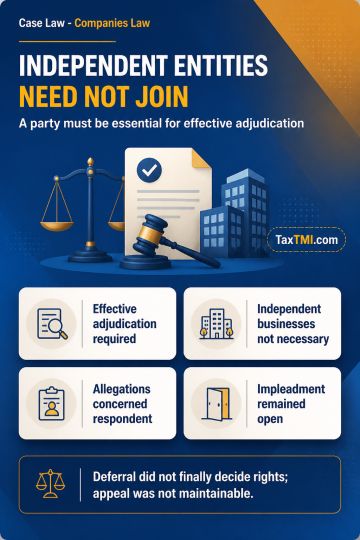
Necessary-party requirements limit impleadment of independent entities, while deferred consideration does not create an appealable adverse determinati...
The respondent's request for conversion of shipping bills from NFEI to EOU/other schemes was made after a period of three months, exceeding the time limit. However, it was held that Section 149 of the Customs Act, 1962 does not specify any time limit for such conversions. The Tribunal and High Court have allowed conversions even when the request was filed beyond three months, as the time limit prescribed by the Board Circular is not binding, being a non-statutory provision. Since the conversion had no revenue implication and the respondent did not claim any export incentive schemes, the impugned order was upheld, and the Revenue's appeal was dismissed.
The respondent's request for conversion of shipping bills from NFEI to EOU/other schemes was made after a period of three months, exceeding the time limit. However, it was held that Section 149 of the Customs Act, 1962 does not specify any time limit for such conversions. The Tribunal and High Court have allowed conversions even when the request was filed beyond three months, as the time limit prescribed by the Board Circular is not binding, being a non-statutory provision. Since the conversion had no revenue implication and the respondent did not claim any export incentive schemes, the impugned order was upheld, and the Revenue's appeal was dismissed.
Note: It is a system-generated summary and is for quick reference only.
 TaxTMI
 of 4803










 Join Channel


 TaxTMI
