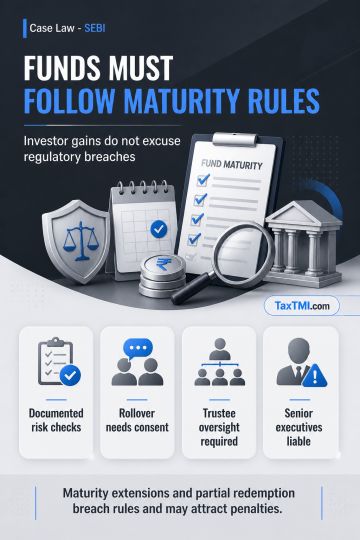
Mutual fund maturity rules require proper rollover, redemption, disclosure, and due diligence; investor gains cannot excuse regulatory breaches or pen...
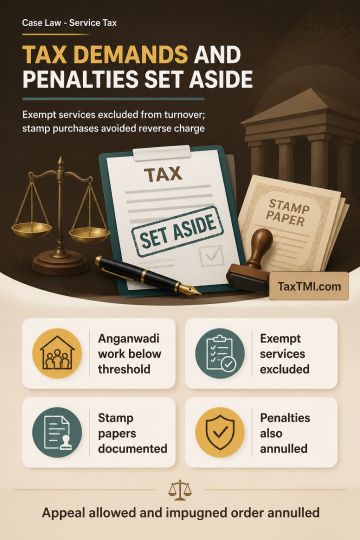
Threshold exemption excludes exempt services, while stamp-paper purchases avoid reverse charge; consequential service tax penalties were also set asid...
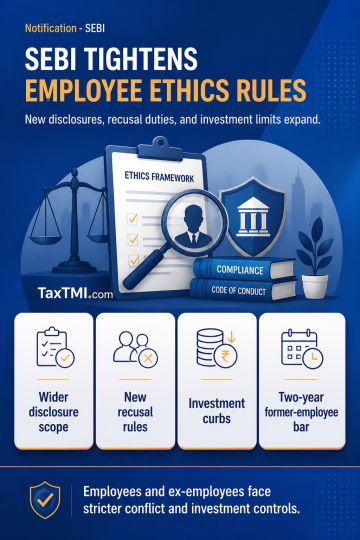
Employee conflict disclosures and investment restrictions expand with new recusal duties, post-employment limits, and compliance reporting requirement...
The Appellate Tribunal allowed the appeal and set aside the impugned order. The Tribunal held that the Show Cause Notice did not discuss the unavailability of CENVAT credit to the appellants, nor did it propose to deny the availment of CENVAT credit. The Show Cause Notice focused on recovering duty paid on finished goods utilizing CENVAT credit, but it did not refer to Rule 14 of the CENVAT Credit Rules or allege that the credit was wrongly taken or inadmissible. Since duty was not payable on the final products cleared by the appellants, it was immaterial whether such duty was paid through cash or CENVAT credit. The Tribunal concluded that the impugned order exceeded the scope of the Show Cause Notice.
The Appellate Tribunal allowed the appeal and set aside the impugned order. The Tribunal held that the Show Cause Notice did not discuss the unavailability of CENVAT credit to the appellants, nor did it propose to deny the availment of CENVAT credit. The Show Cause Notice focused on recovering duty paid on finished goods utilizing CENVAT credit, but it did not refer to Rule 14 of the CENVAT Credit Rules or allege that the credit was wrongly taken or inadmissible. Since duty was not payable on the final products cleared by the appellants, it was immaterial whether such duty was paid through cash or CENVAT credit. The Tribunal concluded that the impugned order exceeded the scope of the Show Cause Notice.
Note: It is a system-generated summary and is for quick reference only.
 TaxTMI
 of 4805








 Join Channel


 TaxTMI