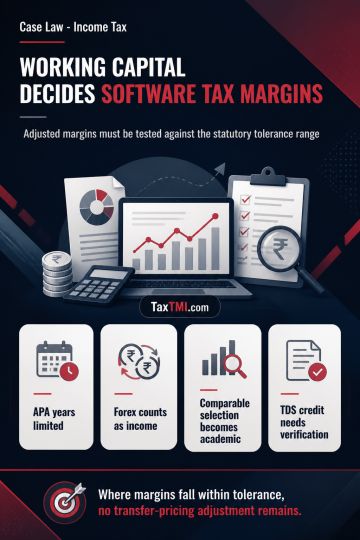
Working-capital adjustment determines whether software-services transfer-pricing margins fall within the statutory tolerance range, eliminating any ad...
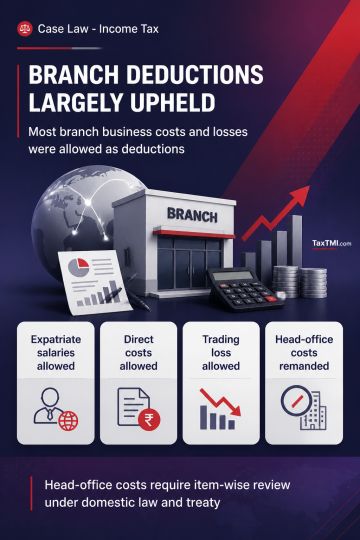
Permanent establishment deductions upheld for expatriate salaries, direct costs and trading losses, while head-office costs require fresh classificati...
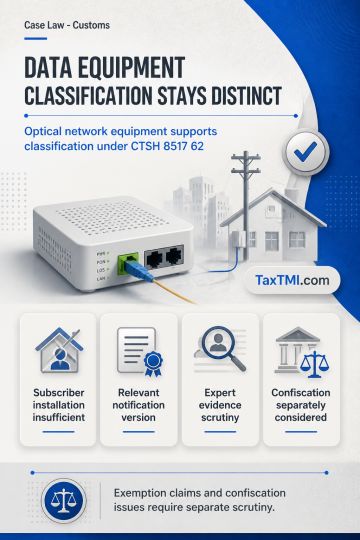
Data transmission equipment classification under CTSH 8517 62 remains distinct from residual classification, with exemption evidence requiring scrutin...
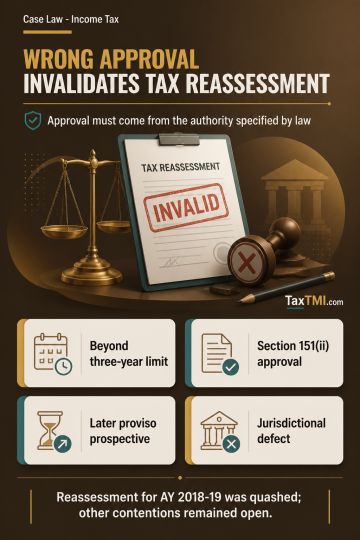
The High Court held that the impugned notice issued u/s 148 of the Act was beyond the time limitation prescribed u/s 149(1). The Revenue's contention that the non-obstante clause u/s 150 permitted issuance of the notice, premised on the assumption that the High Court's previous order dismissing the Revenue's appeal contained findings and directions for commencing proceedings u/s 147, was rejected. The Court clarified that its previous order could not be construed as permitting reopening of assessments beyond the period stipulated u/s 149(1) or where necessary conditions for invoking Sections 147 and 148 were not satisfied. Consequently, the time limitation u/s 149(1) was applicable, rendering the impugned notice invalid.
The High Court held that the impugned notice issued u/s 148 of the Act was beyond the time limitation prescribed u/s 149(1). The Revenue's contention that the non-obstante clause u/s 150 permitted issuance of the notice, premised on the assumption that the High Court's previous order dismissing the Revenue's appeal contained findings and directions for commencing proceedings u/s 147, was rejected. The Court clarified that its previous order could not be construed as permitting reopening of assessments beyond the period stipulated u/s 149(1) or where necessary conditions for invoking Sections 147 and 148 were not satisfied. Consequently, the time limitation u/s 149(1) was applicable, rendering the impugned notice invalid.
Note: It is a system-generated summary and is for quick reference only.
 TaxTMI
 of 4805





 Join Channel


 TaxTMI