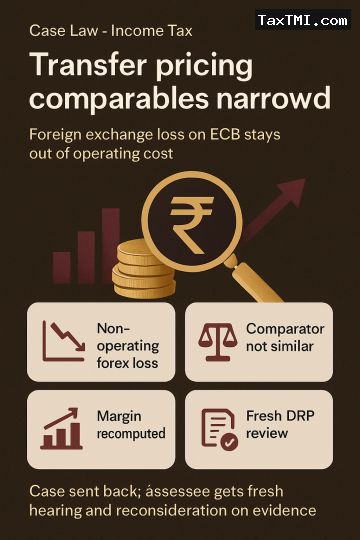
Transfer pricing comparability under TNMM: foreign exchange loss on ECB excluded from operating cost, and a functionally dissimilar comparator removed...
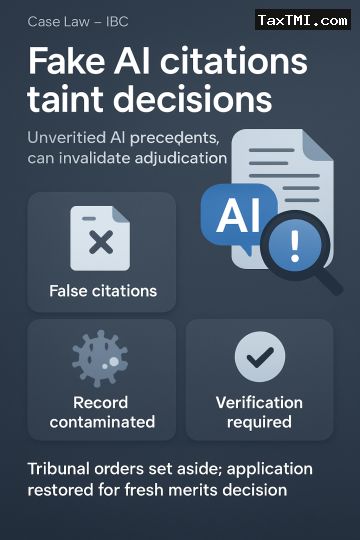
Fake AI-generated precedents vitiate adjudication, with unverified citations contaminating the decision-making process and undermining the rule of law...
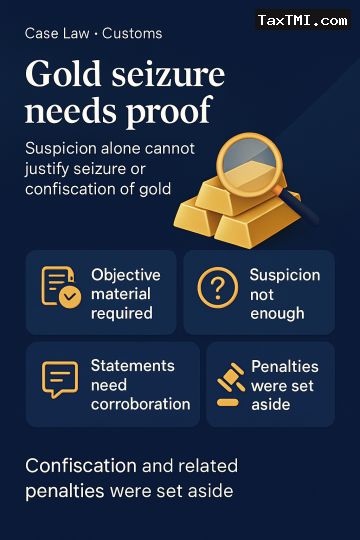
The High Court quashed the seizure order dated 14.08.2020, holding that it violated Sections 7, 11, 46 and 47 of the Customs Act, 1962 and Section 3(2) of the Foreign Trade (Development and Regulation) Act, 1992. The second petitioner had locus standi to challenge the seizure memo along with the first petitioner. The petitioners were not required to exhaust the alternative remedy u/s 128 of the Customs Act, as the seizure memo did not comply with Section 110 by not providing reasons. The contents of the Panchnama could not be read into the seizure memo as per the Notification dated 08.02.2017. The seizing officer failed to disclose minimal reasons in the seizure memo as required u/s 110(1A), (1B), (1C) of the Customs Act. The impugned seizure memo was unsustainable and deserved to be quashed.
The High Court quashed the seizure order dated 14.08.2020, holding that it violated Sections 7, 11, 46 and 47 of the Customs Act, 1962 and Section 3(2) of the Foreign Trade (Development and Regulation) Act, 1992. The second petitioner had locus standi to challenge the seizure memo along with the first petitioner. The petitioners were not required to exhaust the alternative remedy u/s 128 of the Customs Act, as the seizure memo did not comply with Section 110 by not providing reasons. The contents of the Panchnama could not be read into the seizure memo as per the Notification dated 08.02.2017. The seizing officer failed to disclose minimal reasons in the seizure memo as required u/s 110(1A), (1B), (1C) of the Customs Act. The impugned seizure memo was unsustainable and deserved to be quashed.
Note: It is a system-generated summary and is for quick reference only.
 TaxTMI
  TaxTMI
 of 4814



 Join Channel


