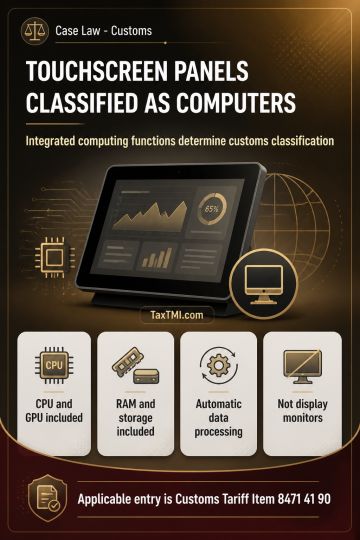
Interactive touchscreen panels with integrated computing functions fall under automatic data-processing machines rather than display monitors for cust...
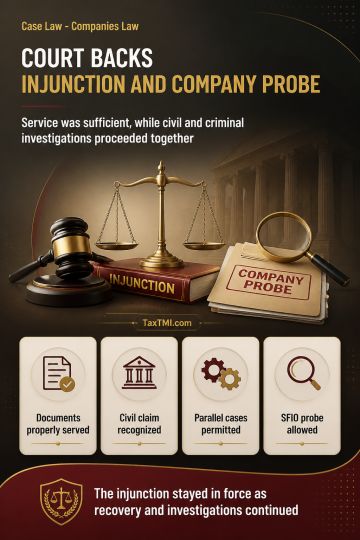
Ex parte injunction service requirements were substantially met, while civil recovery and SFIO investigation into provident fund defalcation continued...
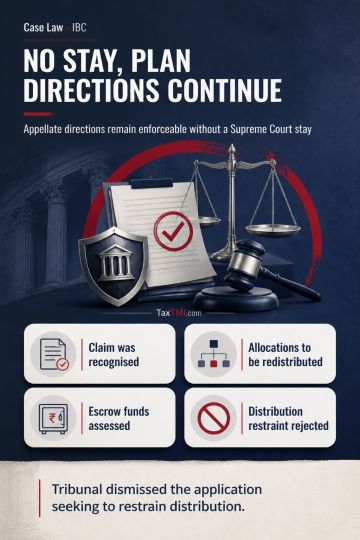
Enforcement of resolution-plan directions continues without a Supreme Court stay, preventing suspension of redistribution and escrowed-fund distributi...
Third-party ownership claims over attached property require Special Court adjudication where purchasers lack registered sale deeds and bona fides rema...
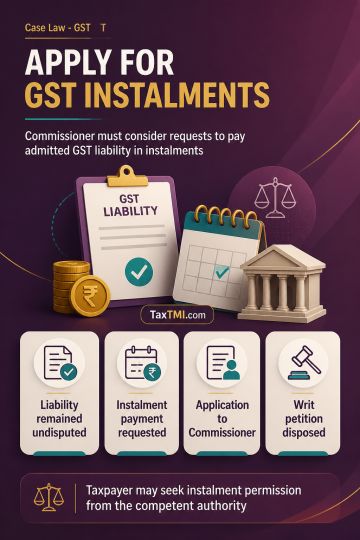
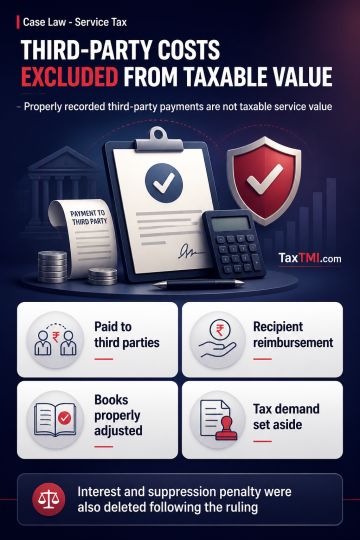
Pure-agent reimbursements in clearing and forwarding services are excluded from taxable value when qualifying third-party payments are properly record...
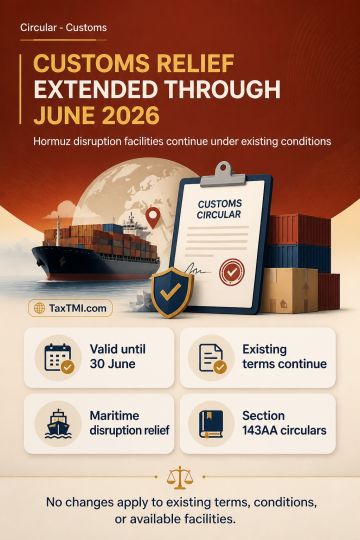
Customs relief for Strait of Hormuz maritime disruptions remains available, with existing conditions continuing unchanged through the extended validit...
The ITAT ruled in favor of the assessee, allowing the loss incurred in stock option transactions. The Assessing Officer (AO) had disallowed the loss, alleging that the options were sold at unreasonably low prices, even below their intrinsic value. However, the ITAT observed that the AO's conclusion was based solely on conjecture without any corroborative evidence. The assessee had provided contract notes and ledger accounts proving the transactions were conducted through the Bombay Stock Exchange (BSE). Despite this, the revenue authorities neither rebutted nor challenged the authenticity of the submitted documents. The assessee discharged their burden of proof, and the onus shifted to the revenue authorities, who failed to bring any comparative data or evidence to substantiate their claims. Consequently, the ITAT set aside the impugned appellate order and deleted the addition, deciding in favor of the assessee.
The ITAT ruled in favor of the assessee, allowing the loss incurred in stock option transactions. The Assessing Officer (AO) had disallowed the loss, alleging that the options were sold at unreasonably low prices, even below their intrinsic value. However, the ITAT observed that the AO's conclusion was based solely on conjecture without any corroborative evidence. The assessee had provided contract notes and ledger accounts proving the transactions were conducted through the Bombay Stock Exchange (BSE). Despite this, the revenue authorities neither rebutted nor challenged the authenticity of the submitted documents. The assessee discharged their burden of proof, and the onus shifted to the revenue authorities, who failed to bring any comparative data or evidence to substantiate their claims. Consequently, the ITAT set aside the impugned appellate order and deleted the addition, deciding in favor of the assessee.
Note: It is a system-generated summary and is for quick reference only.
 TaxTMI
  TaxTMI
 of 4819








 Join Channel