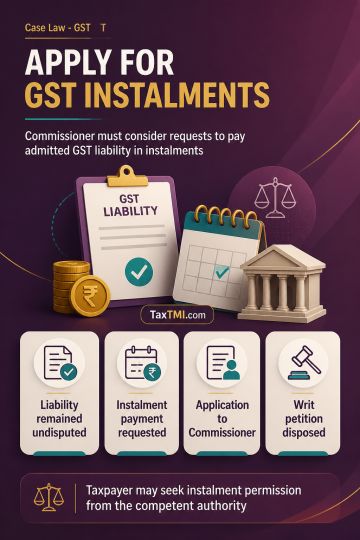
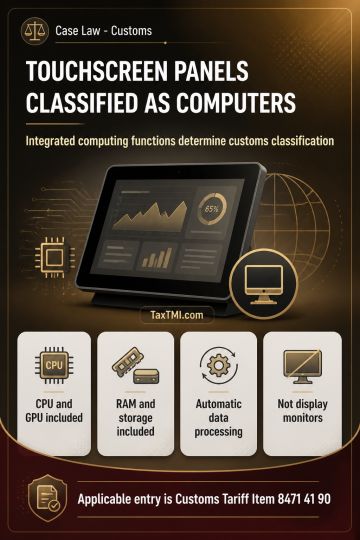
Interactive touchscreen panels with integrated computing functions fall under automatic data-processing machines rather than display monitors for cust...
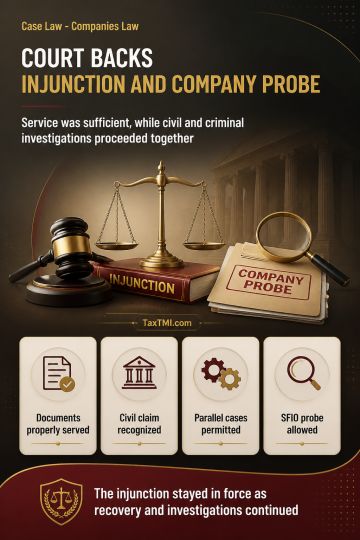
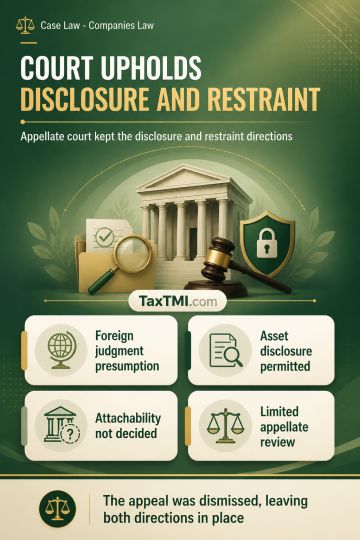
Ex parte injunction service requirements were substantially met, while civil recovery and SFIO investigation into provident fund defalcation continued...
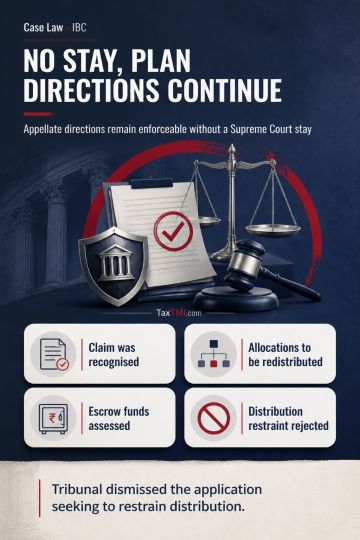
Enforcement of resolution-plan directions continues without a Supreme Court stay, preventing suspension of redistribution and escrowed-fund distributi...
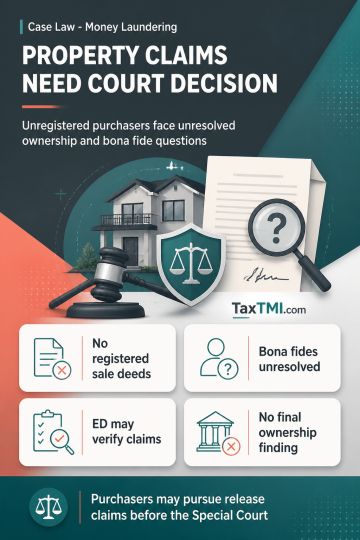
Third-party ownership claims over attached property require Special Court adjudication where purchasers lack registered sale deeds and bona fides rema...
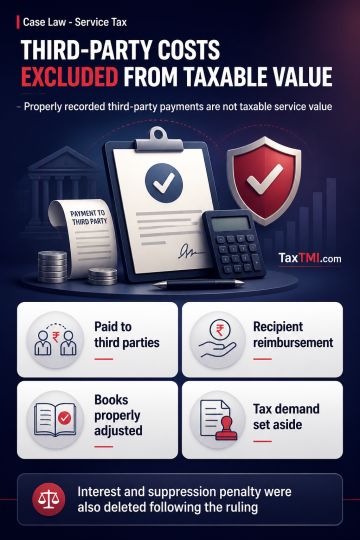
Pure-agent reimbursements in clearing and forwarding services are excluded from taxable value when qualifying third-party payments are properly record...
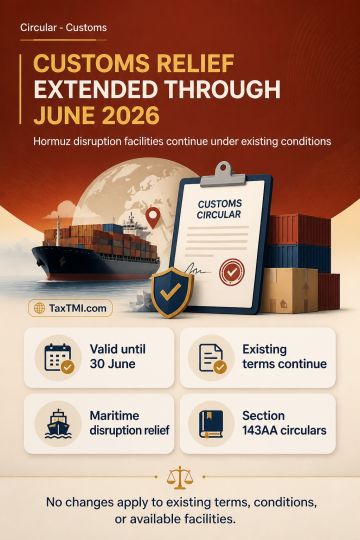
Customs relief for Strait of Hormuz maritime disruptions remains available, with existing conditions continuing unchanged through the extended validit...
The CESTAT allowed the appeal in part by modifying the impugned order. It set aside the revocation of the Customs Broker's license and forfeiture of security deposit, as there was no violation of Regulations 1(4), 10(d), 10(n), and 13(12) of the Customs Brokers Licensing Regulations (CBLR), 2018. However, a penalty of Rs. 5,000 was imposed on the Customs Broker for violating Regulation 10(e) due to failure to exercise due diligence in handling documents while filing import declarations. The Tribunal held that the Customs Broker cannot be faulted for misdeclaration by the importer, as they filed the bill of entry based on documents provided. The delay in inquiry proceedings was not properly explained, and the entire blame cannot be placed on the Customs Broker.
The CESTAT allowed the appeal in part by modifying the impugned order. It set aside the revocation of the Customs Broker's license and forfeiture of security deposit, as there was no violation of Regulations 1(4), 10(d), 10(n), and 13(12) of the Customs Brokers Licensing Regulations (CBLR), 2018. However, a penalty of Rs. 5,000 was imposed on the Customs Broker for violating Regulation 10(e) due to failure to exercise due diligence in handling documents while filing import declarations. The Tribunal held that the Customs Broker cannot be faulted for misdeclaration by the importer, as they filed the bill of entry based on documents provided. The delay in inquiry proceedings was not properly explained, and the entire blame cannot be placed on the Customs Broker.
Note: It is a system-generated summary and is for quick reference only.
 TaxTMI
  TaxTMI
 of 4819




 Join Channel