Nature-dependent electricity contracts receive new Ind AS accounting, hedge designation, transition and financial-statement disclosure requirements fr...
Alternative GST remedy permitted protective writ intervention for ex parte adjudication, preserving independent appellate review of input tax credit d...
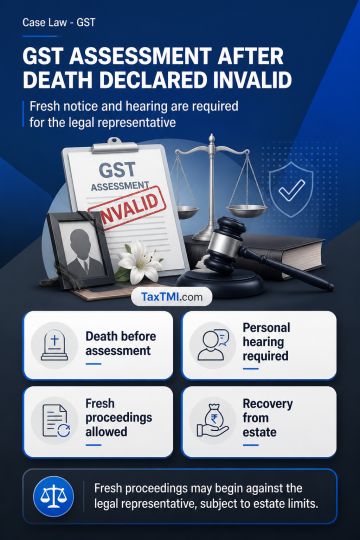
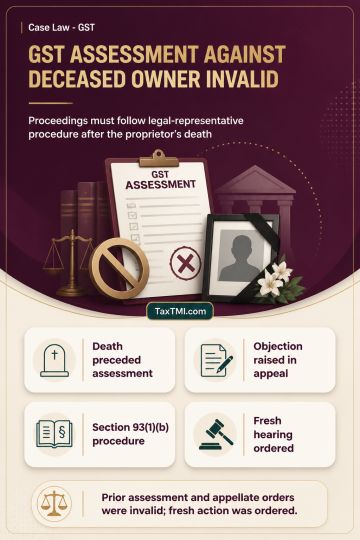
Assessment against deceased sole proprietor requires proceedings against the legal representative, rendering prior assessment and appellate orders inv...
Residential waste collection classification under SAC 999423 defeats composite-supply exemption where facilitating goods are not transferred to the lo...
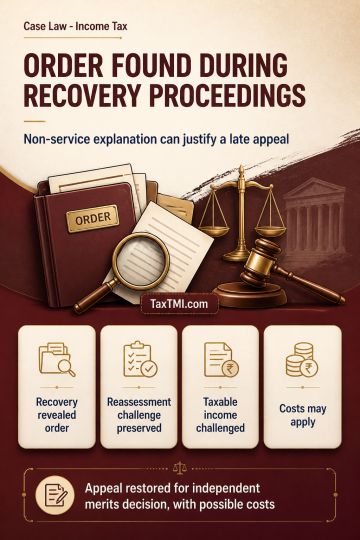
Condonation of delay permits statutory appeal restoration where inadequate service explanation prevented consideration of reassessment and taxable-inc...
The High Court dismissed the petition challenging the show cause notice issued by SEBI. The key findings were: the arguments of delay, laches, review, revisit, double jeopardy, and res judicata were not accepted to quash the notice at this stage, allowing petitioners to raise such defenses before SEBI. The Court found no non-application of mind by SEBI in issuing the notice based on the available material. SEBI agreed to provide certain information related to an earlier complaint within two weeks. Petitioners were granted four weeks after receiving that information to file their response to the show cause notice. The Court declined to interfere further, stating that fairness is a two-way process, and prolonging adjudication unnecessarily should be avoided. The extraordinary jurisdiction was not meant for stalling proceedings at every stage.
The High Court dismissed the petition challenging the show cause notice issued by SEBI. The key findings were: the arguments of delay, laches, review, revisit, double jeopardy, and res judicata were not accepted to quash the notice at this stage, allowing petitioners to raise such defenses before SEBI. The Court found no non-application of mind by SEBI in issuing the notice based on the available material. SEBI agreed to provide certain information related to an earlier complaint within two weeks. Petitioners were granted four weeks after receiving that information to file their response to the show cause notice. The Court declined to interfere further, stating that fairness is a two-way process, and prolonging adjudication unnecessarily should be avoided. The extraordinary jurisdiction was not meant for stalling proceedings at every stage.
Note: It is a system-generated summary and is for quick reference only.
 TaxTMI
  TaxTMI
 of 4817












 Join Channel


