Vicarious liability for dishonoured company cheques may extend to non-signatory directors where complaints contain foundational responsibility avermen...
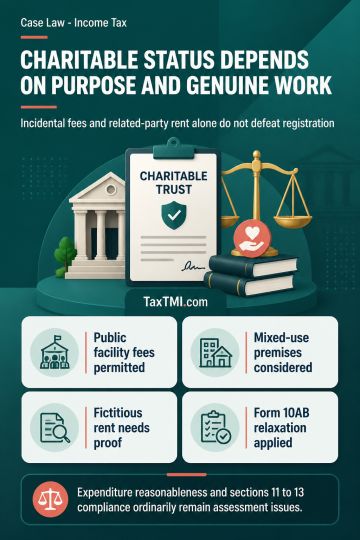
Charitable registration turns on predominant purpose and genuine activities, while incidental fees and related-party rent require supporting adverse m...
MAT book-profit adjustments exclude disallowances for exempt-income expenditure and demerger expenditure unless expressly listed under the statutory c...
The Appellate Tribunal held that the extended period of limitation for demand of duty could not be invoked as there was no suppression of facts or intent to evade payment of Central Excise duty by the appellants. The manufacture, clearances, and business transactions were duly recorded in books of account maintained by the appellants. The CENVAT credit demand and interest were set aside as the credit was reversed without utilization. No penalty was imposable as there was no intention to evade duty. The personal penalty on the partner was also set aside, following jurisdictional High Court precedents that separate personal penalties on partners in a firm case are unjustified. Consequently, the appeal was allowed.
The Appellate Tribunal held that the extended period of limitation for demand of duty could not be invoked as there was no suppression of facts or intent to evade payment of Central Excise duty by the appellants. The manufacture, clearances, and business transactions were duly recorded in books of account maintained by the appellants. The CENVAT credit demand and interest were set aside as the credit was reversed without utilization. No penalty was imposable as there was no intention to evade duty. The personal penalty on the partner was also set aside, following jurisdictional High Court precedents that separate personal penalties on partners in a firm case are unjustified. Consequently, the appeal was allowed.
Note: It is a system-generated summary and is for quick reference only.
 TaxTMI
  TaxTMI
 of 4817







 Join Channel


