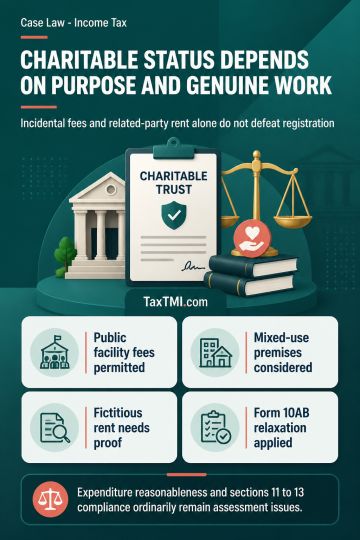
Charitable registration turns on predominant purpose and genuine activities, while incidental fees and related-party rent require supporting adverse m...
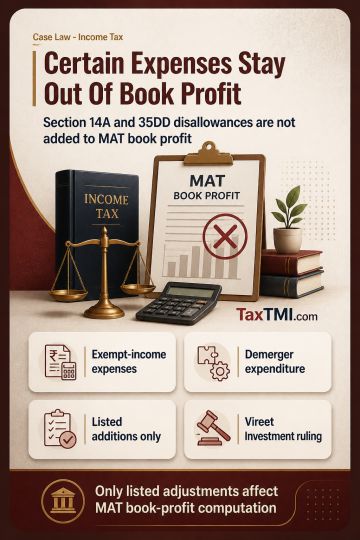
MAT book-profit adjustments exclude disallowances for exempt-income expenditure and demerger expenditure unless expressly listed under the statutory c...
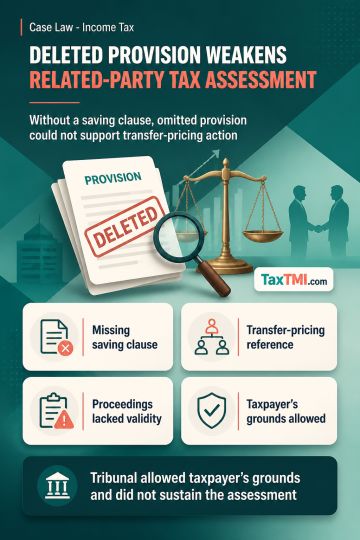
Omitted specified domestic transaction provision invalidates related-party expenditure transfer-pricing references and assessments based on consequent...
The petitioner-accused and the complainant-respondent settled the matter related to dishonor of cheque. The High Court accepted the prayer for compounding the offence u/s 147 of the Negotiable Instruments Act, 1881, following the Supreme Court's guidelines in Damodar S. Prabhu v. Sayed Babalal H. Noting the non-obstante clause in Section 147, the Court held that compounding is controlled by this provision, not Section 320 of CrPC. Relying on K. Subramanian v. R. Rajathi, the Court allowed compounding even after conviction. Consequently, the conviction and sentence were quashed, and the petitioner-accused was acquitted u/s 138 of the Act.
The petitioner-accused and the complainant-respondent settled the matter related to dishonor of cheque. The High Court accepted the prayer for compounding the offence u/s 147 of the Negotiable Instruments Act, 1881, following the Supreme Court's guidelines in Damodar S. Prabhu v. Sayed Babalal H. Noting the non-obstante clause in Section 147, the Court held that compounding is controlled by this provision, not Section 320 of CrPC. Relying on K. Subramanian v. R. Rajathi, the Court allowed compounding even after conviction. Consequently, the conviction and sentence were quashed, and the petitioner-accused was acquitted u/s 138 of the Act.
Note: It is a system-generated summary and is for quick reference only.
 TaxTMI
  TaxTMI
 of 4819







 Join Channel