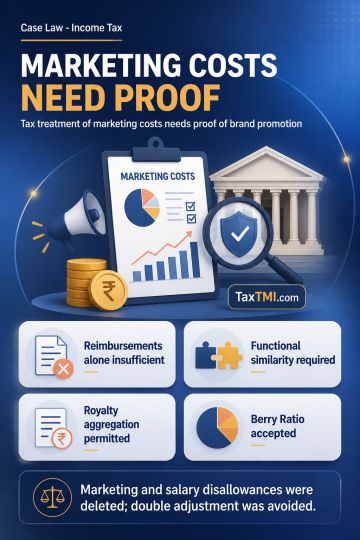
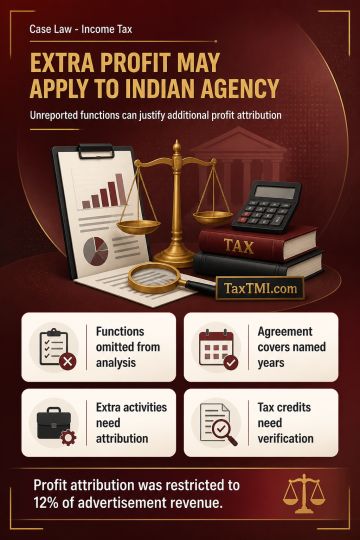
Transfer pricing requires evidence for AMP transactions, functionally reliable comparables, and appropriate aggregation or Berry Ratio benchmarking me...
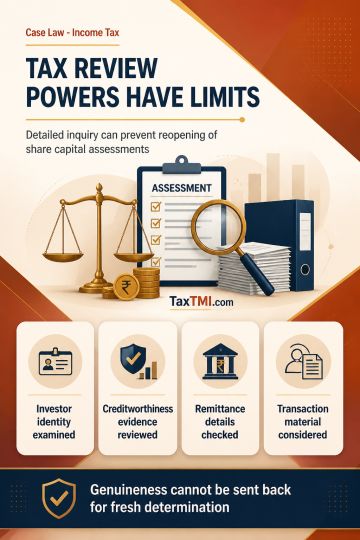
Revisionary jurisdiction cannot reopen share capital assessments where adequate inquiry supports a permissible view and no independent error is establ...
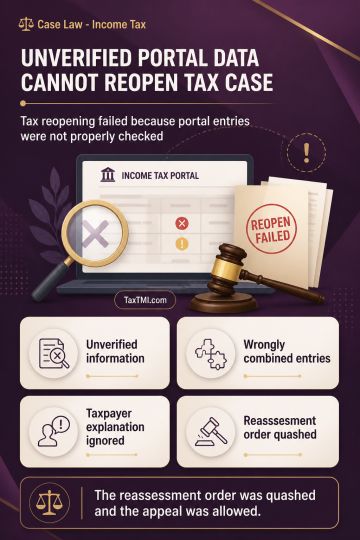
Reassessment jurisdiction fails where unverified portal information is aggregated without examining the taxpayer's explanation or relevance of entries...
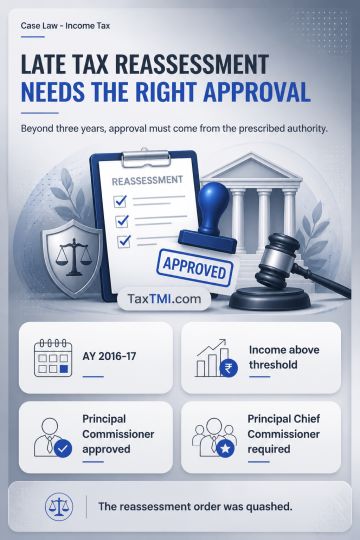
Statutory sanction for delayed reassessment requires approval from the prescribed authority; approval by an inferior authority invalidates jurisdictio...
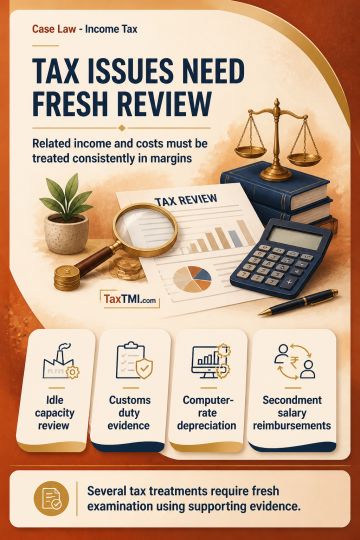
Transfer pricing margin adjustments require matching treatment of non-operating income and related costs, with comparability issues reconsidered on ev...
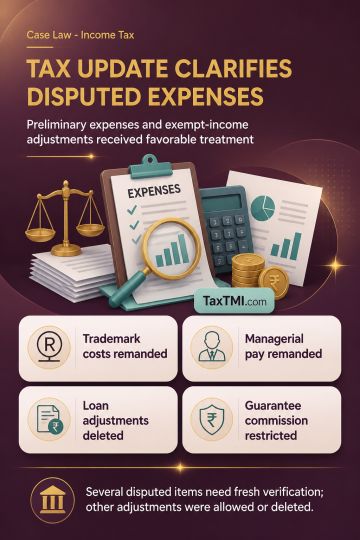
Preliminary-expense amortisation and MAT exempt-income adjustments prevailed, while trademark costs and managerial remuneration require fresh verifica...
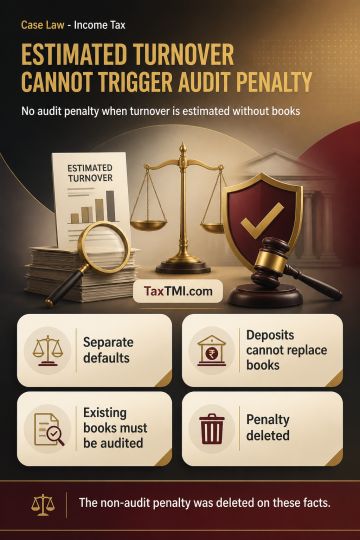
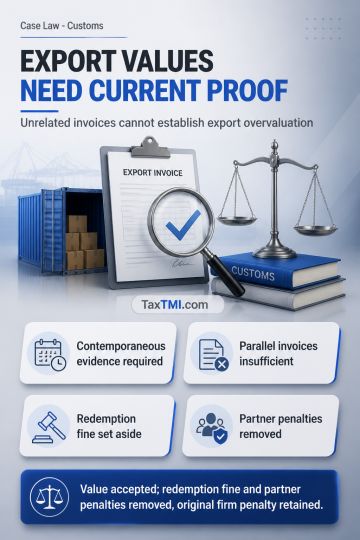
Export valuation requires contemporaneous evidence; unrelated invoices cannot prove overvaluation, and dual penalties on firm and partner are impermis...
The High Court allowed the petition and quashed the impugned order rejecting the petitioner's refund application for unutilized input tax credit. The court held that the Notification No. 14/2022 amending Rule 89(5) of the GST Rules is clarificatory and curative in nature, rectifying the anomaly in the refund formula. Relying on Supreme Court precedents, the court ruled that such a clarificatory amendment operates retrospectively. Therefore, the amended Rule 89(5) would apply to refund or rectification applications filed within the two-year period u/s 54(1) of the GST Act, irrespective of the Central Board of Indirect Taxes and Customs (CBIC) circular restricting its applicability prospectively. Denying retrospective benefit would discriminate against assessees who applied for refunds before the amendment's issuance. The court quashed the circular's clarification treating the amendment as prospective and allowed the petitioner's refund claim based on the rectified formula.
The High Court allowed the petition and quashed the impugned order rejecting the petitioner's refund application for unutilized input tax credit. The court held that the Notification No. 14/2022 amending Rule 89(5) of the GST Rules is clarificatory and curative in nature, rectifying the anomaly in the refund formula. Relying on Supreme Court precedents, the court ruled that such a clarificatory amendment operates retrospectively. Therefore, the amended Rule 89(5) would apply to refund or rectification applications filed within the two-year period u/s 54(1) of the GST Act, irrespective of the Central Board of Indirect Taxes and Customs (CBIC) circular restricting its applicability prospectively. Denying retrospective benefit would discriminate against assessees who applied for refunds before the amendment's issuance. The court quashed the circular's clarification treating the amendment as prospective and allowed the petitioner's refund claim based on the rectified formula.
Note: It is a system-generated summary and is for quick reference only.
 TaxTMI
 of 4801










 Join Channel


 TaxTMI
