Working-capital adjustment determines whether software-services transfer-pricing margins fall within the statutory tolerance range, eliminating any ad...
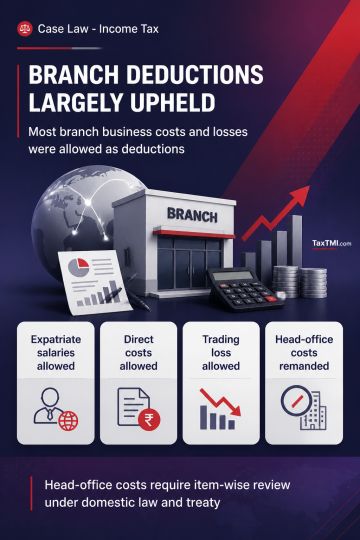
Permanent establishment deductions upheld for expatriate salaries, direct costs and trading losses, while head-office costs require fresh classificati...
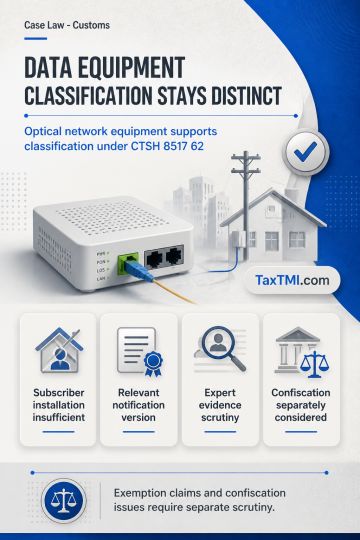
Data transmission equipment classification under CTSH 8517 62 remains distinct from residual classification, with exemption evidence requiring scrutin...
The High Court held that the writ petition challenging the respondent Bank's actions in not releasing amounts deposited in an Escrow Account for payment of statutory liabilities like GST from 2017 onwards is maintainable, despite other disputes being adjudicated before the Debts Recovery Tribunal. The Bank's adjustments to the receivables in the Escrow Account for loan repayment, resulting in non-compliance with statutory requirements like filing GSTR-3B and non-payment of GST, constituted a breach of the Escrow Agreement. The petitioner Company did not have control or the right to operate the Escrow Account, which was to be operated by the respondent Bank as per the Agreement. Consequently, the writ petition was allowed.
The High Court held that the writ petition challenging the respondent Bank's actions in not releasing amounts deposited in an Escrow Account for payment of statutory liabilities like GST from 2017 onwards is maintainable, despite other disputes being adjudicated before the Debts Recovery Tribunal. The Bank's adjustments to the receivables in the Escrow Account for loan repayment, resulting in non-compliance with statutory requirements like filing GSTR-3B and non-payment of GST, constituted a breach of the Escrow Agreement. The petitioner Company did not have control or the right to operate the Escrow Account, which was to be operated by the respondent Bank as per the Agreement. Consequently, the writ petition was allowed.
Note: It is a system-generated summary and is for quick reference only.
 TaxTMI
  TaxTMI
 of 4807














 Join Channel