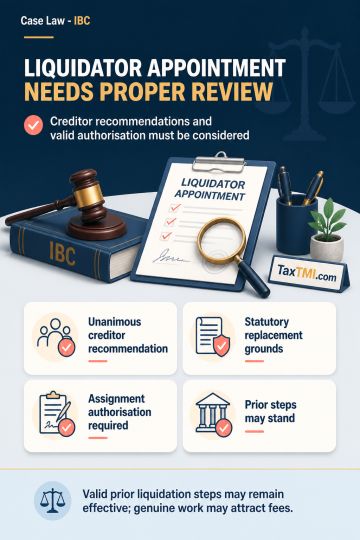
Liquidator appointment under Section 34 requires consideration of creditor recommendations, valid professional authorisation, and preservation of vali...
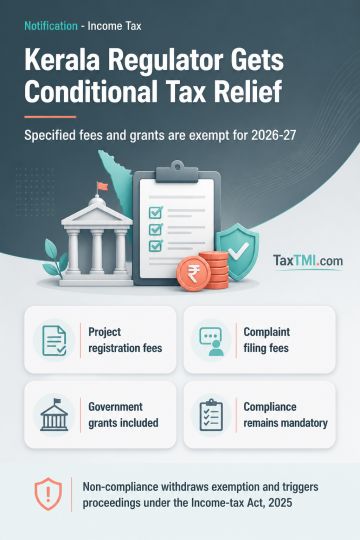
Income-tax exemption for specified regulatory fees and government grants applies subject to non-commercial activity and continuing compliance conditio...
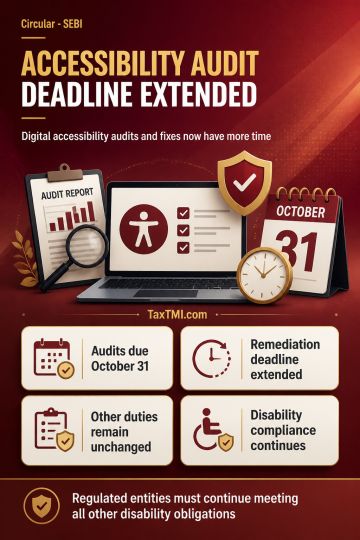
Digital accessibility audit and remediation deadlines extended, while all other disability-compliance obligations for regulated entities remain unchan...
The High Court held that the writ petition challenging the respondent Bank's actions in not releasing amounts deposited in an Escrow Account for payment of statutory liabilities like GST from 2017 onwards is maintainable, despite other disputes being adjudicated before the Debts Recovery Tribunal. The Bank's adjustments to the receivables in the Escrow Account for loan repayment, resulting in non-compliance with statutory requirements like filing GSTR-3B and non-payment of GST, constituted a breach of the Escrow Agreement. The petitioner Company did not have control or the right to operate the Escrow Account, which was to be operated by the respondent Bank as per the Agreement. Consequently, the writ petition was allowed.
The High Court held that the writ petition challenging the respondent Bank's actions in not releasing amounts deposited in an Escrow Account for payment of statutory liabilities like GST from 2017 onwards is maintainable, despite other disputes being adjudicated before the Debts Recovery Tribunal. The Bank's adjustments to the receivables in the Escrow Account for loan repayment, resulting in non-compliance with statutory requirements like filing GSTR-3B and non-payment of GST, constituted a breach of the Escrow Agreement. The petitioner Company did not have control or the right to operate the Escrow Account, which was to be operated by the respondent Bank as per the Agreement. Consequently, the writ petition was allowed.
Note: It is a system-generated summary and is for quick reference only.
 TaxTMI
 of 4805




 Join Channel


 TaxTMI