Arrest safeguards and transit remand requirements invalidated detention following inter-State transfer without communicated grounds or magistrate auth...
Arrest safeguards require disclosed grounds, relative intimation and transit remand, while duplicate prosecution under the CGST framework is unsustain...
Document Identification Number defects can invalidate GST assessments, with delayed challenges entertained conditionally where patent irregularities e...
Windmill commissioning evidence supported higher depreciation where grid connection and electricity generation proved operational use before the relev...
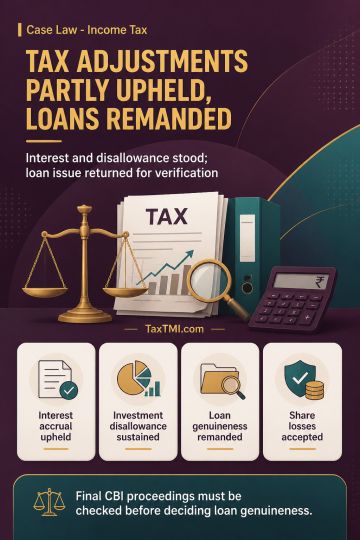
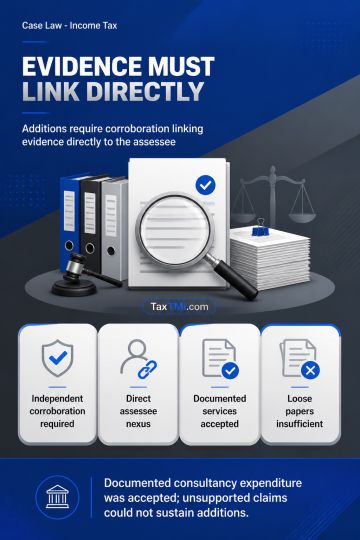
Pharmaceutical promotion and transfer-pricing comparability principles limited disallowances, while uncorroborated search allegations and unsupported ...
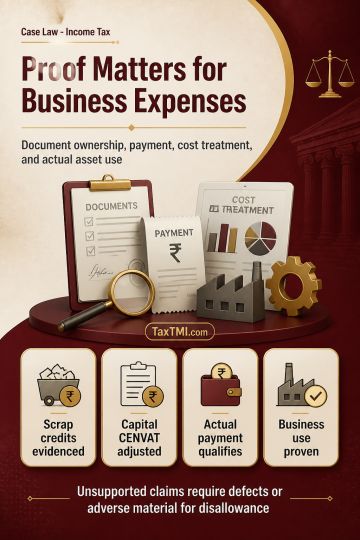
Business expenditure substantiation supports scrap credits, statutory payments and expense claims, while depreciation requires proof of actual busines...
The High Court cancelled the bail granted to the respondent Gautam Garg, finding that the lower court had misconstrued the facts and legal position u/s 132 of the CGST Act. The Court held that the absence of material indicating the accused as the manager of the firms is not essential for prosecution u/s 132, which covers those who "cause to commit" offenses related to availing input tax credit without issuing invoices or supplying goods. The legislature amended Section 132 to catch hold of offenders enabling companies to avail input credit illegally. The Court found the respondent's arguments regarding accountability of only individuals engaged in management unsustainable and observed that while considering bail, courts should not delve into the legality of arrest unless there is a gross violation.
The High Court cancelled the bail granted to the respondent Gautam Garg, finding that the lower court had misconstrued the facts and legal position u/s 132 of the CGST Act. The Court held that the absence of material indicating the accused as the manager of the firms is not essential for prosecution u/s 132, which covers those who "cause to commit" offenses related to availing input tax credit without issuing invoices or supplying goods. The legislature amended Section 132 to catch hold of offenders enabling companies to avail input credit illegally. The Court found the respondent's arguments regarding accountability of only individuals engaged in management unsustainable and observed that while considering bail, courts should not delve into the legality of arrest unless there is a gross violation.
Note: It is a system-generated summary and is for quick reference only.
 TaxTMI
 of 4790


















 Join Channel


 TaxTMI
