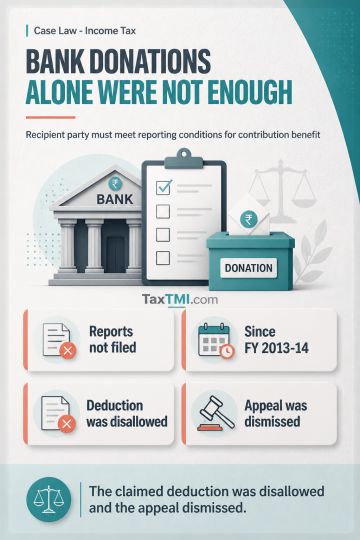
Political contribution deductions require recipient party compliance with contribution-reporting conditions; banking-channel donations alone do not qu...
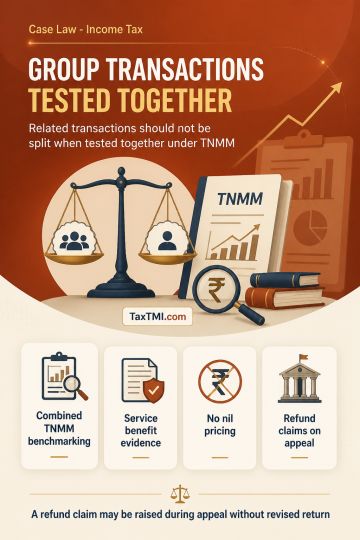
Aggregation under TNMM prevents selective testing of intra-group services without comparable uncontrolled transactions, while appellate additional cla...
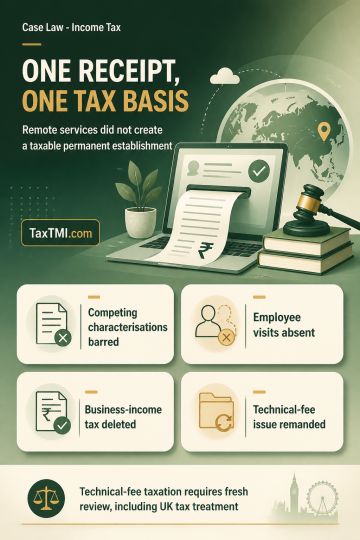
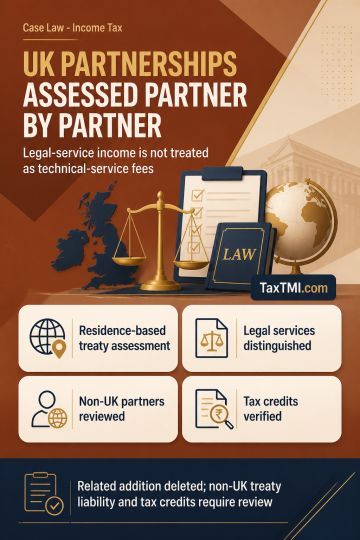
Protective assessment cannot duplicate identical receipts under competing characterisations; remote services did not establish a taxable permanent est...
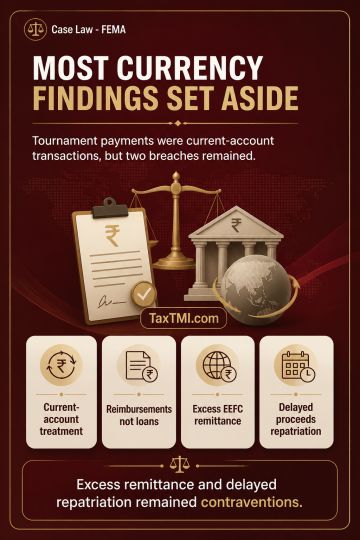
Current account treatment of overseas tournament services removed most FEMA findings, but excess EEFC remittance and delayed repatriation remained bre...
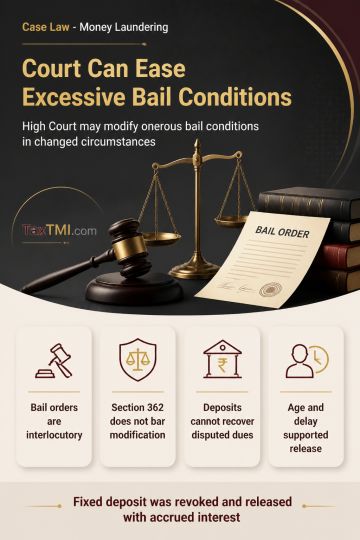
Modification of bail conditions remains available through inherent jurisdiction where onerous deposits undermine justice and cannot recover disputed d...
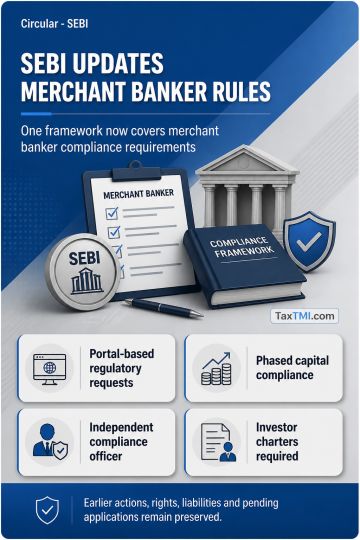
Merchant banker regulation consolidates registration, governance, capital, reporting, outsourcing and investor-protection requirements under an update...
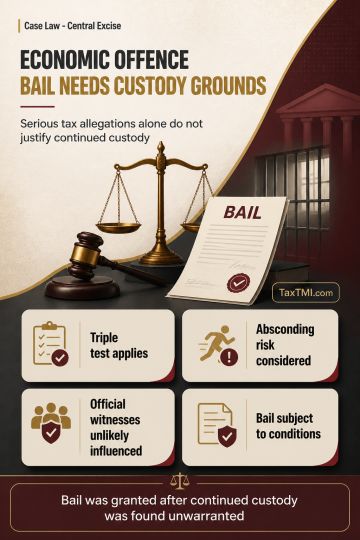
The High Court cancelled the bail granted to the respondent Gautam Garg, finding that the lower court had misconstrued the facts and legal position u/s 132 of the CGST Act. The Court held that the absence of material indicating the accused as the manager of the firms is not essential for prosecution u/s 132, which covers those who "cause to commit" offenses related to availing input tax credit without issuing invoices or supplying goods. The legislature amended Section 132 to catch hold of offenders enabling companies to avail input credit illegally. The Court found the respondent's arguments regarding accountability of only individuals engaged in management unsustainable and observed that while considering bail, courts should not delve into the legality of arrest unless there is a gross violation.
The High Court cancelled the bail granted to the respondent Gautam Garg, finding that the lower court had misconstrued the facts and legal position u/s 132 of the CGST Act. The Court held that the absence of material indicating the accused as the manager of the firms is not essential for prosecution u/s 132, which covers those who "cause to commit" offenses related to availing input tax credit without issuing invoices or supplying goods. The legislature amended Section 132 to catch hold of offenders enabling companies to avail input credit illegally. The Court found the respondent's arguments regarding accountability of only individuals engaged in management unsustainable and observed that while considering bail, courts should not delve into the legality of arrest unless there is a gross violation.
Note: It is a system-generated summary and is for quick reference only.
 TaxTMI
 of 4782






 Join Channel


 TaxTMI