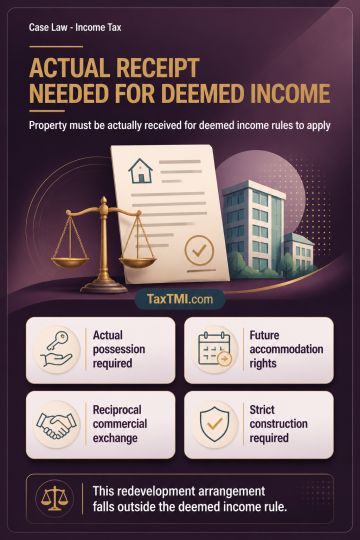
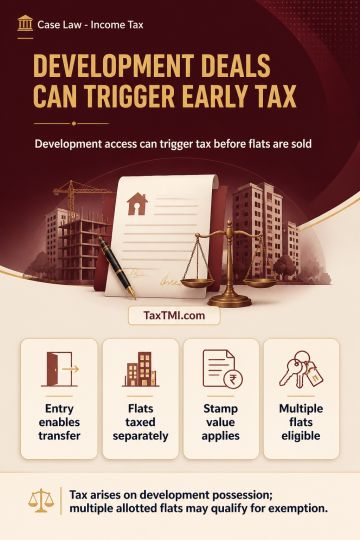
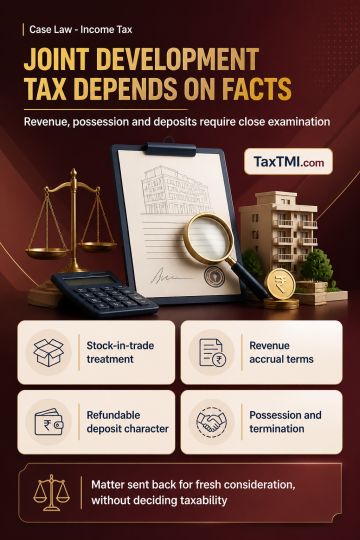
Receipt of immovable property requires actual possession or enjoyment; redevelopment allotments exchanged for tenancy rights fall outside deemed incom...
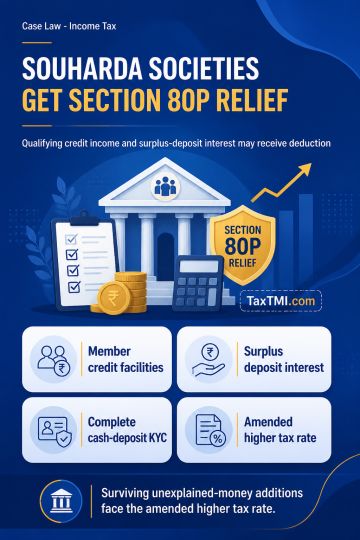
Section 80P deduction covers Souharda credit societies, including qualifying surplus-deposit interest, subject to member KYC verification for cash dep...
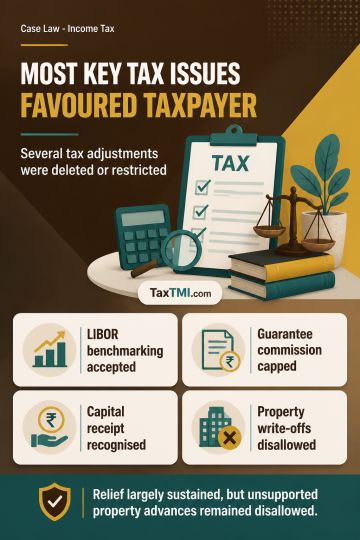
Transfer-pricing benchmarking and capital-receipt principles sustained taxpayer relief, while unsupported property-advance write-offs remained disallo...
The ITAT held that the order passed u/s 263 by the PCIT was in gross violation of the principles of natural justice. The Tribunal observed that the order disregarded the assessee's legal and factual submissions without any discussion or rebuttal, rendering the proceedings a mere formality. Furthermore, the Tribunal noted that the assessee had opted for the Vivad se Vishwas scheme, paid the due taxes, and provided judicial precedents supporting their claim for deduction u/s 10AA. The Assessing Officer, after considering the submissions, took a legally plausible view and did not disturb the deduction claim. The Tribunal also highlighted that several precedents have held that once an assessee opts for the Vivad se Vishwas scheme and pays taxes, the tax proceedings for that year cannot be re-agitated through Section 263 proceedings. Considering it was the ninth year of the deduction claim and the principle of consistency, the Tribunal ruled in favor of the assessee, setting aside the order passed u/s 263.
The ITAT held that the order passed u/s 263 by the PCIT was in gross violation of the principles of natural justice. The Tribunal observed that the order disregarded the assessee's legal and factual submissions without any discussion or rebuttal, rendering the proceedings a mere formality. Furthermore, the Tribunal noted that the assessee had opted for the Vivad se Vishwas scheme, paid the due taxes, and provided judicial precedents supporting their claim for deduction u/s 10AA. The Assessing Officer, after considering the submissions, took a legally plausible view and did not disturb the deduction claim. The Tribunal also highlighted that several precedents have held that once an assessee opts for the Vivad se Vishwas scheme and pays taxes, the tax proceedings for that year cannot be re-agitated through Section 263 proceedings. Considering it was the ninth year of the deduction claim and the principle of consistency, the Tribunal ruled in favor of the assessee, setting aside the order passed u/s 263.
Note: It is a system-generated summary and is for quick reference only.
 TaxTMI
 of 4798






 Join Channel


 TaxTMI