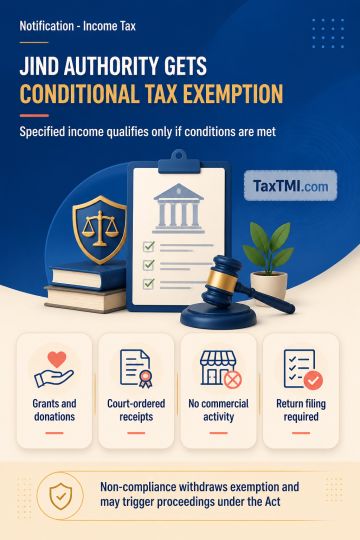
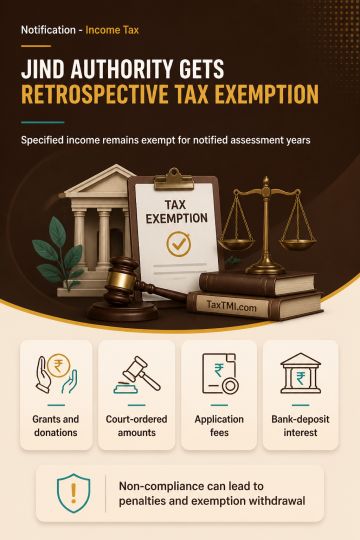
Tax exemption for specified legal-services authority income applies retrospectively, subject to non-commercial activity, unchanged income sources, and...
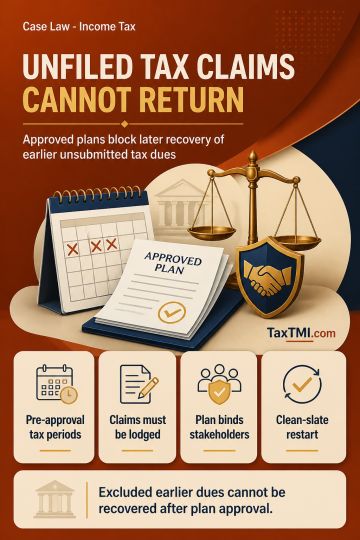
Approved resolution plans extinguish unsubmitted pre-approval tax claims, preventing later recovery outside the insolvency process and preserving a cl...
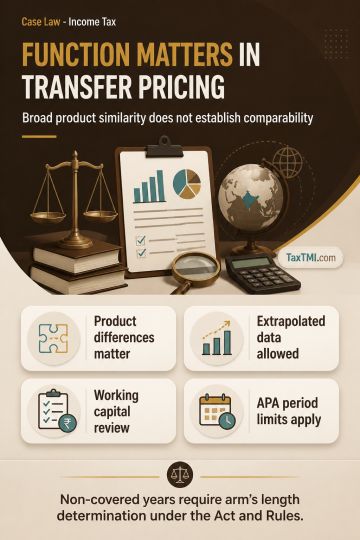
Transfer pricing comparability requires functional alignment and permits working capital adjustment, while APA margins cannot govern non-covered years...
The ITAT held that the order passed u/s 263 by the PCIT was in gross violation of the principles of natural justice. The Tribunal observed that the order disregarded the assessee's legal and factual submissions without any discussion or rebuttal, rendering the proceedings a mere formality. Furthermore, the Tribunal noted that the assessee had opted for the Vivad se Vishwas scheme, paid the due taxes, and provided judicial precedents supporting their claim for deduction u/s 10AA. The Assessing Officer, after considering the submissions, took a legally plausible view and did not disturb the deduction claim. The Tribunal also highlighted that several precedents have held that once an assessee opts for the Vivad se Vishwas scheme and pays taxes, the tax proceedings for that year cannot be re-agitated through Section 263 proceedings. Considering it was the ninth year of the deduction claim and the principle of consistency, the Tribunal ruled in favor of the assessee, setting aside the order passed u/s 263.
The ITAT held that the order passed u/s 263 by the PCIT was in gross violation of the principles of natural justice. The Tribunal observed that the order disregarded the assessee's legal and factual submissions without any discussion or rebuttal, rendering the proceedings a mere formality. Furthermore, the Tribunal noted that the assessee had opted for the Vivad se Vishwas scheme, paid the due taxes, and provided judicial precedents supporting their claim for deduction u/s 10AA. The Assessing Officer, after considering the submissions, took a legally plausible view and did not disturb the deduction claim. The Tribunal also highlighted that several precedents have held that once an assessee opts for the Vivad se Vishwas scheme and pays taxes, the tax proceedings for that year cannot be re-agitated through Section 263 proceedings. Considering it was the ninth year of the deduction claim and the principle of consistency, the Tribunal ruled in favor of the assessee, setting aside the order passed u/s 263.
Note: It is a system-generated summary and is for quick reference only.
 TaxTMI
 of 4798





 Join Channel


 TaxTMI
