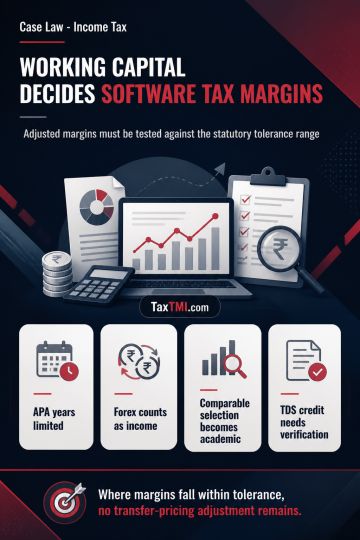
Working-capital adjustment determines whether software-services transfer-pricing margins fall within the statutory tolerance range, eliminating any ad...
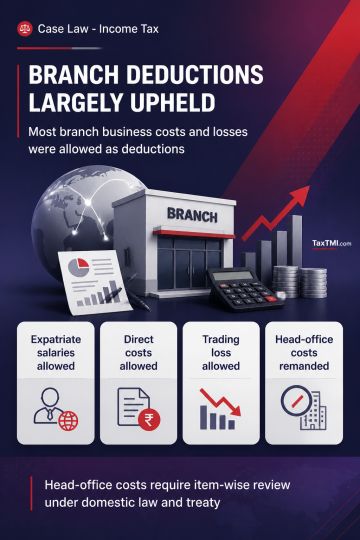
Permanent establishment deductions upheld for expatriate salaries, direct costs and trading losses, while head-office costs require fresh classificati...
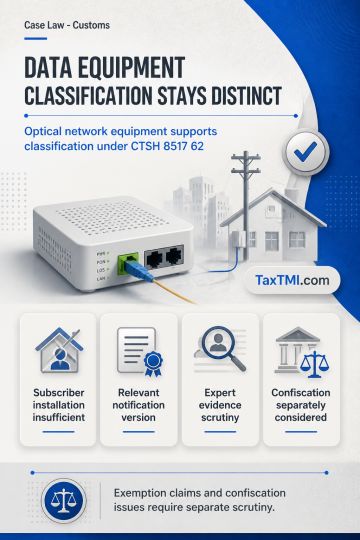
Data transmission equipment classification under CTSH 8517 62 remains distinct from residual classification, with exemption evidence requiring scrutin...
The Commissioner's rejection of the appellant's requests for conversion of DFIA Shipping Bills to Drawback Shipping Bills, relying on Para 3(a) of the CBIC Circular No. 36/2010-Customs, was held to be incorrect. The Gujarat High Court had previously ruled that Para 3(a) of the said Circular was ultra vires Articles 14 and 19(1)(g) of the Constitution of India and ultra vires Section 149 of the Customs Act, 1962. Since the Commissioner's rejection was solely based on the struck-down Para 3(a), the impugned order was held to be bad in law. Furthermore, under Para 4.28(e) of the Handbook of Procedures 2009-14, the appellant could apply for conversion after the DFIA licenses were cancelled, which they promptly did. No time limit was prescribed for seeking conversion. Consequently, the appellant was entitled to conversion of the Shipping Bills into drawback shipping bills. The CESTAT allowed the appeal.
The Commissioner's rejection of the appellant's requests for conversion of DFIA Shipping Bills to Drawback Shipping Bills, relying on Para 3(a) of the CBIC Circular No. 36/2010-Customs, was held to be incorrect. The Gujarat High Court had previously ruled that Para 3(a) of the said Circular was ultra vires Articles 14 and 19(1)(g) of the Constitution of India and ultra vires Section 149 of the Customs Act, 1962. Since the Commissioner's rejection was solely based on the struck-down Para 3(a), the impugned order was held to be bad in law. Furthermore, under Para 4.28(e) of the Handbook of Procedures 2009-14, the appellant could apply for conversion after the DFIA licenses were cancelled, which they promptly did. No time limit was prescribed for seeking conversion. Consequently, the appellant was entitled to conversion of the Shipping Bills into drawback shipping bills. The CESTAT allowed the appeal.
Note: It is a system-generated summary and is for quick reference only.
 TaxTMI
 of 4796




 Join Channel


 TaxTMI
