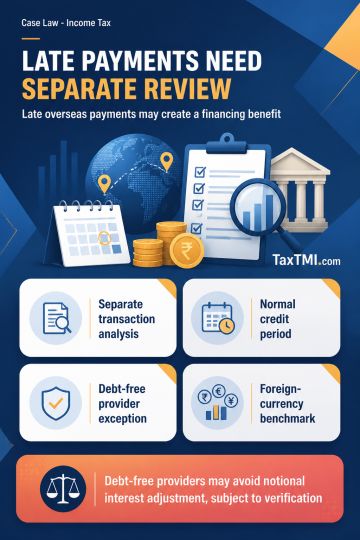
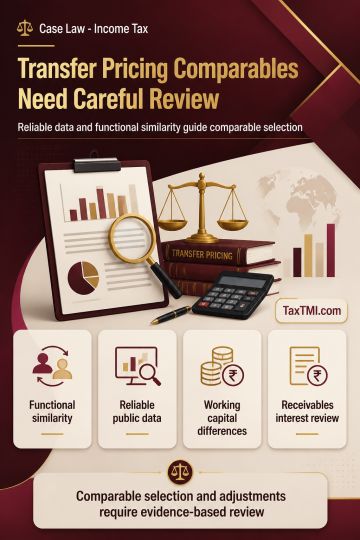
Transfer pricing comparability requires functional alignment, reliable financial data, and careful review of working capital and receivables adjustmen...
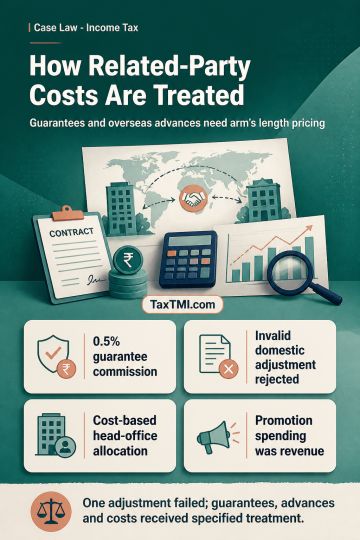
Transfer pricing rules require benchmarking corporate guarantees and associated-enterprise advances, while invalid domestic-transaction adjustments ca...
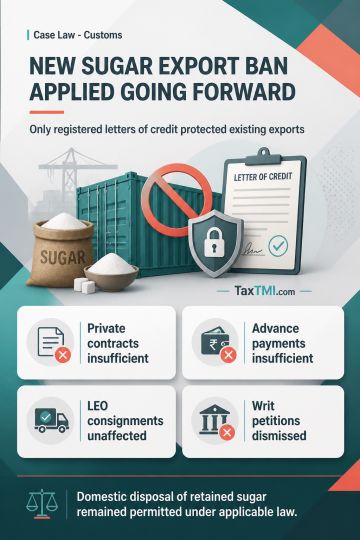
Prospective sugar export prohibition required registered letters of credit; private contracts and export quotas created no enforceable continuation ri...
Retroactive interim-moratorium exclusion permits protective asset disclosure and preservation measures against personal guarantors pending arbitration...
The Commissioner's rejection of the appellant's requests for conversion of DFIA Shipping Bills to Drawback Shipping Bills, relying on Para 3(a) of the CBIC Circular No. 36/2010-Customs, was held to be incorrect. The Gujarat High Court had previously ruled that Para 3(a) of the said Circular was ultra vires Articles 14 and 19(1)(g) of the Constitution of India and ultra vires Section 149 of the Customs Act, 1962. Since the Commissioner's rejection was solely based on the struck-down Para 3(a), the impugned order was held to be bad in law. Furthermore, under Para 4.28(e) of the Handbook of Procedures 2009-14, the appellant could apply for conversion after the DFIA licenses were cancelled, which they promptly did. No time limit was prescribed for seeking conversion. Consequently, the appellant was entitled to conversion of the Shipping Bills into drawback shipping bills. The CESTAT allowed the appeal.
The Commissioner's rejection of the appellant's requests for conversion of DFIA Shipping Bills to Drawback Shipping Bills, relying on Para 3(a) of the CBIC Circular No. 36/2010-Customs, was held to be incorrect. The Gujarat High Court had previously ruled that Para 3(a) of the said Circular was ultra vires Articles 14 and 19(1)(g) of the Constitution of India and ultra vires Section 149 of the Customs Act, 1962. Since the Commissioner's rejection was solely based on the struck-down Para 3(a), the impugned order was held to be bad in law. Furthermore, under Para 4.28(e) of the Handbook of Procedures 2009-14, the appellant could apply for conversion after the DFIA licenses were cancelled, which they promptly did. No time limit was prescribed for seeking conversion. Consequently, the appellant was entitled to conversion of the Shipping Bills into drawback shipping bills. The CESTAT allowed the appeal.
Note: It is a system-generated summary and is for quick reference only.
 TaxTMI
 of 4786



 Join Channel


 TaxTMI
