Cooperative society deposits, member-interest TDS exemption and credit-facility deduction claims require verification through records and supporting e...
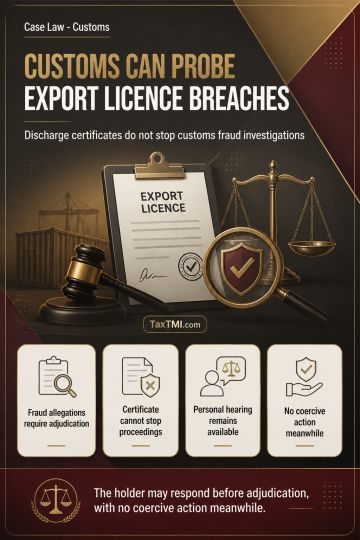
Customs jurisdiction over EPCG condition breaches survives export-obligation discharge certificates, requiring alleged fraud and misdeclaration to be ...
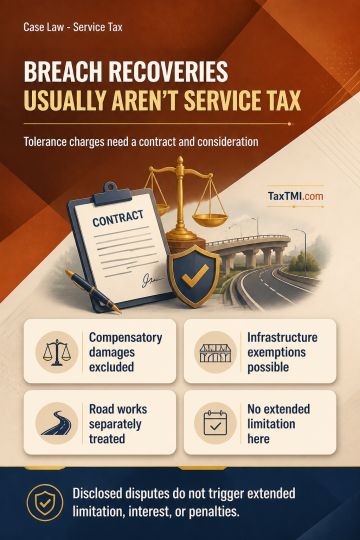
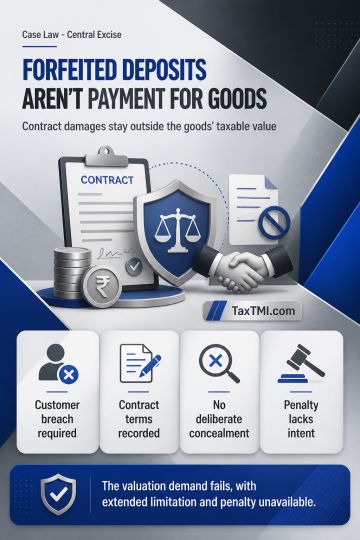
Contractual tolerance requires consideration; breach recoveries, qualifying public infrastructure services and road works escape service tax liability...
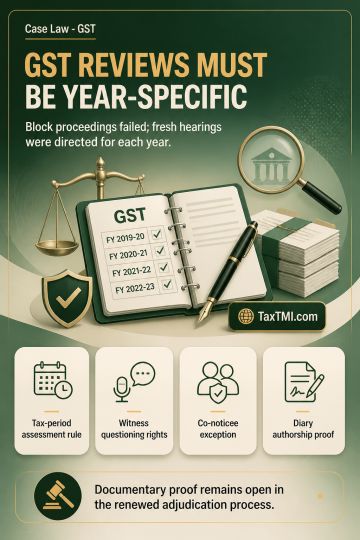
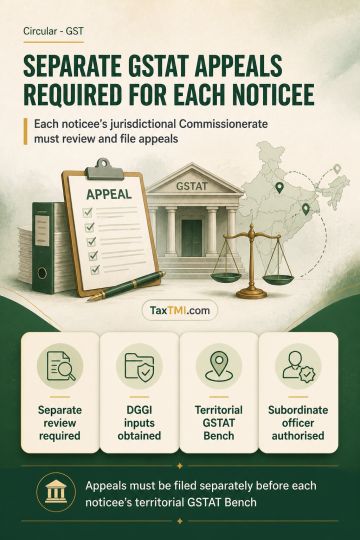
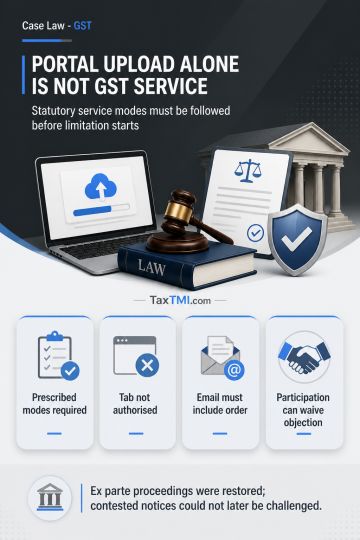
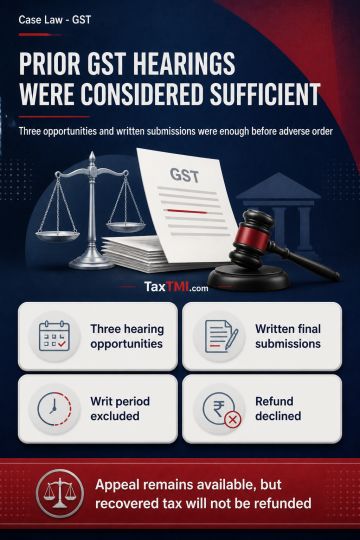
Personal hearing requirements in GST adjudication were satisfied by prior opportunities and written submissions; appellate limitation received writ-pe...
The CESTAT allowed the appeal filed by the Appellant against the demand of customs duty. The Tribunal held that the Appellant had obtained a bonded warehouse license u/s 58 of the Customs Act, 1962, and the manufacturing activity was carried out within the licensed premises in the knowledge of the Revenue authorities since 1986. Despite the impracticable conditions imposed under the license, the Revenue did not raise any objections for over 30 years. The Tribunal observed that there was no allegation of diversion or misuse of imported goods by the Appellant. The amendment to the license in 2017, enlarging the bonded area to the entire factory premises, was treated as a curative measure with retrospective effect from 2014. Consequently, the demands raised by invoking Sections 28 and 72 of the Customs Act were set aside by the Tribunal.
The CESTAT allowed the appeal filed by the Appellant against the demand of customs duty. The Tribunal held that the Appellant had obtained a bonded warehouse license u/s 58 of the Customs Act, 1962, and the manufacturing activity was carried out within the licensed premises in the knowledge of the Revenue authorities since 1986. Despite the impracticable conditions imposed under the license, the Revenue did not raise any objections for over 30 years. The Tribunal observed that there was no allegation of diversion or misuse of imported goods by the Appellant. The amendment to the license in 2017, enlarging the bonded area to the entire factory premises, was treated as a curative measure with retrospective effect from 2014. Consequently, the demands raised by invoking Sections 28 and 72 of the Customs Act were set aside by the Tribunal.
Note: It is a system-generated summary and is for quick reference only.
 TaxTMI
 of 4792





 Join Channel


 TaxTMI