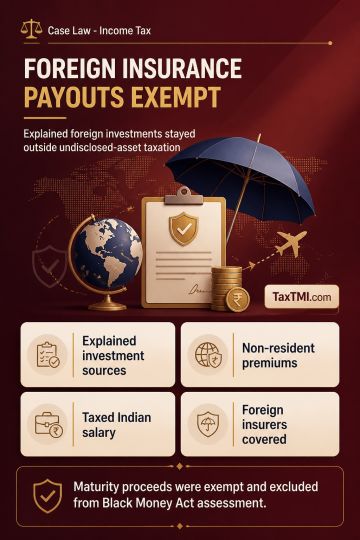
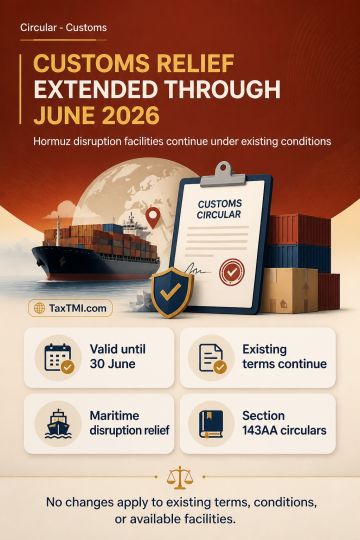
Customs relief for Strait of Hormuz maritime disruptions remains available, with existing conditions continuing unchanged through the extended validit...
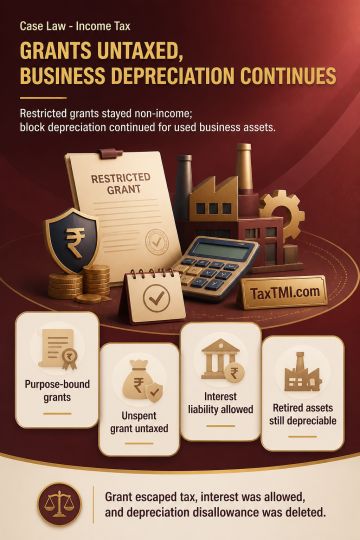
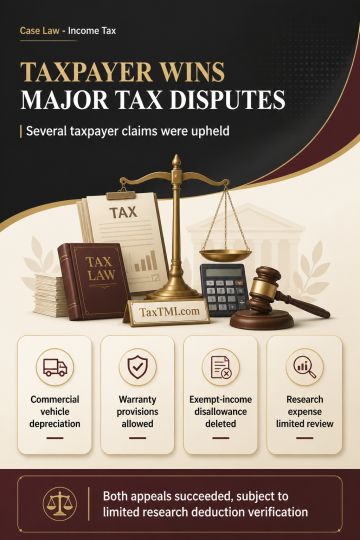
Commercial vehicle depreciation, scientifically determined warranty provisions and exempt-income disallowances were resolved in favour of the taxpayer...
The CESTAT held that insulin products manufactured using recombinant DNA technology would qualify as 'mono-component insulin' and are entitled to exemption under Notification No. 12/2012 Customs dated March 17, 2012, as they are lifesaving drugs. The classification of the imported insulin products is based on their content rather than source. The Tribunal accepted that 'mono-component' refers to the purity of insulin rather than its source, and there was no evidence that the disputed products had impurity levels higher than 1 PPM. The CESTAT upheld the classification of the imported insulin products under chapter heading 3004 31 10, making them eligible for the exemption as lifesaving drugs.
The CESTAT held that insulin products manufactured using recombinant DNA technology would qualify as 'mono-component insulin' and are entitled to exemption under Notification No. 12/2012 Customs dated March 17, 2012, as they are lifesaving drugs. The classification of the imported insulin products is based on their content rather than source. The Tribunal accepted that 'mono-component' refers to the purity of insulin rather than its source, and there was no evidence that the disputed products had impurity levels higher than 1 PPM. The CESTAT upheld the classification of the imported insulin products under chapter heading 3004 31 10, making them eligible for the exemption as lifesaving drugs.
Note: It is a system-generated summary and is for quick reference only.
 TaxTMI
 of 4786



 Join Channel


 TaxTMI