Rectification of mistake remains limited to self-evident record errors, preventing merits review through miscellaneous applications and preserving fin...
Tender creditworthiness conditions may extend to de facto Promoter Directors, with post-participation challenges generally barred absent arbitrariness...
Corporate representation in PMLA summons proceedings permitted through an authorised signatory, subject to directors' continuing cooperation and atten...
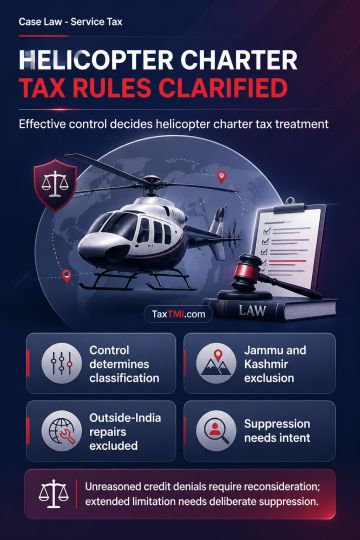
Helicopter charter classification requires effective control analysis, while territorial performance, reasoned credit orders and wilful suppression de...
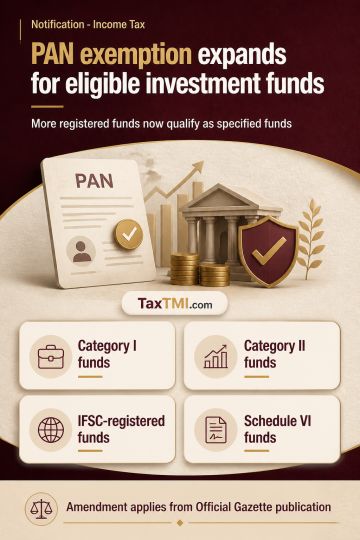
Specified fund definition expands PAN exemption eligibility for registered alternative investment funds and qualifying International Financial Service...
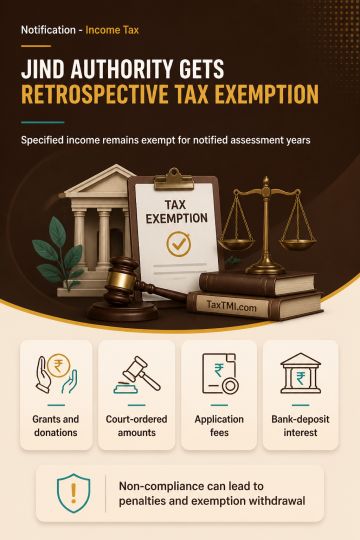
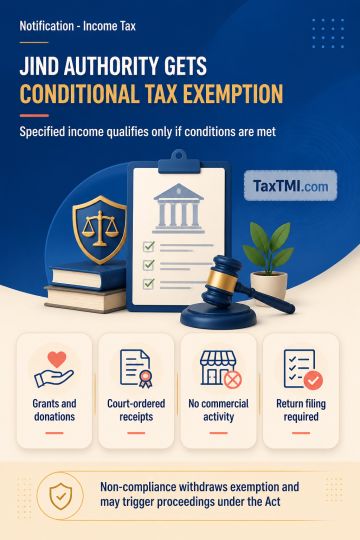
Tax exemption for specified legal-services authority income applies retrospectively, subject to non-commercial activity, unchanged income sources, and...
Page of 4792
Press 'Enter' after typing page number.
701 to 720 of 95833 Results
❮
❯
❯❯
0 / 200
Expand Note
Add to Folder
No Folders have been created
+
Are you sure you want to delete "My most important" ?
The NCLAT dismissed the appeal filed by the corporate debtor against the order admitting the application u/s 7 of the Insolvency and Bankruptcy Code (IBC) filed by the Union Bank of India. The NCLAT held that there was a clear acknowledgment of outstanding dues by the corporate debtor prior to the Section 10A period. During the 10A period, additional facilities were extended, and the statements of account indicated an overdue amount of more than Rs. 1 crore as of March 31, 2021. The NCLAT referred to the Supreme Court's judgment in Laxmi Pat Surana vs. Union Bank of India, which held that the date of declaration of a loan account as a Non-Performing Asset (NPA) can be reckoned as the date of default for initiating action u/s 7 of the IBC. The NCLAT observed that while defaults during the 10A period cannot be the basis for proceedings u/s 7, the corporate debtor had committed continuous defaults even after the 10A period, exceeding the threshold amount. Therefore, the NCLAT upheld the Adjudicating Authority's order admitting the Section 7 application.
The NCLAT dismissed the appeal filed by the corporate debtor against the order admitting the application u/s 7 of the Insolvency and Bankruptcy Code (IBC) filed by the Union Bank of India. The NCLAT held that there was a clear acknowledgment of outstanding dues by the corporate debtor prior to the Section 10A period. During the 10A period, additional facilities were extended, and the statements of account indicated an overdue amount of more than Rs. 1 crore as of March 31, 2021. The NCLAT referred to the Supreme Court's judgment in Laxmi Pat Surana vs. Union Bank of India, which held that the date of declaration of a loan account as a Non-Performing Asset (NPA) can be reckoned as the date of default for initiating action u/s 7 of the IBC. The NCLAT observed that while defaults during the 10A period cannot be the basis for proceedings u/s 7, the corporate debtor had committed continuous defaults even after the 10A period, exceeding the threshold amount. Therefore, the NCLAT upheld the Adjudicating Authority's order admitting the Section 7 application.
Note: It is a system-generated summary and is for quick reference only.
 TaxTMI
 of 4792












 Join Channel


 TaxTMI