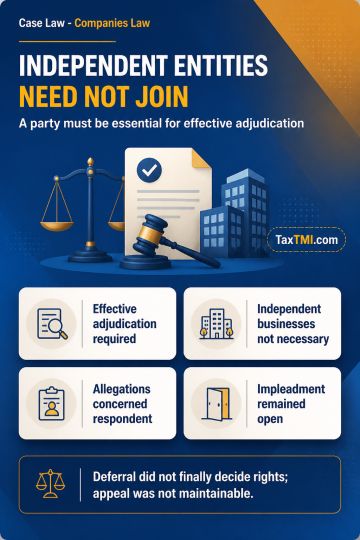
Necessary-party requirements limit impleadment of independent entities, while deferred consideration does not create an appealable adverse determinati...
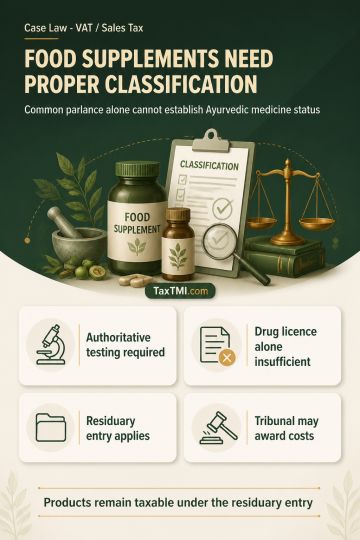
Food supplement classification requires common parlance and authoritative tests, preventing treatment as proprietary Ayurvedic medicines without suppo...
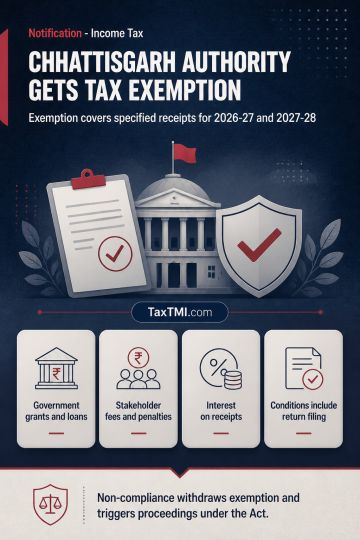
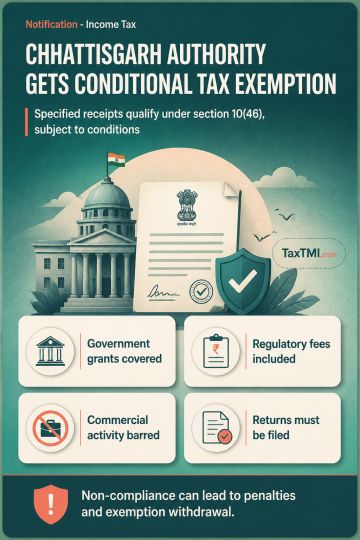
Specified regulatory authority income receives conditional tax exemption, subject to non-commercial activity, unchanged income character, and return f...
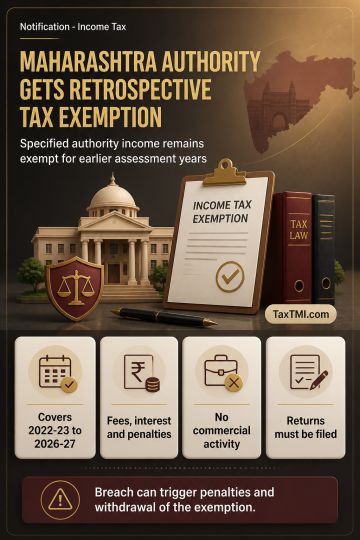
Tax exemption for regulatory authority income applies retrospectively, subject to non-commercial activity, unchanged income sources, and return-filing...
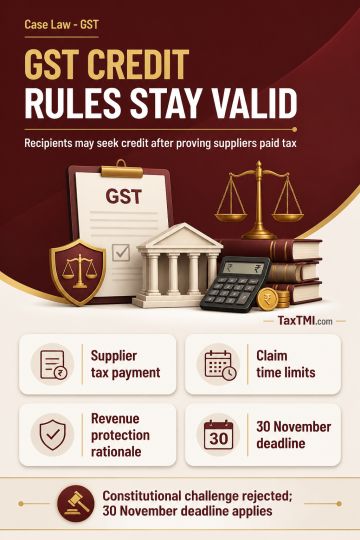
Input tax credit conditions remain constitutionally valid, with eligible recipient claims considered under GST circulars and retrospective filing dead...
The NCLAT dismissed the appeal filed by the corporate debtor against the order admitting the application u/s 7 of the Insolvency and Bankruptcy Code (IBC) filed by the Union Bank of India. The NCLAT held that there was a clear acknowledgment of outstanding dues by the corporate debtor prior to the Section 10A period. During the 10A period, additional facilities were extended, and the statements of account indicated an overdue amount of more than Rs. 1 crore as of March 31, 2021. The NCLAT referred to the Supreme Court's judgment in Laxmi Pat Surana vs. Union Bank of India, which held that the date of declaration of a loan account as a Non-Performing Asset (NPA) can be reckoned as the date of default for initiating action u/s 7 of the IBC. The NCLAT observed that while defaults during the 10A period cannot be the basis for proceedings u/s 7, the corporate debtor had committed continuous defaults even after the 10A period, exceeding the threshold amount. Therefore, the NCLAT upheld the Adjudicating Authority's order admitting the Section 7 application.
The NCLAT dismissed the appeal filed by the corporate debtor against the order admitting the application u/s 7 of the Insolvency and Bankruptcy Code (IBC) filed by the Union Bank of India. The NCLAT held that there was a clear acknowledgment of outstanding dues by the corporate debtor prior to the Section 10A period. During the 10A period, additional facilities were extended, and the statements of account indicated an overdue amount of more than Rs. 1 crore as of March 31, 2021. The NCLAT referred to the Supreme Court's judgment in Laxmi Pat Surana vs. Union Bank of India, which held that the date of declaration of a loan account as a Non-Performing Asset (NPA) can be reckoned as the date of default for initiating action u/s 7 of the IBC. The NCLAT observed that while defaults during the 10A period cannot be the basis for proceedings u/s 7, the corporate debtor had committed continuous defaults even after the 10A period, exceeding the threshold amount. Therefore, the NCLAT upheld the Adjudicating Authority's order admitting the Section 7 application.
Note: It is a system-generated summary and is for quick reference only.
 TaxTMI
 of 4792



 Join Channel


 TaxTMI