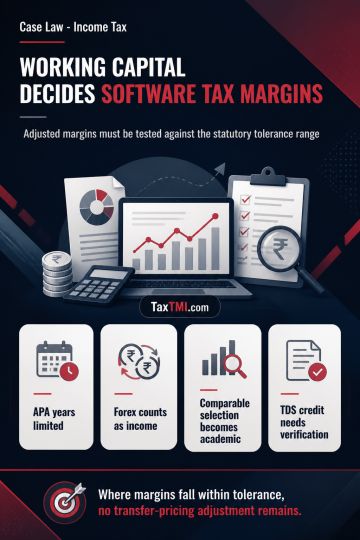
Working-capital adjustment determines whether software-services transfer-pricing margins fall within the statutory tolerance range, eliminating any ad...
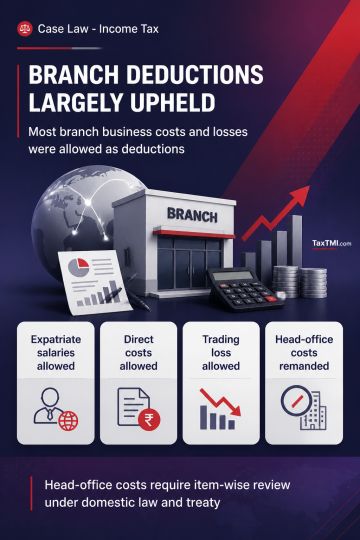
Permanent establishment deductions upheld for expatriate salaries, direct costs and trading losses, while head-office costs require fresh classificati...
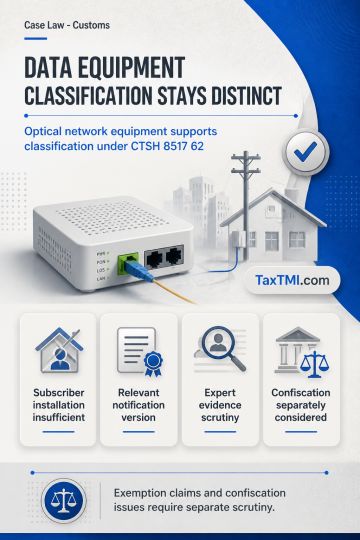
Data transmission equipment classification under CTSH 8517 62 remains distinct from residual classification, with exemption evidence requiring scrutin...
The High Court dismissed the writ petition. The petitioner failed to file GSTR-3B returns and discharge the tax liability, despite having self-assessed and filed GSTR-1. The court held there was no scope for exercising discretion by extending the payment period, as the petitioner ought to have filed GSTR-3B and paid the tax. Furthermore, more than two years had elapsed since the impugned order dated 13.04.2022, providing ample time for the petitioner to pay the amount during the pendency of the writ petition.
The High Court dismissed the writ petition. The petitioner failed to file GSTR-3B returns and discharge the tax liability, despite having self-assessed and filed GSTR-1. The court held there was no scope for exercising discretion by extending the payment period, as the petitioner ought to have filed GSTR-3B and paid the tax. Furthermore, more than two years had elapsed since the impugned order dated 13.04.2022, providing ample time for the petitioner to pay the amount during the pendency of the writ petition.
Note: It is a system-generated summary and is for quick reference only.
 TaxTMI
 of 4805









 Join Channel


 TaxTMI