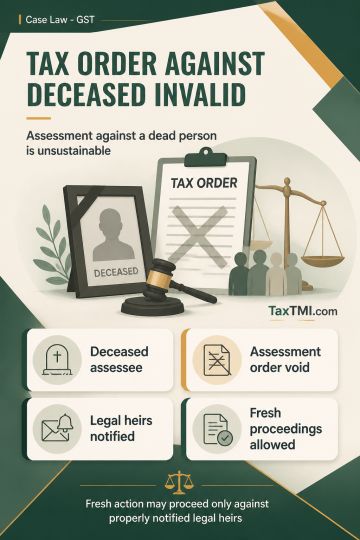
Mutual fund maturity rules require proper rollover, redemption, disclosure, and due diligence; investor gains cannot excuse regulatory breaches or pen...
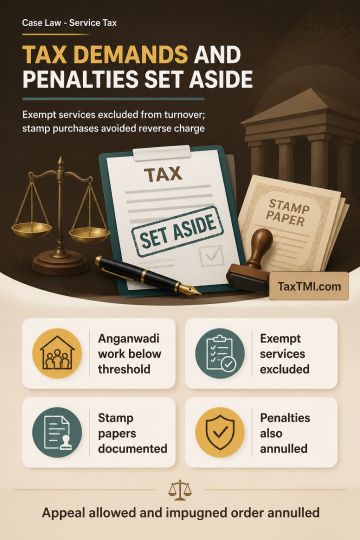
Threshold exemption excludes exempt services, while stamp-paper purchases avoid reverse charge; consequential service tax penalties were also set asid...
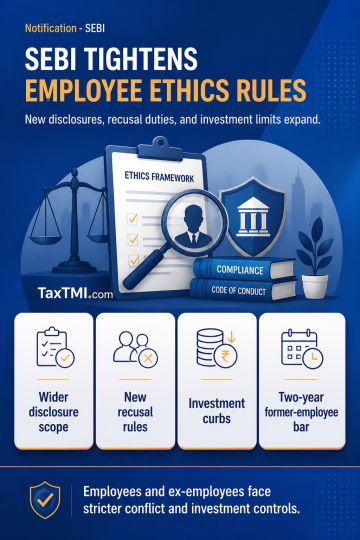
Employee conflict disclosures and investment restrictions expand with new recusal duties, post-employment limits, and compliance reporting requirement...
The High Court held that the reassessment proceedings initiated by the Assessing Officer based on an audit objection were invalid. The Court observed that the Assessing Officer could not have assumed jurisdiction by relying on the audit objection, which was contrary to the facts and evidence on record, especially when the department had previously accepted and granted depreciation on the goodwill claimed by the assessee for earlier years. The Court emphasized that even though an audit objection can be considered as "information" for reopening an assessment u/s 148 of the Act, the Assessing Officer cannot merely reiterate the audit objection while ignoring the facts of the case and the assessee's reply filed u/s 148A(b).
The High Court held that the reassessment proceedings initiated by the Assessing Officer based on an audit objection were invalid. The Court observed that the Assessing Officer could not have assumed jurisdiction by relying on the audit objection, which was contrary to the facts and evidence on record, especially when the department had previously accepted and granted depreciation on the goodwill claimed by the assessee for earlier years. The Court emphasized that even though an audit objection can be considered as "information" for reopening an assessment u/s 148 of the Act, the Assessing Officer cannot merely reiterate the audit objection while ignoring the facts of the case and the assessee's reply filed u/s 148A(b).
Note: It is a system-generated summary and is for quick reference only.
 TaxTMI
 of 4807








 Join Channel


 TaxTMI