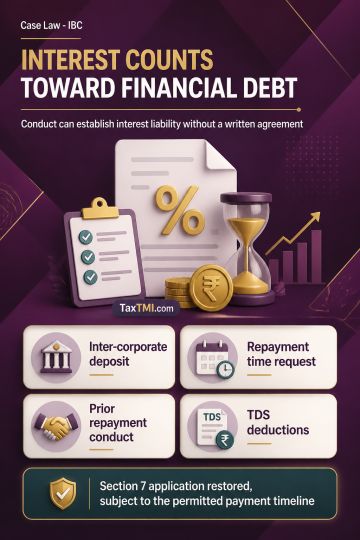
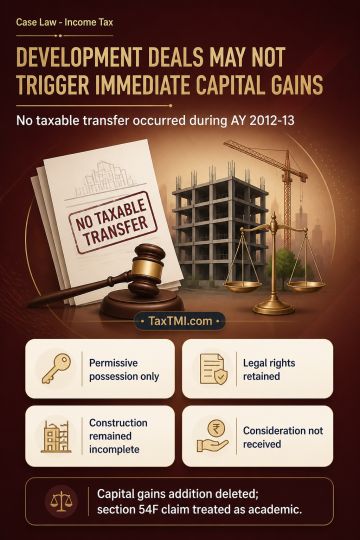
Development agreements require legal possession or effective enjoyment for capital gains transfer; permissive possession and deferred consideration de...
Prolonged sterilisation of development rights supports capital-gains treatment, while business-income disallowances cannot govern capital-gains comput...
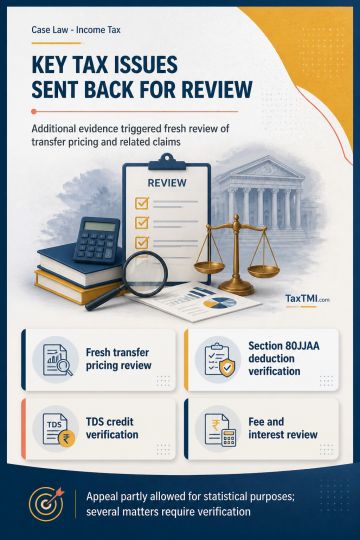
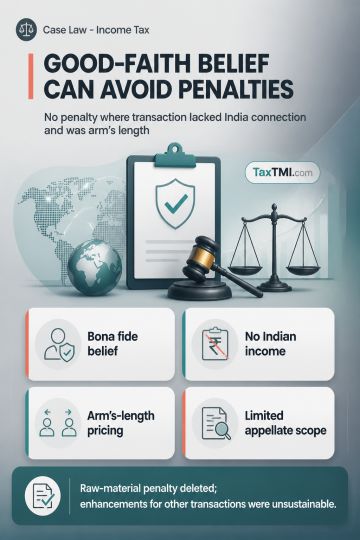
Additional evidence in transfer pricing dispute leads to fresh examination, while tax deductions, TDS credit, fee and refund interest require verifica...
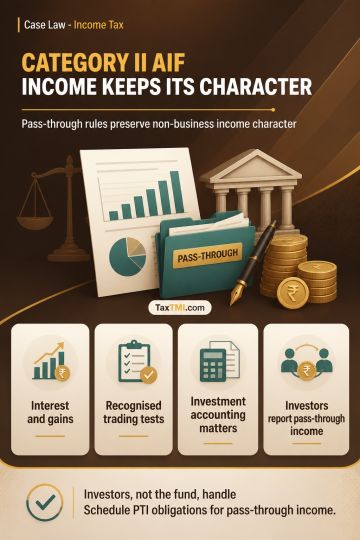
Category II AIF pass-through taxation preserves non-business income character; investment receipts cannot be reclassified without applying recognised ...
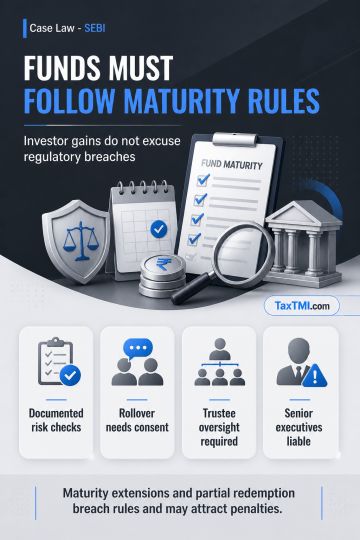
Mutual fund maturity rules require proper rollover, redemption, disclosure, and due diligence; investor gains cannot excuse regulatory breaches or pen...
The CESTAT upheld the confiscation of 14200 kg of battery scrap of foreign origin which was smuggled through unauthorized routes from Nepal. The appellant was found to be the mastermind and penalized Rs.25,000/-, which was not considered excessive given that battery scrap falls under hazardous goods category. The appellant's claim of procuring the scrap locally could not be substantiated as used batteries cannot be freely traded per the Batteries (Management and Handling) Rules, 2001. The retraction of statements by co-noticees during adjudication was not given merit. The penalty on the appellant's accomplice, responsible for arranging invoices, was reduced to Rs.17,500/-. The appeal was partly allowed.
The CESTAT upheld the confiscation of 14200 kg of battery scrap of foreign origin which was smuggled through unauthorized routes from Nepal. The appellant was found to be the mastermind and penalized Rs.25,000/-, which was not considered excessive given that battery scrap falls under hazardous goods category. The appellant's claim of procuring the scrap locally could not be substantiated as used batteries cannot be freely traded per the Batteries (Management and Handling) Rules, 2001. The retraction of statements by co-noticees during adjudication was not given merit. The penalty on the appellant's accomplice, responsible for arranging invoices, was reduced to Rs.17,500/-. The appeal was partly allowed.
Note: It is a system-generated summary and is for quick reference only.
 TaxTMI
 of 4807








 Join Channel


 TaxTMI