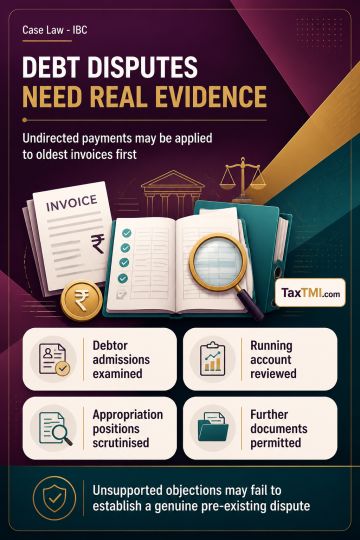
Pre-existing operational debt disputes require genuine evidence, while undirected running-account payments may be appropriated on a first-in-first-out...
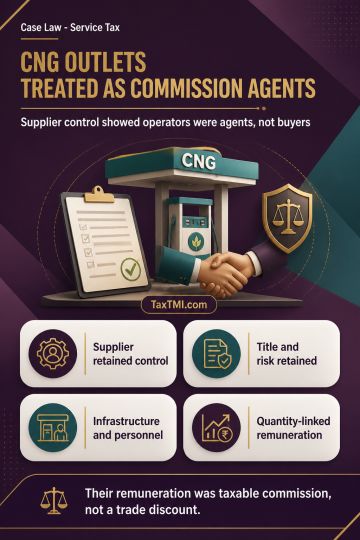
Agency in CNG distribution makes outlet operators commission agents, rendering taxable Business Auxiliary Service rather than purchasing goods for res...
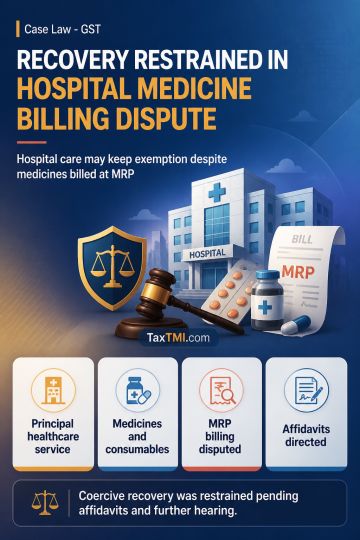
Composite inpatient healthcare supply may retain exemption despite MRP medicine billing, while separate taxable sale characterisation remains disputed...
The High Court upheld the validity of Regulation 3(2)(b)(i) of the SEBI (Delisting of Equity Shares) Regulations, 2021, which exempts the delisting of shares pursuant to an approved resolution plan under the Insolvency and Bankruptcy Code (IBC) from SEBI's delisting regulations. The court ruled that the IBC, being a later and overriding legislation, would prevail over the SEBI Act in case of conflict. The delisting under the IBC resolution plan cannot be considered ultra vires. The court rejected the challenge to the NCLT order approving the resolution plan for delisting the shares of Reliance Capital Limited, holding that the petitioner's lack of notice argument was misconceived given the IBC provisions and limited scope of judicial review.
The High Court upheld the validity of Regulation 3(2)(b)(i) of the SEBI (Delisting of Equity Shares) Regulations, 2021, which exempts the delisting of shares pursuant to an approved resolution plan under the Insolvency and Bankruptcy Code (IBC) from SEBI's delisting regulations. The court ruled that the IBC, being a later and overriding legislation, would prevail over the SEBI Act in case of conflict. The delisting under the IBC resolution plan cannot be considered ultra vires. The court rejected the challenge to the NCLT order approving the resolution plan for delisting the shares of Reliance Capital Limited, holding that the petitioner's lack of notice argument was misconceived given the IBC provisions and limited scope of judicial review.
Note: It is a system-generated summary and is for quick reference only.
 TaxTMI
 of 4805





 Join Channel


 TaxTMI
