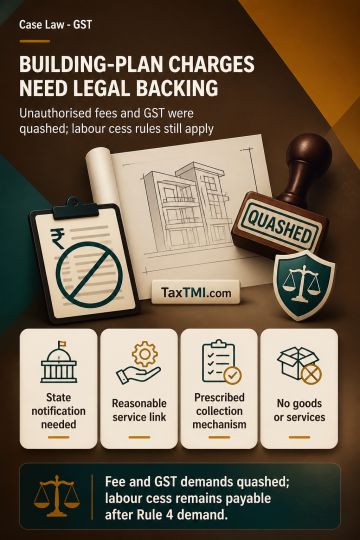
Building-plan sanction charges require statutory authority; unauthorised fees and GST were quashed, while labour cess must follow prescribed collectio...
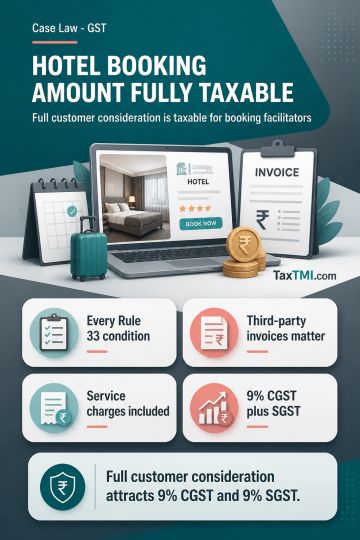
Pure-agent exclusion fails where hotel booking facilitators receive third-party services themselves, making entire customer consideration taxable as r...
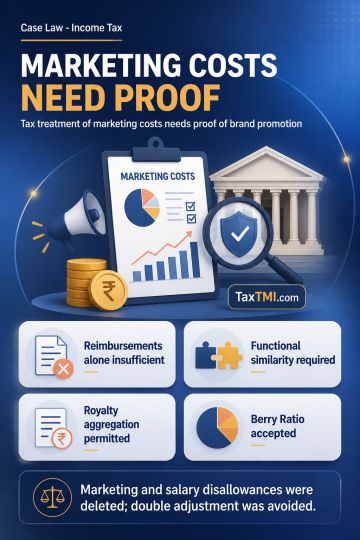
Transfer pricing requires evidence for AMP transactions, functionally reliable comparables, and appropriate aggregation or Berry Ratio benchmarking me...
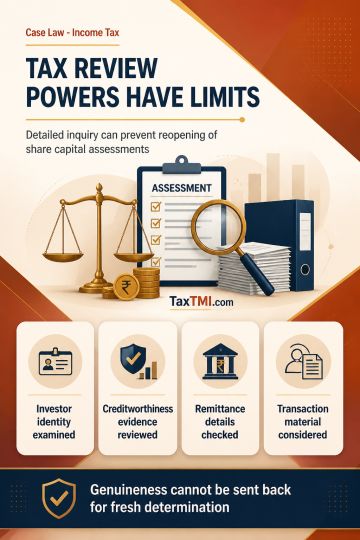
Revisionary jurisdiction cannot reopen share capital assessments where adequate inquiry supports a permissible view and no independent error is establ...
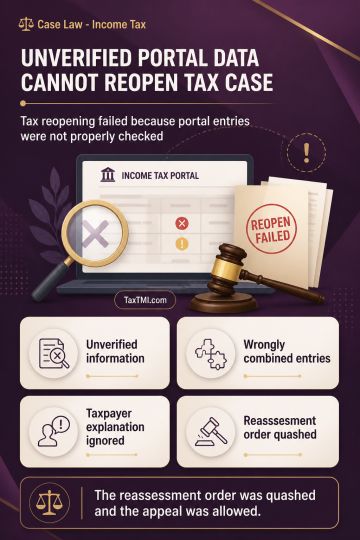
Reassessment jurisdiction fails where unverified portal information is aggregated without examining the taxpayer's explanation or relevance of entries...
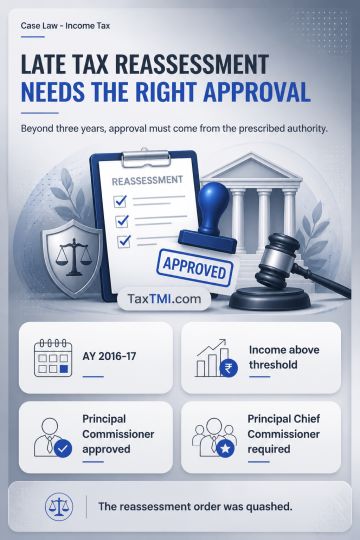
Statutory sanction for delayed reassessment requires approval from the prescribed authority; approval by an inferior authority invalidates jurisdictio...
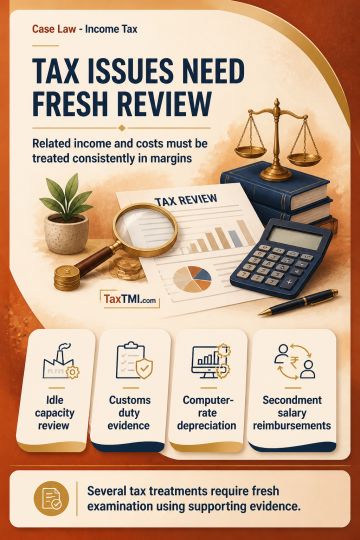
Transfer pricing margin adjustments require matching treatment of non-operating income and related costs, with comparability issues reconsidered on ev...
The High Court upheld the validity of Regulation 3(2)(b)(i) of the SEBI (Delisting of Equity Shares) Regulations, 2021, which exempts the delisting of shares pursuant to an approved resolution plan under the Insolvency and Bankruptcy Code (IBC) from SEBI's delisting regulations. The court ruled that the IBC, being a later and overriding legislation, would prevail over the SEBI Act in case of conflict. The delisting under the IBC resolution plan cannot be considered ultra vires. The court rejected the challenge to the NCLT order approving the resolution plan for delisting the shares of Reliance Capital Limited, holding that the petitioner's lack of notice argument was misconceived given the IBC provisions and limited scope of judicial review.
The High Court upheld the validity of Regulation 3(2)(b)(i) of the SEBI (Delisting of Equity Shares) Regulations, 2021, which exempts the delisting of shares pursuant to an approved resolution plan under the Insolvency and Bankruptcy Code (IBC) from SEBI's delisting regulations. The court ruled that the IBC, being a later and overriding legislation, would prevail over the SEBI Act in case of conflict. The delisting under the IBC resolution plan cannot be considered ultra vires. The court rejected the challenge to the NCLT order approving the resolution plan for delisting the shares of Reliance Capital Limited, holding that the petitioner's lack of notice argument was misconceived given the IBC provisions and limited scope of judicial review.
Note: It is a system-generated summary and is for quick reference only.
 TaxTMI
 of 4803











 Join Channel


 TaxTMI
