Arrest safeguards and transit remand requirements invalidated detention following inter-State transfer without communicated grounds or magistrate auth...
Arrest safeguards require disclosed grounds, relative intimation and transit remand, while duplicate prosecution under the CGST framework is unsustain...
Document Identification Number defects can invalidate GST assessments, with delayed challenges entertained conditionally where patent irregularities e...
Windmill commissioning evidence supported higher depreciation where grid connection and electricity generation proved operational use before the relev...
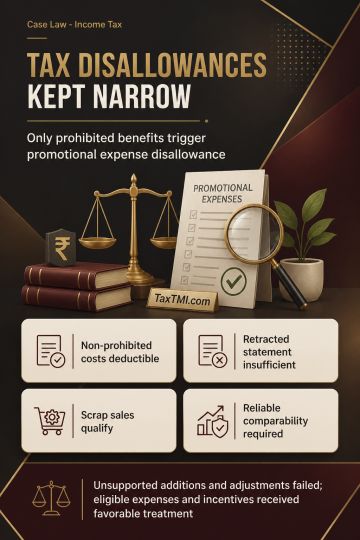
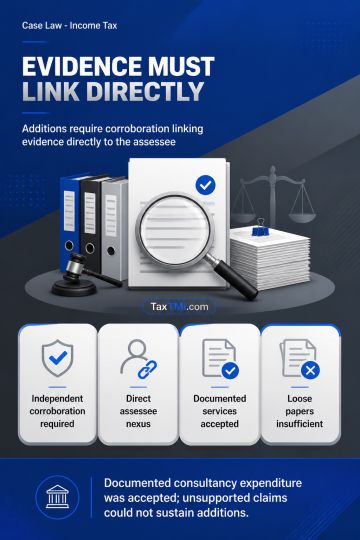
Pharmaceutical promotion and transfer-pricing comparability principles limited disallowances, while uncorroborated search allegations and unsupported ...
Business expenditure substantiation supports scrap credits, statutory payments and expense claims, while depreciation requires proof of actual busines...
The High Court dismissed the writ petition filed by the petitioner seeking permission to rectify/amend the GST number of the purchaser in GSTR-1 return after the expiration of the limitation period u/s 37(3) of the Central Goods and Services Tax Act, 2017. The Court held that if a person submits an erroneous GSTR-1 and does not correct it within the timeline, the subsequent GSTR-2A and GSTR-3B would also reflect the erroneous information, leading to cascading effects. The time limitation u/ss 37(1) and 37(3) is directly linked to Section 16(4), which allows input tax credit to be availed till the due date of furnishing the return u/s 39 for the month of September following the end of the financial year or furnishing of the annual return, whichever is earlier. The petitioner could not rectify the error beyond the statutory time limit prescribed under the GST Act.
The High Court dismissed the writ petition filed by the petitioner seeking permission to rectify/amend the GST number of the purchaser in GSTR-1 return after the expiration of the limitation period u/s 37(3) of the Central Goods and Services Tax Act, 2017. The Court held that if a person submits an erroneous GSTR-1 and does not correct it within the timeline, the subsequent GSTR-2A and GSTR-3B would also reflect the erroneous information, leading to cascading effects. The time limitation u/ss 37(1) and 37(3) is directly linked to Section 16(4), which allows input tax credit to be availed till the due date of furnishing the return u/s 39 for the month of September following the end of the financial year or furnishing of the annual return, whichever is earlier. The petitioner could not rectify the error beyond the statutory time limit prescribed under the GST Act.
Note: It is a system-generated summary and is for quick reference only.
 TaxTMI
 of 4792














 Join Channel


 TaxTMI