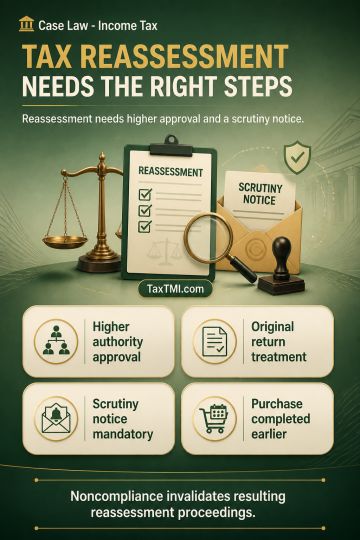
Opportunity to furnish unsecured-loan confirmations is required before reassessment initiation; proceedings require fresh consideration after taxpayer...
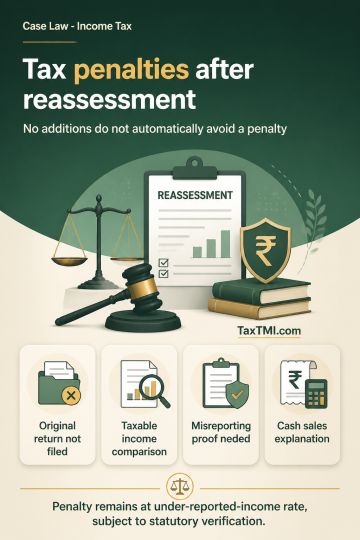
Under-reporting on a first reassessment return attracts penalty, while enhanced misreporting penalty requires proof of a statutory misreporting catego...
The High Court dismissed the writ petition filed by the petitioner challenging the Order-in-Original and held that the petitioner has an adequate and efficacious statutory remedy of appeal u/s 107 of the CGST/AGST Act, 2017 against the Order-in-Original. The Court observed that it does not generally entertain writ petitions in revenue matters where the petitioner has a statutory remedy available. The Court found that there was no total violation of principles of natural justice as the petitioner was provided an opportunity to respond to the show cause notice. The Court disposed of the writ petition, reserving the liberty to the petitioner to avail the statutory remedy of appeal.
The High Court dismissed the writ petition filed by the petitioner challenging the Order-in-Original and held that the petitioner has an adequate and efficacious statutory remedy of appeal u/s 107 of the CGST/AGST Act, 2017 against the Order-in-Original. The Court observed that it does not generally entertain writ petitions in revenue matters where the petitioner has a statutory remedy available. The Court found that there was no total violation of principles of natural justice as the petitioner was provided an opportunity to respond to the show cause notice. The Court disposed of the writ petition, reserving the liberty to the petitioner to avail the statutory remedy of appeal.
Note: It is a system-generated summary and is for quick reference only.
 TaxTMI
  TaxTMI
 of 4915