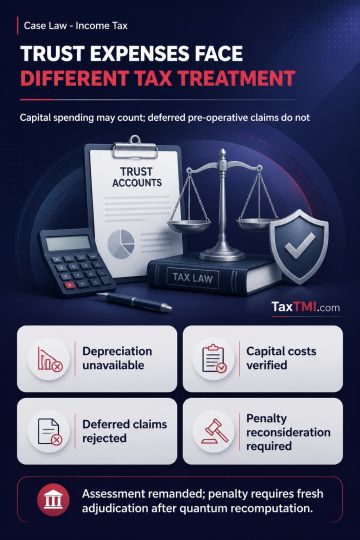
Charitable trust income application permits verified capital expenditure but rejects deferred pre-operative claims and requires reconsideration of con...
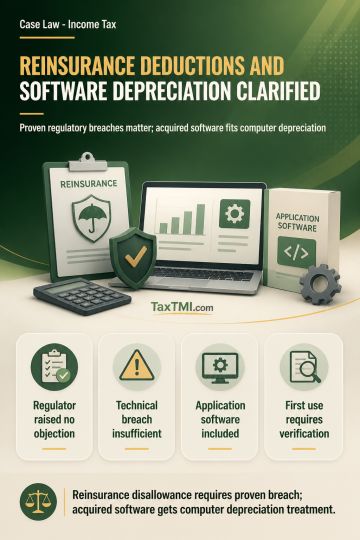
Reinsurance premium deductions require established regulatory breaches, while independently acquired software qualifies within the computer depreciati...
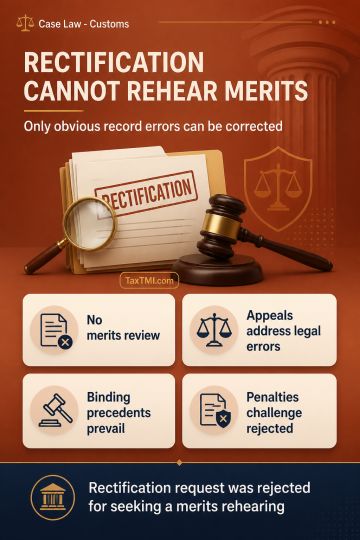
Rectification of mistake remains limited to self-evident record errors, preventing merits review through miscellaneous applications and preserving fin...
Tender creditworthiness conditions may extend to de facto Promoter Directors, with post-participation challenges generally barred absent arbitrariness...
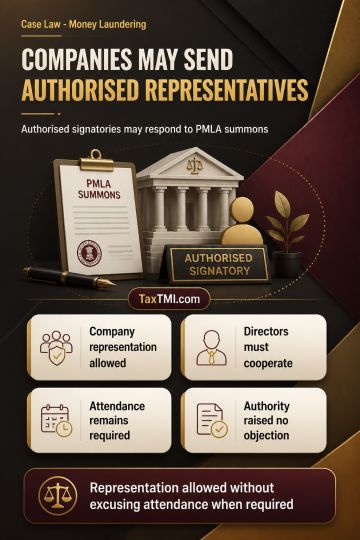
Corporate representation in PMLA summons proceedings permitted through an authorised signatory, subject to directors' continuing cooperation and atten...
The High Court's decision centers around the interpretation of Section 83 of the CGST/SGST Acts, which deals with provisional attachment orders. The key points are: Section 83(2) clearly states that a provisional attachment order will cease to have effect after one year from its issuance. Unlike the Income Tax Act, the GST Acts do not provide for extending this one-year period. The court held that accepting the Revenue's contention of issuing repeated attachment orders would violate the statute's language and legislative intent. The court relied on Supreme Court precedents like Radha Krishnan Industries and Vodafone International Holdings, which emphasize interpreting statutes based on their plain meaning and not supplying words or giving different meanings, even if it serves a larger public interest. Consequently, the court quashed the impugned attachment orders, declaring that Section 83 does not authorize fresh attachment orders after the one-year period specified in Section 83(2).
The High Court's decision centers around the interpretation of Section 83 of the CGST/SGST Acts, which deals with provisional attachment orders. The key points are: Section 83(2) clearly states that a provisional attachment order will cease to have effect after one year from its issuance. Unlike the Income Tax Act, the GST Acts do not provide for extending this one-year period. The court held that accepting the Revenue's contention of issuing repeated attachment orders would violate the statute's language and legislative intent. The court relied on Supreme Court precedents like Radha Krishnan Industries and Vodafone International Holdings, which emphasize interpreting statutes based on their plain meaning and not supplying words or giving different meanings, even if it serves a larger public interest. Consequently, the court quashed the impugned attachment orders, declaring that Section 83 does not authorize fresh attachment orders after the one-year period specified in Section 83(2).
Note: It is a system-generated summary and is for quick reference only.
 TaxTMI
 of 4805










 Join Channel


 TaxTMI
