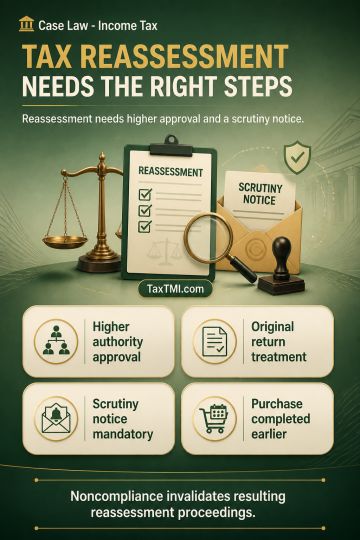
Opportunity to furnish unsecured-loan confirmations is required before reassessment initiation; proceedings require fresh consideration after taxpayer...
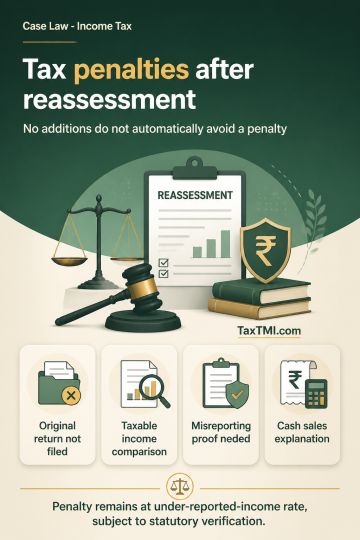
Under-reporting on a first reassessment return attracts penalty, while enhanced misreporting penalty requires proof of a statutory misreporting catego...
The summary focuses on the applicability of the principles of delay, laches, and limitation in proceedings before the Central Administrative Tribunal and the scope of judicial review by the High Court under Article 226 of the Constitution. The key points are: The principle of delay and laches applies to writ petitions under Article 226, but the period of limitation does not. The Administrative Tribunal Act, 1985 allows the Tribunal to condone delays based on sufficient cause, akin to Section 5 of the Limitation Act, 1963. The Tribunal erred in applying the principles of delay, laches, and limitation without examining the relevant dates and facts. The High Court set aside the Tribunal's order and remitted the matter for fresh adjudication after affording an opportunity of hearing to the parties.
The summary focuses on the applicability of the principles of delay, laches, and limitation in proceedings before the Central Administrative Tribunal and the scope of judicial review by the High Court under Article 226 of the Constitution. The key points are: The principle of delay and laches applies to writ petitions under Article 226, but the period of limitation does not. The Administrative Tribunal Act, 1985 allows the Tribunal to condone delays based on sufficient cause, akin to Section 5 of the Limitation Act, 1963. The Tribunal erred in applying the principles of delay, laches, and limitation without examining the relevant dates and facts. The High Court set aside the Tribunal's order and remitted the matter for fresh adjudication after affording an opportunity of hearing to the parties.
Note: It is a system-generated summary and is for quick reference only.
 TaxTMI
  TaxTMI
 of 4915