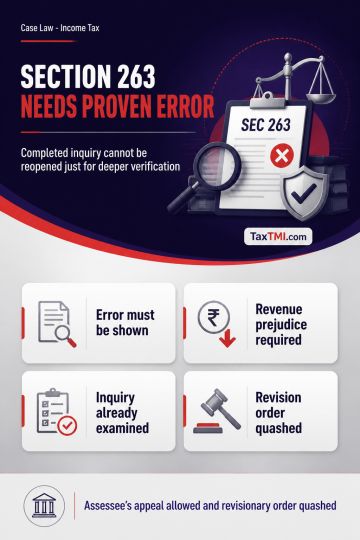
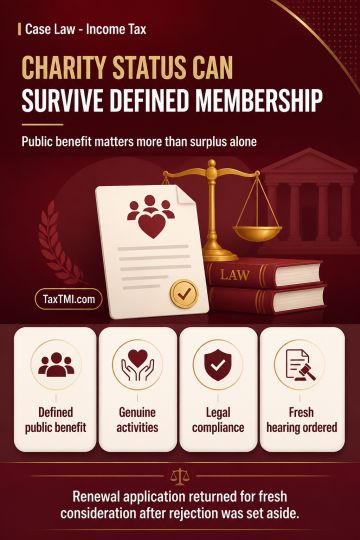
Defined public benefit can retain charitable character; registration renewal requires examining genuine activities and legal compliance, not surplus a...
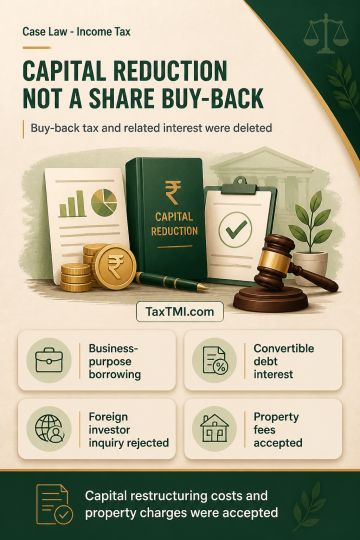
Capital reduction is distinct from share buy-back, preventing buy-back tax; restructuring interest and related business deductions also survive scruti...
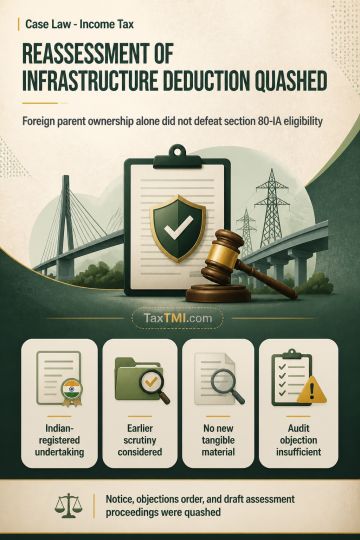
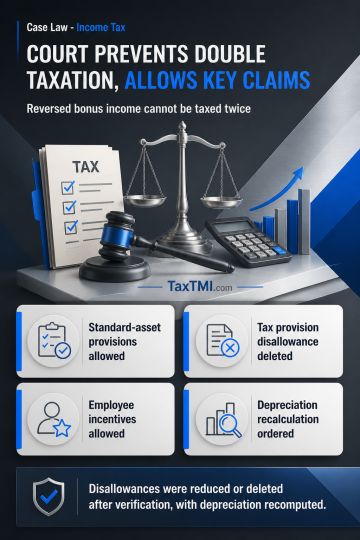
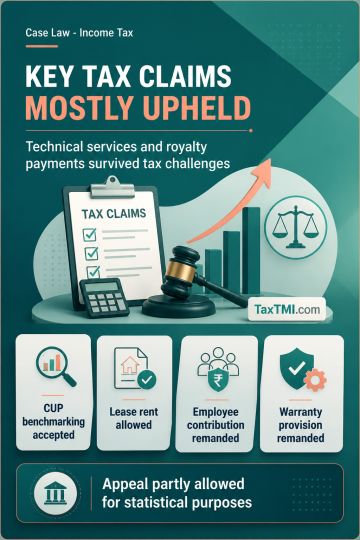
Transfer pricing and tax deductions upheld on established principles, while employee contributions and warranty provisions returned for fresh examinat...
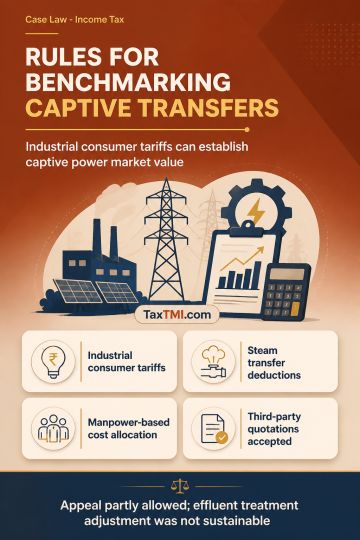
Captive transfer pricing relies on industrial consumer tariffs, while genuine quotations can benchmark effluent treatment transfers under the Other Me...
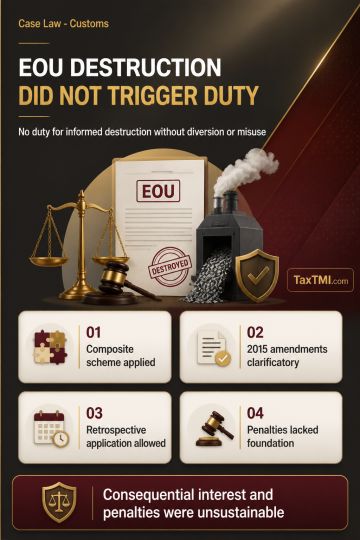
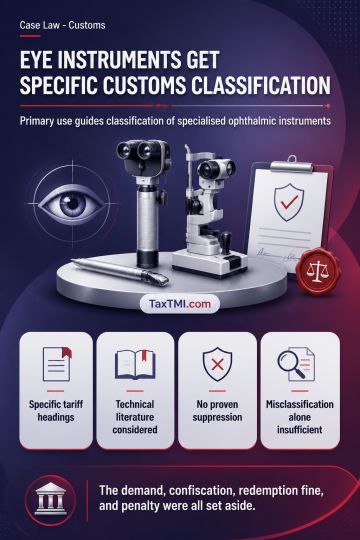
Specific tariff classification for ophthalmic instruments and extended limitation principles determine the treatment of duty demands, confiscation, an...
Applicability: The waiver provisions u/s 128A apply to cases involving tax demands u/s 73 for financial years 2017-18, 2018-19, and 2019-20, and cases involving erroneous refunds. To avail the waiver, the full tax amount demanded must be paid by the notified date, excluding amounts no longer payable due to retrospective amendments to Section 16(5) and 16(6). Procedure: Applications for waiver must be filed in prescribed forms, and proper officers will examine eligibility. Notices may be issued, and applicants can file replies. Orders approving or rejecting waiver applications will be issued, with deemed approval if no order is passed within the time limit. Appeals against rejection orders are allowed. Payments: Amounts paid towards the demand before the notified date, including by tax officers recovering from other persons, are considered payments for eligibility. Interest/penalty amounts cannot be adjusted against tax dues. Partial payments do not qualify for waiver. ITC can be utilized for payment, except for reverse charge/e-commerce operator liabilities and erroneous refund demands. Clarifications: The circular provides clarifications on various issues, including applicability to IGST/Cess demands, transitional credit demands, penalties under other provisions, import IGST.
Applicability: The waiver provisions u/s 128A apply to cases involving tax demands u/s 73 for financial years 2017-18, 2018-19, and 2019-20, and cases involving erroneous refunds. To avail the waiver, the full tax amount demanded must be paid by the notified date, excluding amounts no longer payable due to retrospective amendments to Section 16(5) and 16(6). Procedure: Applications for waiver must be filed in prescribed forms, and proper officers will examine eligibility. Notices may be issued, and applicants can file replies. Orders approving or rejecting waiver applications will be issued, with deemed approval if no order is passed within the time limit. Appeals against rejection orders are allowed. Payments: Amounts paid towards the demand before the notified date, including by tax officers recovering from other persons, are considered payments for eligibility. Interest/penalty amounts cannot be adjusted against tax dues. Partial payments do not qualify for waiver. ITC can be utilized for payment, except for reverse charge/e-commerce operator liabilities and erroneous refund demands. Clarifications: The circular provides clarifications on various issues, including applicability to IGST/Cess demands, transitional credit demands, penalties under other provisions, import IGST.
Note: It is a system-generated summary and is for quick reference only.
 TaxTMI
 of 4805



 Join Channel


 TaxTMI